 800-861-9372

Repairing abandoned houses on a city block correlated with fewer fatal opioid overdose deaths in one Philadelphia neighborhood, according to a study. Even though states like Pennsylvania have many outstanding treatment options and local community groups like Narcotics Anonymous, these findings go beyond the usual set of responses to the opioid crisis However, researchers are …
Abandoned House Repairs Tied to 17.6% Drop in Opioid Deaths
Get Help Now 800-934-1582
 Sponsored
Sponsored
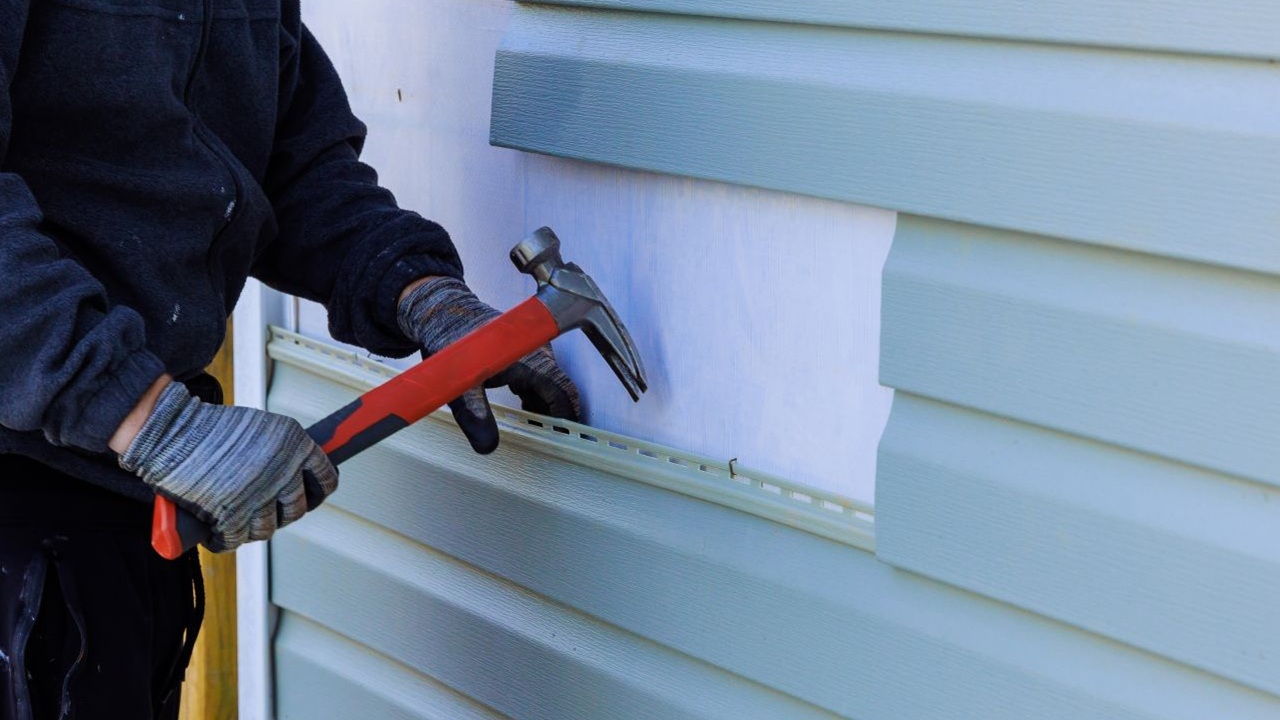
Repairing abandoned houses on a city block correlated with fewer fatal opioid overdose deaths in one Philadelphia neighborhood, according to a study. Even though states like Pennsylvania have many outstanding treatment options and local community groups like Narcotics Anonymous, these findings go beyond the usual set of responses to the opioid crisis
However, researchers are careful about how far they push these results. The study was led by Dr. Eugenia C. South of the University of Pennsylvania.
The Philadelphia Study
Researchers looked at 1,667 blocks in Kensington, a Philadelphia neighborhood that has carried some of the heaviest overdose burdens in the country. The team focused on the community between 2019 and 2021. During that window, 662 blocks, about 37%, received at least one of three interventions: community trash pickup, vacant lot cleanup, or abandoned house repairs.
Taken together, those interventions correlated with a 6.6% reduction in fatal opioid overdoses. There was no measurable association with nonfatal overdoses.
Broken out individually, the picture changed. Repaired abandoned homes linked to a 17.6% decrease in fatal opioid overdoses and an 11.5% drop in nonfatal ones. Community trash pickup showed no association with either. Vacant lot cleanup showed no association with fatal overdoses but had an 11.7% increase in nonfatal overdoses.
One Intervention Went the Other Way
The vacant lot result stands out, and the researchers offered a plausible explanation. Clearing a lot may have produced a cleaner, more usable space, including for people using drugs there. They suggest that more consistent maintenance, rather than a one-time cleanup, might determine whether the effect goes one direction or the other.
That distinction matters for cities weighing where to put limited money. As Philadelphia’s overdose death rates decline overall, boarding up and repairing a derelict house removes an enclosed, hidden place to use alone. Clearing a lot does not.
Study Limitations
This was a nonrandomized trial, which means the researchers didn’t randomly choose the blocks that received interventions. The associations the researchers found aren’t proof that the repairs caused the change in overdose rates, and the authors present them as associations rather than as causal effects.
The study also covered one urban neighborhood, so the results may not carry over to rural areas that tend to lack resources. The authors note that Kensington residents are primarily White and Hispanic or Latino, which means the study doesn’t speak to the rising rates of fatal and nonfatal overdose among Black residents or other racial disparities locally or nationally.
The Opioid Crisis & Treatment Options
Opioids are a class of drugs that includes prescription pain medications and synthetic variants like fentanyl. Fentanyl is far deadlier than heroin. Since it’s often mixed into other drugs without the person knowing, folks can take a fatal dose without intending to use an opioid at all.
An opioid overdose slows and eventually stops breathing. Naloxone, sold under brand names including Narcan, reverses that effect to restore breathing within minutes. It’s available without a prescription in every state and works only on opioids, though giving it during any suspected overdose is the right call.
The researchers argue that neighborhood repair belongs alongside the interventions already known to save lives, not in place of them. Medications for opioid use disorder, including methadone, buprenorphine, and naltrexone, have the strongest evidence base for reducing overdose death. Naloxone distribution, fentanyl test strips, and syringe services reduce harm for people who are still using.
Peer support has its own role. Narcotics Anonymous meetings are free, run daily in most cities, and require no insurance or referral to attend. NA and medication treatment don’t compete and many people use both.
NA Still a Good Start to Battle Opioid Addiction
For those looking for a place to start, our online directory offers NA meetings by state and city, including online and Spanish-language meetings.
You can also dial 800-934-1582(Sponsored) and discuss opioid treatment programs that offer methadone or buprenorphine.
the Take-Away