 800-861-9372
Commonly prescribed opioid painkiller use may be linked to several cancers, including bladder cancer, according to a large new study. Mahdi Sheikh of the International Agency for Research on Cancer led a research team that found a potential new dimension to long-standing concerns about opioid use. Using data from the UK Biobank, Sheikh’s researchers learned …
Opioid Use Linked to Bladder and Other Cancers in Study
Get Help Now 800-934-1582
 Sponsored
Sponsored
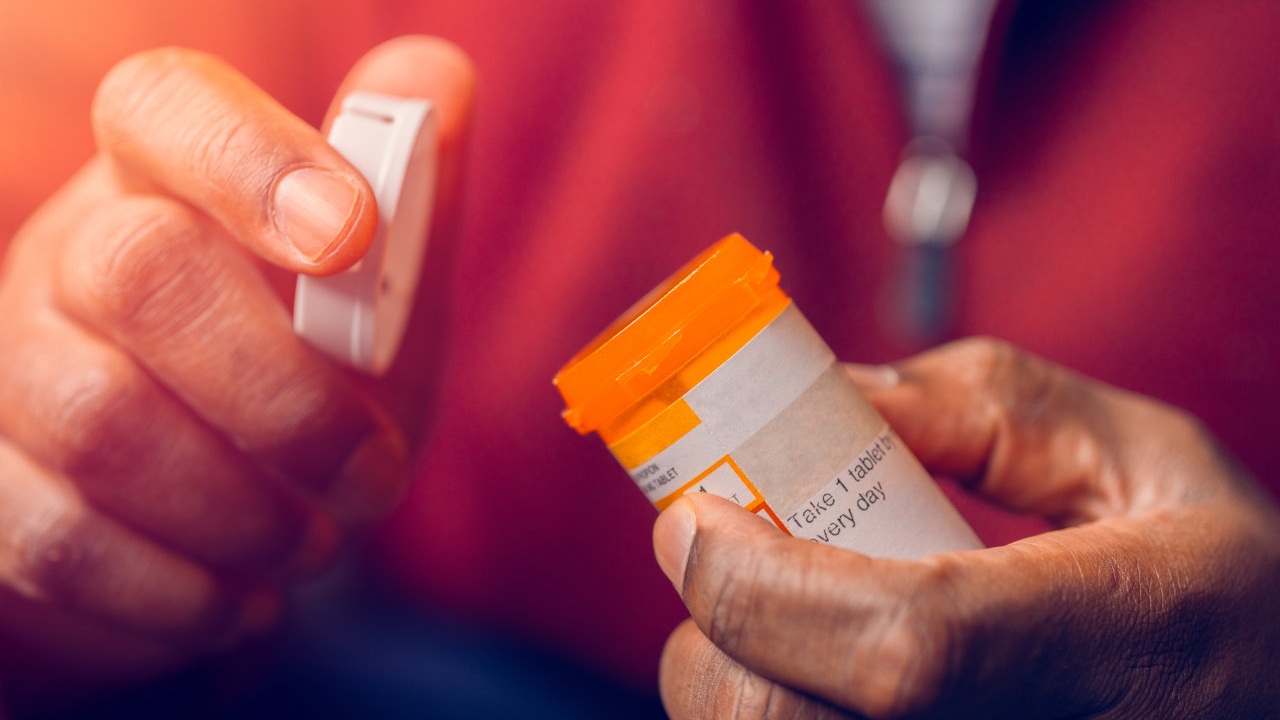
Commonly prescribed opioid painkiller use may be linked to several cancers, including bladder cancer, according to a large new study. Mahdi Sheikh of the International Agency for Research on Cancer led a research team that found a potential new dimension to long-standing concerns about opioid use.
Using data from the UK Biobank, Sheikh’s researchers learned that people taking strong opioids such as morphine had a 90% higher cancer risk than people not taking them, while weaker opioids like codeine were tied to a 30% increase.
Cancers Linked to Opioids
The research connected opioid use to five cancer types: bladder, lung, pancreatic, esophageal, and head and neck. These cancers have a long association with opium, the poppy-derived drug that has several street names. The World Health Organization classified opium as carcinogenic in 2020.
The link had specific components. The study didn’t associate opioids with cancers such as breast or prostate, and other painkillers like acetaminophen showed no effect on cancer risk at all. That pattern mirrored the cancers tied to opium and partly made the findings notable to Sheikh’s team.
Findings & Implications
The results show an association, not proof of cause. People who take opioids often have other health conditions, so researchers can’t yet say the medications alone are responsible for the added risk.
Sheikh stressed that the findings shouldn’t scare people away from opioids when they genuinely need these drugs. These medications remain essential because they work to reduce severe pain and appear on the World Health Organization’s list of essential medicines. Many folks also use opioids in substitution therapy to cope with opioid use disorders. His takeaway emphasized that these medications shouldn’t be used without clinical necessity.
An independent expert who reviewed the work, Faraz Bishehsari of the University of Texas Health Science Center at Houston, called the study well-executed. He did note the complexity of the opioid-cancer relationship, which varies by cancer type, exposure and biology.
Opioids and Addiction Treatment
Opioids include prescription medications as well as dangerous drugs like fentanyl. They relieve pain by binding to opioid receptors in the brain, and that same action can produce dependence and, over time, opioid addiction.
Warning signs of opioid abuse include taking more than prescribed, using the drug to cope with stress rather than pain, failed attempts to cut back, and continued use despite harm to health, work, or relationships. Authorities have warned that the illicit synthetic drug supply is increasingly contaminated with fentanyl, and the risk of fatal overdose has climbed sharply.
- Naloxone, branded as Narcan, can reverse an opioid overdose within minutes. The public can increasingly buy Narcan without a prescription at pharmacies and through community distribution programs. Fentanyl test strips also help people check a drug supply for contamination.
- For treating opioid use disorder, medication-assisted treatment (MAT) with methadone, buprenorphine, or naltrexone reduces cravings and withdrawals. Clinicians typically pair MAT with counseling and peer support.
- Narcotics Anonymous offers free, widely available peer recovery meetings for people working to stop drug use, and many people use NA alongside medication and professional treatment rather than as a replacement for them.
Signing Up for NA
If prescription opioids or other drugs have become hard to control, you have options. If you’re on the fence about NA meetings, including in-person, virtual, and Spanish-language formats. You can also ask about MAT and detox programs in any area.
Find NA meetings in your area, learn how naloxone works, or call 800-934-1582(Sponsored) to speak with an expert. Or browse our directory to find NA chapters anywhere in the country.
the Take-Away