 800-861-9372
The opioid crisis continues to leave a long trail, and some of the people carrying its weight are grandparents. As opioid addiction has pulled parents out of children’s lives through death or active substance use, older relatives have stepped in to raise the next generation. Now a handful of states plan to use opioid settlement …
Opioid Settlement Funds Could Aid Grandparents Raising Kids
Get Help Now 800-934-1582
 Sponsored
Sponsored
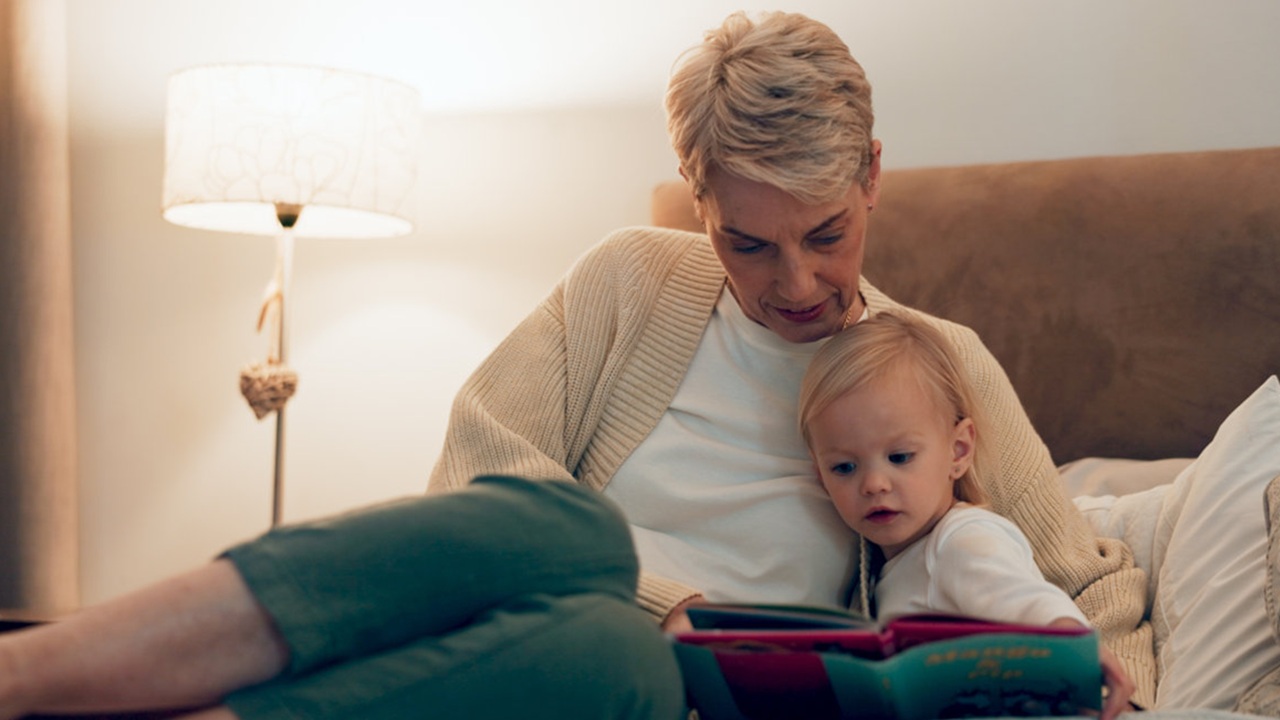
The opioid crisis continues to leave a long trail, and some of the people carrying its weight are grandparents. As opioid addiction has pulled parents out of children’s lives through death or active substance use, older relatives have stepped in to raise the next generation. Now a handful of states plan to use opioid settlement funds to aid them.
About 300,000 grandparents across the United States are raising their grandchildren, a role that saves the child welfare system an estimated $10.5 billion a year. from 2011 to 2021, an estimated 321,500 kids in the U.S. lost at least one parent to a drug overdose.
Overdose deaths remain widespread but the death toll has eased since 2023. Roughly 70,000 Americans died of drug overdoses in 2025, down 14% from the previous year. Nevertheless, behind each death is a victim and the family members left behind to fill a hole in their lives.
The Settlement Money
The money set aside to address opioid addiction comes from companies tied to the crisis. In 2022, the three largest pharmaceutical distributors, Cardinal, McKesson and AmerisourceBergen, along with manufacturer Johnson & Johnson, settled for $26 billion.
In May 2026, Purdue Pharma and its owners, the Sackler family, settled for an additional $7.4 billion. States like Iowa are now deciding how to spend their shares, often through advisory boards that fund prevention, treatment, recovery and harm reduction.
States’ Responses
Advocates say grandfamilies have largely been left out of those spending decisions, and a few states are starting to change that. Some cities have spearheaded the effort. In Boston, officials are distributing up to $5,000 to families that lost a relative to opioid overdose.
Other states have broader programs. In the south, Alabama launched a pilot offering one-time grants up to $2,000, or $500 per grandchild, across 15 counties. Georgia’s share is $636 million over 18 years, and Illinois expects $1.4 billion by 2038, though neither state has a formal process to direct money to grandfamilies.
New Mexico exempts grandparents with legal custody from some childcare work requirements. Pennsylvania lawmakers introduced a bill to create a Grand-family Assistance Program Fund.
Some programs are still in development. In Ohio, a coalition’s proposal to fund a family emergency fund was denied. However, advocates plan to press on to assist vulnerable community members and their families.
Opioids and Overcoming Overdose
Opioids include prescription painkillers and other narcotics, some of them illicitly manufactured. Fentanyl remains especially far more potent than other opioids, which is part of why overdoses can happen so fast.
Naloxone, the reversal medication known as Narcan, can restore breathing during an opioid overdose and has no effect on someone without opioids in their system. Recognizing an overdose and carrying naloxone are simple life-saving steps for any family touched by opioid addiction.
Recovery looks different for different people. Options include medications for opioid use disorder, counseling, peer support, and mutual-aid groups such as Narcotics Anonymous. These paths can work together.
For instance, family support also means caring for children who’ve lived through loss and instability. At times, loved ones need extra trauma-informed mental health care to cope with their losses.
Starting NA to Fight Opioid Addiction
If you or someone you love deals with opioid addiction, help is available.
One of the easiest steps is to sign up at your local Narcotics Anonymous chapter. These programs offer free and confidential fellowship, with specialized groups conducted online, in Spanish or other languages, or with those who share your background.
Getting started consists of simply dialing 800-934-1582(Sponsored) to speak with an expert. Or, browse our directory to find a meeting anywhere in the United States.
the Take-Away