 800-861-9372

Massachusetts recorded fewer opioid addiction deaths in 2025 than at any point in more than a decade. This milestone offers genuine hope even as the crisis continues to claim hundreds of lives across the state and nation. The Bay State has a proud history that extends beyond the founding of the country. Residents ban together …
Opioid Deaths in Massachusetts Drop Below 1000 for First Time Since 2013
Get Help Now 800-934-1582
 Sponsored
Sponsored
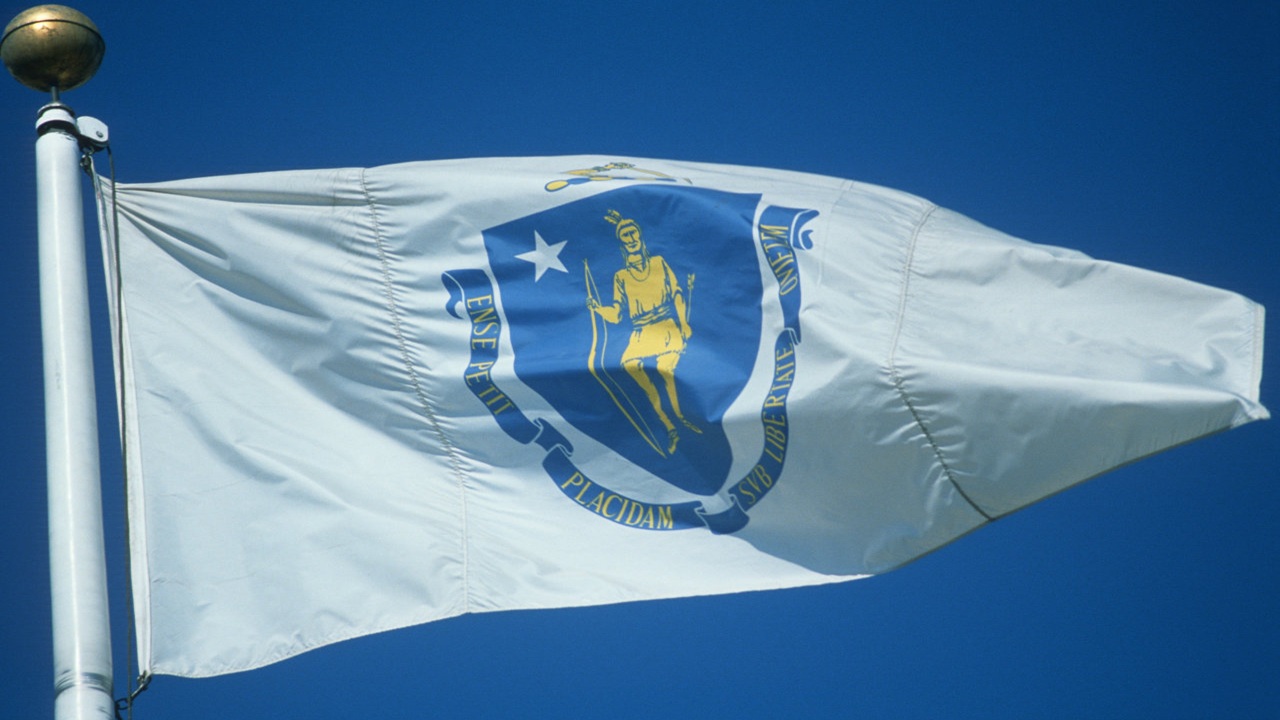
Massachusetts recorded fewer opioid addiction deaths in 2025 than at any point in more than a decade. This milestone offers genuine hope even as the crisis continues to claim hundreds of lives across the state and nation.
The Bay State has a proud history that extends beyond the founding of the country. Residents ban together for community support, either through Narcotics Anonymous meetings, primary care initiatives, or more formal inpatient care. Together, these integrated approaches drove the overdose fatalities downward.
State officials confirmed 978 opioid-related overdose deaths in 2025. It’s a nearly 27% decrease from the 1,336 deaths recorded in 2024, which itself had seen a significant drop. State officials say the trend mirrors what is happening nationally.
The Opioid Crisis in Massachusetts
The scale of this improvement only makes sense against the backdrop of how bad things got. Overdose deaths took 2,000+ lives each year in Massachusetts between 2016 and 2023, with a record high of 2,364 in 2022. The last time the state recorded fewer than 1,000 opioid overdose fatalities was 2013, when 992 people died.
That means for nearly a decade straight, Massachusetts families lost more than 1,000 people per year to opioid addiction and overdose. The 2025 figure represents a genuine turning point, though state officials carefully keep the context clear.
The 27% decrease “reflects the impact of sustained investments in prevention, harm reduction, treatment, and recovery support,” noted Deirdre Calvert, director of DPH’s Bureau of Substance Addiction Services. But “we must never lose sight of the fact that behind every data point is a person.”
Driving the Opioid Decline
State health officials have identified several overlapping factors. In its analysis of 2024 overdose data, DPH noted a potentially safer street drug supply, fewer people at risk of overdose, and expanded overdose prevention resources and services.
Harm reduction has grown. A 2024 Massachusetts law broadened access to naloxone, established liability protections for organizations offering drug checking services, and created licensure for recovery coaches. These measures put naloxone (brand name Narcan) in more hands and is the kind of community-level intervention that saves lives.
Fentanyl and Xylazine in the Drug Supply
The opioid epidemic in Massachusetts, like the rest of the country, has been shaped heavily by fentanyl. Overdose deaths rose before 2022 due to stronger fentanyl concentrations seeping into the drug supply. Fentanyl is a synthetic opioid deadlier than heroin and has largely displaced heroin in the illicit drug market, dramatically raising overdose risk.
A newer variable is xylazine, a veterinary sedative now frequently mixed into the street supply in Massachusetts. One thought is that xylazine actually reduces fatal overdose risk by extending the duration of sedation after use, which decreases total use events or prompts suppliers to reduce fentanyl content in their product. However, xylazine carries its own serious risks, including severe skin wounds, and it doesn’t respond to naloxone.
Opioid Addiction Treatment & Harm Reduction
For people currently living with opioid addiction or narcotic dependence, the data behind this decline points toward what works.
- Naloxone/Narcan access is foundational. This overdose-reversal medication can be administered by anyone and is now available at many pharmacies without a prescription in Massachusetts.
- Medication-assisted treatment (MAT) remains the evidence-based standard of care for opioid use disorder. MAT reduces cravings, prevents withdrawal, and significantly lowers overdose mortality.
- Peer recovery support is also gaining formal recognition. The 2024 law establishing licensure for recovery coaches reflects growing understanding that lived experience matters in opioid addiction recovery.
NA Meetings in Massachusetts and Finding Help
Narcotics Anonymous meetings offer free, peer-led recovery support for people with opioid addiction and other narcotic dependence. NA meetings are held throughout Massachusetts seven days a week.
But it’s not just in Massachusetts. Across the U.S., health officials emphasize that providing access to housing, harm reduction and supportive peer communities has proven to prevent overdose. NA meetings make up a core part of that peer support framework.
Don’t delay; start today. Check out our directory for NA meetings anywhere in the country or call 800-934-1582(Sponsored) to speak with an expert.
the Take-Away