 800-861-9372

Trending Topics
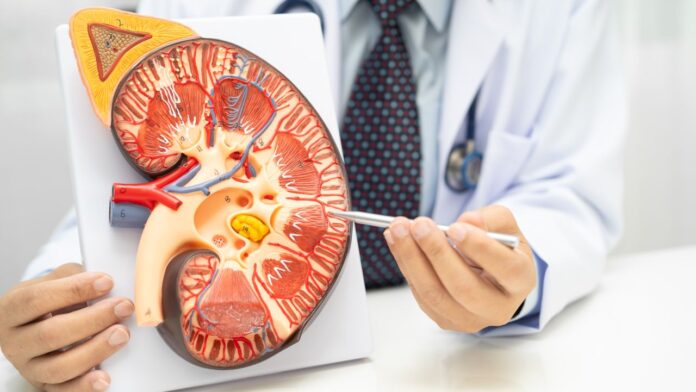
CDC Finds Kidney Injury in One Third of Overdose Hospitalizations
The Drug Enforcement Administration classifies the most dangerous drugs in their estimation as Schedule I drugs. These drugs have no medical use and are highly addictive. They are highly likely to be abused by people. They also have the potential to severely damage the mind and body of those that use them. There are also …



 Sponsored
Latest News

How is Fentanyl Addiction Treated?
Like most other opioid use disorders, fentanyl addiction is commonly treated with a combination of medications and behavioral therapies.
Read More
When is a Drug Intervention Specialist Necessary If a Loved One Has Opiate Addiction?
In certain cases of severe addiction or damaged family ties, an intervention specialist may be necessary in order for the meeting to be effective.
Read More
Marijuana Abuse, Mental Illness and the Need for Treatment Help
People with mental illnesses are more likely to engage in marijuana abuse, and using this drug can also exacerbate or even trigger the development of a mental disorder.
Read More
Which Narcotics Are the Most Addictive?
Factors that contribute to how addictive a narcotic is include the availability of the drug and frequency of use.
Read More
Can I Use Narcotics Recreationally Without Needing Treatment?
Using narcotics recreationally on a regular basis will likely lead to dependence or addiction, however certain factors can make this outcome even more probable.
Read More
Will I Become Addicted to My Narcotic Prescription?
Taking your narcotic prescription as directed by your doctor, and communicating any odd side effects or concerns will help you avoid abuse and addiction.
Read More
Do Different Narcotic Addictions Require Different Treatments?
Different narcotic addictions are often treated in the same way, with a combination of medication and behavioral therapy. The difference in treatment is based on the individual’s needs, rather than the drug of abuse.
Read More
Opiate Overdose Risks & the Dangers of Not Getting Needed Treatment Help
Factors such as withdrawal symptoms and tolerance level increases contribute to one’s opiate overdose risk. Without treatment help, someone who abuses narcotics will likely overdose at some point.
Read More
How to Tell If a Loved One Has a Heroin Abuse Problem
When someone abuses heroin, you’ll notice significant physical and behavioral changes that can indicate a developing problem.
Read More