 800-861-9372

The $315 million CVS opioid settlement announced October 13 led to a new company proposal to block suspicious prescribers at the pharmacy counter. That can certainly reduce the number of opioids prescribed. But researcher Alex Smolak poses one question. If CVS refuses a prescriber, a legit patient might be further hurt. Settlement Requirements The agreement …
New CVS Rules May Affect Patients Prescribed Opioids
Get Help Now 800-934-1582
 Sponsored
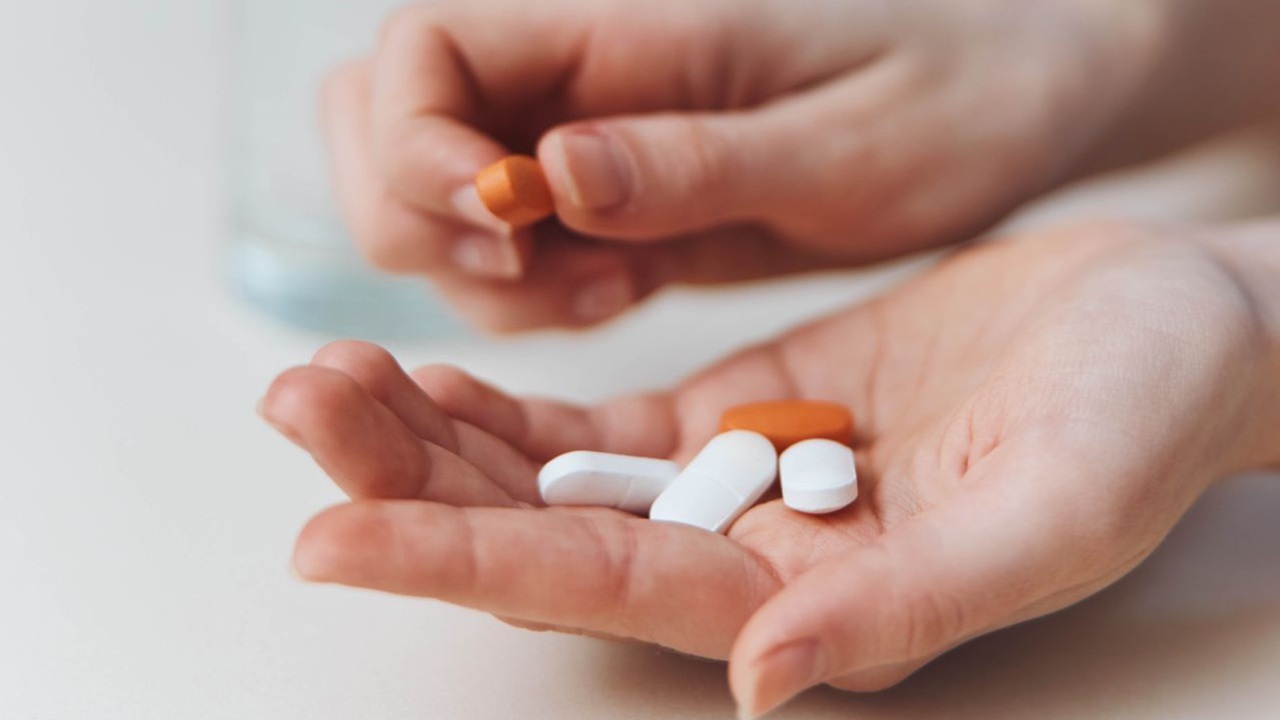
The $315 million CVS opioid settlement announced October 13 led to a new company proposal to block suspicious prescribers at the pharmacy counter. That can certainly reduce the number of opioids prescribed. But researcher Alex Smolak poses one question. If CVS refuses a prescriber, a legit patient might be further hurt.
Settlement Requirements
The agreement comes from continued federal allegations concerning unlawful dispensing and false claims. These settlements don’t require an admission of liability.
A Drug Enforcement Administration memorandum requires CVS to block controlled-substance prescriptions from prescribers whose registration or license are suspended or revoked. The company can also take action if concerns remain unresolved after review. It requires reporting of blocked prescribers, but no assessment of patients’ needs to manage conditions like pain.
The Transition Impacts Patients
Patients with prescriptions from the same clinician differ in conditions and access to alternative care. Some benefit from this new policy but many others need reassessment or treatment.
Just stopping opioids is risky. The FDA warns against withdrawal nd pain and suicide following abrupt discontinuation among physically dependent patients. The CDC cautions against rigid restrictions and patient abandonment. In fact, tapering stable higher-dose opioid patients correlated with increased rates of overdose and mental health crises.
Smolak proposes independent evaluations connecting block dates with medical claims. The goal isn’t to block patients but to transition them to appropriate care.
Those with Addiction Risk
A patient whose legitimate supply is cut off faces several possible paths. They can try to find a new prescriber, manage withdrawal or turn to unregulated sources. That last option touches on public health concerns because tolerance drops quickly during interruption and the street trade is dominated by fentanyl.
People with opioid addictions alongside chronic pain may end up overdosing because the pharmacy that had guided their dosing is no longer on their side. It’s a two-edged sword with patients caught in the middle.
Dependence Versus Addiction
Physical dependence can develop even when prescribing is legitimate. However, dependence is distinct from opioid addiction, which involves compulsive use despite harm. Both require careful management.
Medication-assisted treatment can help the transition into recovery. Peer support through Narcotics Anonymous provides a free and ongoing community.
NA & Peer Support Still Top Options
NA remains a solid bedrock for those folks who need a shoulder to cry on and someone who’ll listen and understand. Having a peer at your side can help you through bad days.
Getting started is made simpler with our browsable directory that lists chapters by location throughout the country.
You can also dial 800-934-1582(Sponsored) to speak with experts about local opioid addiction treatment options.
the Take-Away