 800-861-9372

For someone leaving an emergency room in withdrawal, the days before their next opioid addiction treatment appointment are often the most dangerous. Now, a Missouri hospital system says closing that gap has nearly tripled patient engagement. The Show-Me State has long featured many programs for substance misuse, including local Narcotics Anonymous chapters, and these expanded …
Missouri Hospital Speeds Opioid Treatment After ER Visits
Get Help Now 800-934-1582
 Sponsored
Sponsored
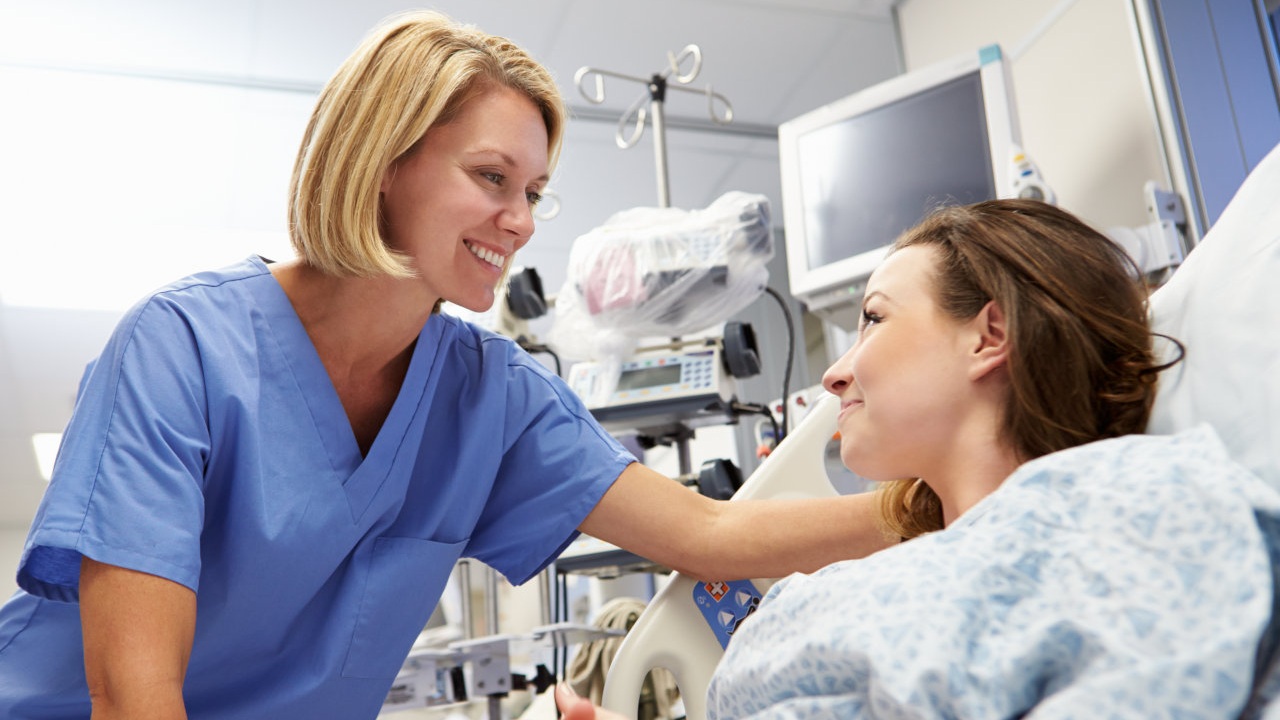
For someone leaving an emergency room in withdrawal, the days before their next opioid addiction treatment appointment are often the most dangerous. Now, a Missouri hospital system says closing that gap has nearly tripled patient engagement. The Show-Me State has long featured many programs for substance misuse, including local Narcotics Anonymous chapters, and these expanded programs show residents and loved ones that help is always standing by.
Mercy Hospital Lebanon, in rural Missouri, is piloting a program that pairs emergency department patients who have opioid use disorder with a three-day supply of medication and a guaranteed virtual addiction specialist appointment within 72 hours of discharge. The hospital partnered with the Virtual Substance Use Recovery Program to build the model after staff noticed patients leaving the ER with few local options.
Opioids in Missouri
According to the CDC, 217 people died each day from opioid overdoses in the United States in 2023, with death rates running higher in rural areas. Jen Speer, Executive Director of Operations for Mercy Hospital Lebanon and Rolla, observed that visible gap firsthand. When ER discharges patients after delivering care for an overdose, “there are not a lot of resources in our community,” Speer relayed. “There may be one or two, but these patients are coming in the middle of the night, and so we were looking at how to create something that can help fill the gaps.”
Hospital officials said the highest-risk window is the first 72 hours after discharge, when a patient may be in active withdrawal while waiting up to weeks for an appointment with a psychiatrist or addiction specialist. That delay raises the chances of relapse and a return trip to the emergency room. Funding cuts also worsen the situation by reducing public services, such as naloxone distribution.
The pilot addresses the gap directly. Patients leave with three days of medication to manage withdrawal, then connect with an addiction specialist by video within those 72 hours, rather than being handed a list of phone numbers to call on their own.
Opioids & Harm Reduction
The broader picture shows how greater engagement is needed. Opioid use disorder is a chronic condition in which a person continues using opioids despite harmful consequences. Withdrawal can begin within hours of a person’s last dose and includes symptoms such as nausea, muscle pain, anxiety, and intense cravings. That’s partly why the first days after leaving a hospital or detox program carry such high relapse risk.
In the six months since launch, Mercy reported a 32% conversion rate from ER discharge into ongoing addiction treatment, compared with an average of 10-15% typically seen for opioid use disorder engagement. Patients who connect with an addiction specialist through the program stay engaged for around 230 days. The program is now available beyond the original Lebanon site, with access through Mercy hospitals in Aurora, Cassville and Carthage.
Models like Mercy’s underscore a broader harm reduction principle. The period right after a hospital discharge or overdose reversal is a critical window for preventing another overdose. Here are two common options:
Medication-assisted buprenorphine and methadone can be started or continued through many primary care and addiction medicine providers regardless of whether a hospital has a formal bridge program in place.
Also known as Narcan, naloxone can reverse an opioid overdose in progress and is usually available without a prescription. Family members and friends of someone with opioid use disorder should keep naloxone on hand and know the signs of an overdose, including slowed or stopped breathing, blue-tinted lips, and unresponsiveness.
NA: The First Step
People in Missouri or elsewhere leaving a hospital or detox program in withdrawal don’t have to wait for a model like this to reach their area. NA meetings offer free peer support the same day, and the fellowship lasts a lifetime.
Call 800-934-1582(Sponsored) to chat with an expert for opioid addiction treatment options, or find an NA meeting anywhere in the country through our searchable directory.
the Take-Away