 800-861-9372

In 1970 the US government came up with a system of classifying drugs based on things like their potential to cause harm.
Understanding the Drug Schedules Classifications
Get Help Now 800-934-1582
 Sponsored
Sponsored
Addictive drugs have been around a lot longer than the laws that currently regulate them. It wasn’t until 1970 that the U.S. government passed legislation specifically designed to regulate commonly known drugs of abuse. That year, the Comprehensive Drug Abuse Prevention and Control Act was enacted.
This act categorized drugs that had the potential for abuse as controlled substances. It also dictated who could gain authorization to manufacture, import, possess and distribute those substances.
This is what led to the drug schedule classifications we use today. These are categories of drugs based on their potential for abuse and addiction. Anyone caught violating any part of the law is subject to certain federal and/or state penalties.
Drug Schedules
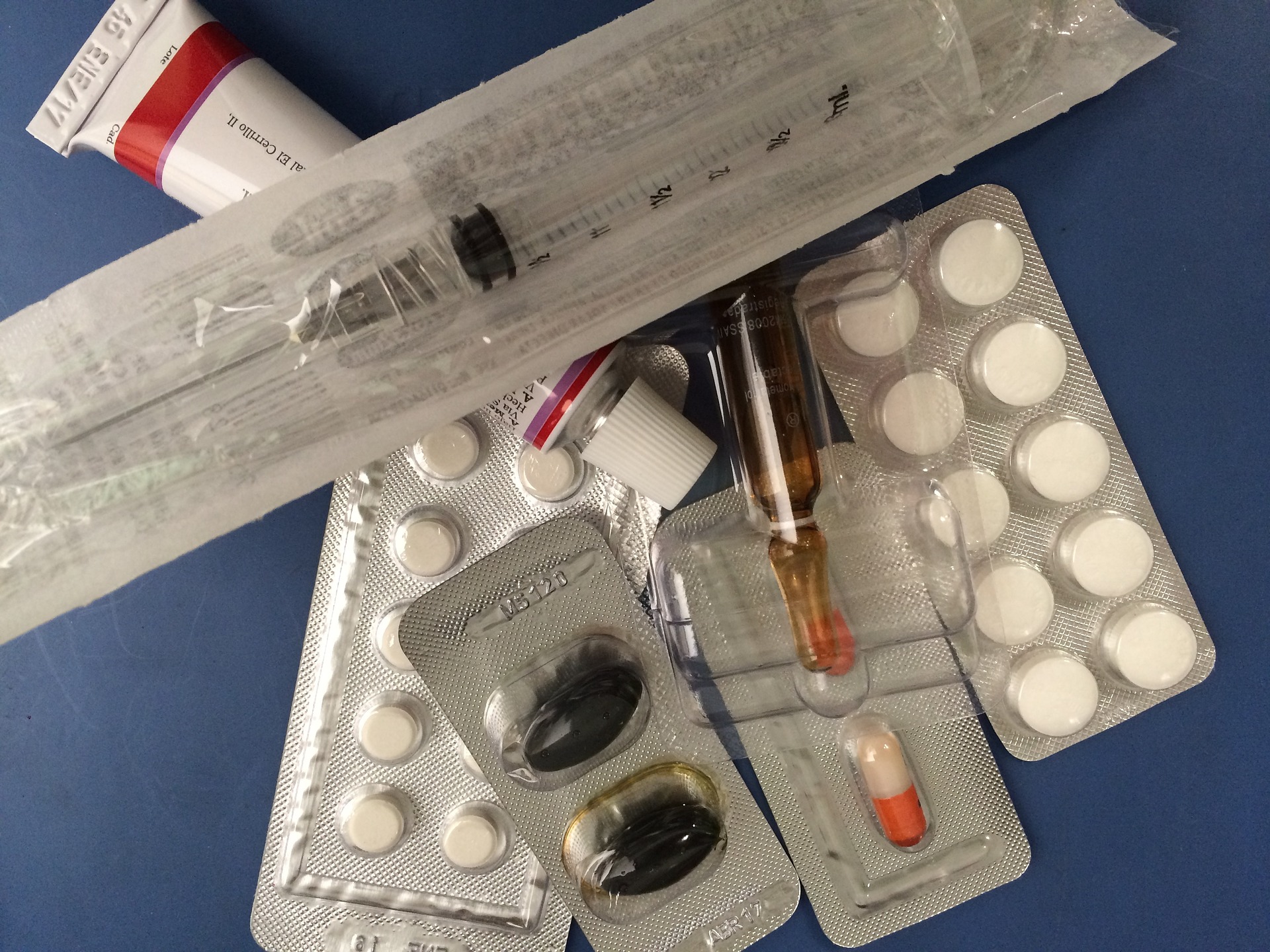
Using a classification system helps in many ways.
Addictive substances come in both legal and illegal forms. In either case, each drug is assigned to one of five different classes based on its potential for abuse or dependency.
The drug schedule classifications follow this format:
- Schedule I: Drugs in this class have no known medical purpose and their damaging effects far exceed any possible medicinal benefits.
- Schedule II: Drugs in this class are used for medicinal purposes but still carry a high risk for abuse and dependency.
- Schedule III: Drugs in this class are used for medicinal purposes and carry a moderate risk of abuse and dependency.
- Schedule IV: Drugs in this class are used for medicinal purposes and carry a low risk for abuse and dependency.
- Schedule V: Drugs in this class are used for medicinal purposes and carry a minimal risk for abuse and dependency.
Drug Types
By far, the most dangerous drugs of all fall under Schedule I. These drugs not only pose a high risk for physical dependency, but also psychological dependency, which is where the addiction risk lies. Drug schedules include the following drugs under Schedule I:
- Heroin
- Ecstasy
- Peyote
- LSD
Almost all Schedule II drugs are used for medicinal purposes, so drugs appearing in this category mainly include prescription-type medications. Drug schedules include the following medications and drugs under Schedule II:

Methadone Street Names & The Dangers of Getting Methadone Outside of a Clinic
Methadone dosage guidelines are important to follow, as taking too much of the drug is easy to do and very dangerous. Buying it on the street makes you more at risk of overdose.Most Schedule III drugs have a combination of ingredients. Some are addictive and some are not. Drug schedules include the following combination drugs under Schedule III:
- Hydrocodone
- Codeine
Combined with:
- Acetaminophen
- Ibuprofen
- Aspirin
Drug schedules for Schedule IV medications include the following:
- Halcion
- Xanax
- Klonopin
- Valium
Schedule V medications include mainly cough suppressant products that contain limited amounts of codeine.
Penalties
Drug violations often come with stiff penalties depending on where the offense takes place. In general, penalty charges may include jail time and fines, with some punishments running as high as several thousand dollars in fines and up to 15 years in prison.
Depending on the extent of the crime, a person may be charged with a felony or misdemeanor offense. Felony charges apply in cases where a person attempts to manufacture, produce, and/or sell a controlled substance. Other factors affecting sentencing include:
- The class of the drug based on the current drug schedule listings
- The amount of the drug
- The intent or purpose for possessing the drug
To learn more about the different drug schedules, or for help finding an addiction treatment program, call 800-934-1582(Sponsored) .
the Take-Away