 800-861-9372

People who survive an opioid overdose face a steep risk of experiencing another one. A new large-scale study suggests a class of medications already familiar to many people for diabetes and weight loss, GLP-1 receptor agonists, may help change that and lower the risk of repeated overdoses. Researchers studied 683,800 U.S. adults who had a …
GLP-1 Meds Linked to Lower Repeat Drug Overdose Risk
Get Help Now 800-934-1582
 Sponsored
Sponsored
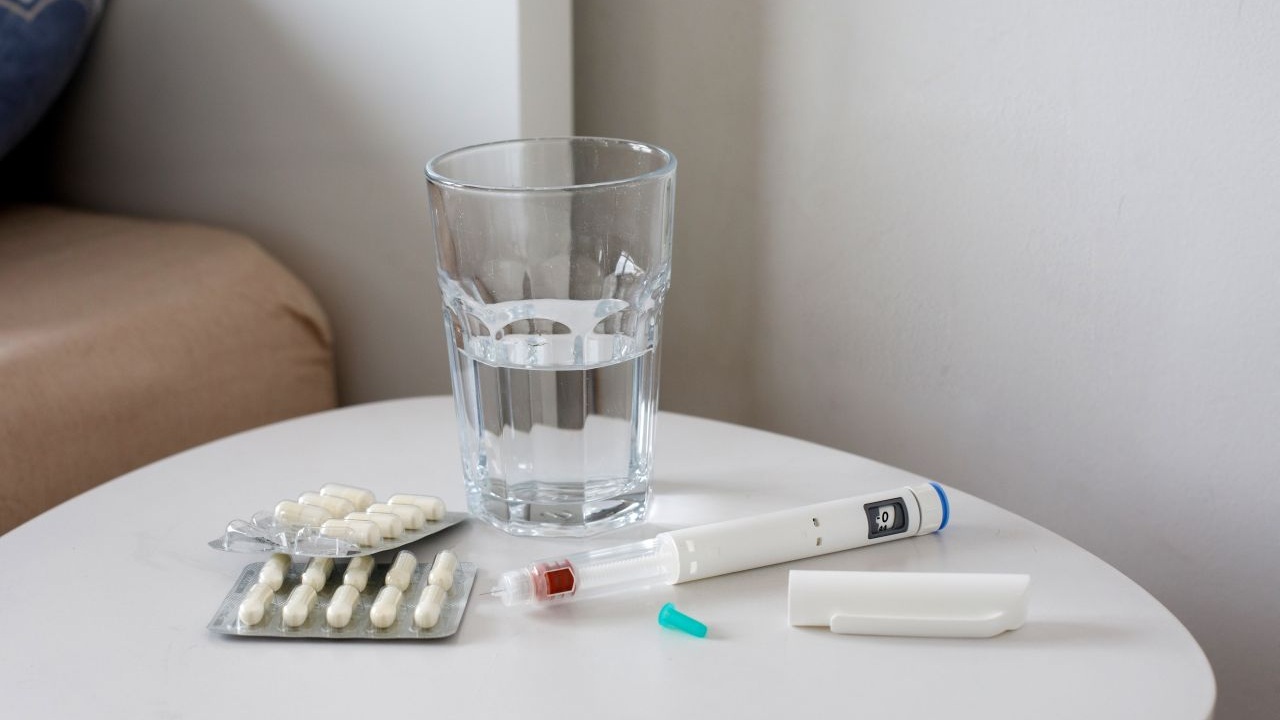
People who survive an opioid overdose face a steep risk of experiencing another one. A new large-scale study suggests a class of medications already familiar to many people for diabetes and weight loss, GLP-1 receptor agonists, may help change that and lower the risk of repeated overdoses.
Researchers studied 683,800 U.S. adults who had a documented overdose encounter in an emergency department or hospital between January 2017 and March 2026. The team drew on data from Cosmos, a research dataset covering more than 307 million patient records.
Patients who started a GLP-1 medication after their overdose had a 39% lower risk of a repeat overdose within three years compared to patients who never had prescriptions. Even patients who started a GLP-1 and later stopped retained a 20% lower risk than those who never used one.
The Numbers Behind the Finding
The protective association held up across different types of overdose. Patients whose first overdose involving liquor saw a 40% declining risk of a repeat overdose during active GLP-1 use. Those whose first overdose involved opioids or other drugs saw a 37% drop. When researchers excluded patients already taking medications for drugs and alcohol, the association grew stronger, with a 44% lower risk during active GLP-1 use.
Prior research found that survivors of an opioid overdose face a real chance of 15% or more of experiencing another overdose within a year. The highest risk concentrated in the weeks right after the first event. Existing medications for opioid use disorder reduce that risk substantially, but they reach only a small share of people who survive an overdose, and none have historically addressed the broader range of substances involved in overdose events the way that GLP-1s might.
Understanding Opioids and Overdose Risk
Opioids, including heroin, fentanyl and prescription painkillers, work by binding to receptors in the brain that control pain and reward. An opioid overdose occurs when these drugs suppress breathing to a dangerous or fatal degree.
That’s why naloxone and its brand name Narcan works by rapidly reversing that effect and restoring normal breathing.
GLP-1 medications, such as semaglutide and liraglutide, were originally developed for type 2 diabetes and later approved for weight management. Researchers believe they may reduce substance use by acting on brain regions involved in motivation and reward, the same circuitry implicated in addiction.
Earlier research in veterans with type 2 diabetes and a pre-existing drug misuse diagnosis found GLP-1 use associated with 40% lower overdose risk when compared to other diabetes medications. These signs suggest that this new study extends to a broader group of overdose survivors regardless of their reason for starting the medication.
Do note that people who start GLP-1s after an overdose may differ from those who don’t in ways the data doesn’t fully capture, such as having more consistent contact with healthcare providers. Some of the lower repeat-overdose risk could reflect those differences rather than just the medication by itself.
Harm Reduction and Treatment Still Come First
This research is promising, but it doesn’t replace proven interventions:
- Naloxone access remains the most immediate life-saving tool after an overdose.
- Medications for opioid use disorder, including methadone and buprenorphine, remain the frontline treatment with the strongest evidence base.
- Fentanyl test strips also help people identify contaminated supply before use, an important harm reduction step given how often fentanyl is now involved in overdose deaths.
For anyone recently discharged after an overdose, this is also a moment in which connecting with peer support can matter. Narcotics Anonymous offers a space to talk with others who understand active drug use and recovery without requiring folks to have already stopped using or committed to a specific treatment path.
NA a First Step for Opioid Treatment
If you or someone you love has survived an opioid overdose, talking to a doctor about GLP-1 medications alongside established treatment options is worth it, especially if diabetes or weight management is already part of the conversation. This isn’t a substitute for addiction treatment, but it may be a useful piece of a broader recovery plan for some patients.
That’s where we come in. Our searchable directory can help you find NA meetings anywhere in the country. You can also find local resources by calling 800-934-1582(Sponsored) and chatting with an expert about opioid addiction treatment options.
the Take-Away