 800-861-9372

Up to72 hours of methadone can help folks survive the days between committing to recovery and before getting medication. The gap in retention are often the deadliest days in terms of overdose risks, but a federal rule can narrow that gap. A study led by Sarah Rosenwohl-Mack of UC San Francisco followed every patient who …
Study Finds 3-Day Methadone Bridge Boosts Treatment Retention
Get Help Now 800-934-1582
 Sponsored
Sponsored
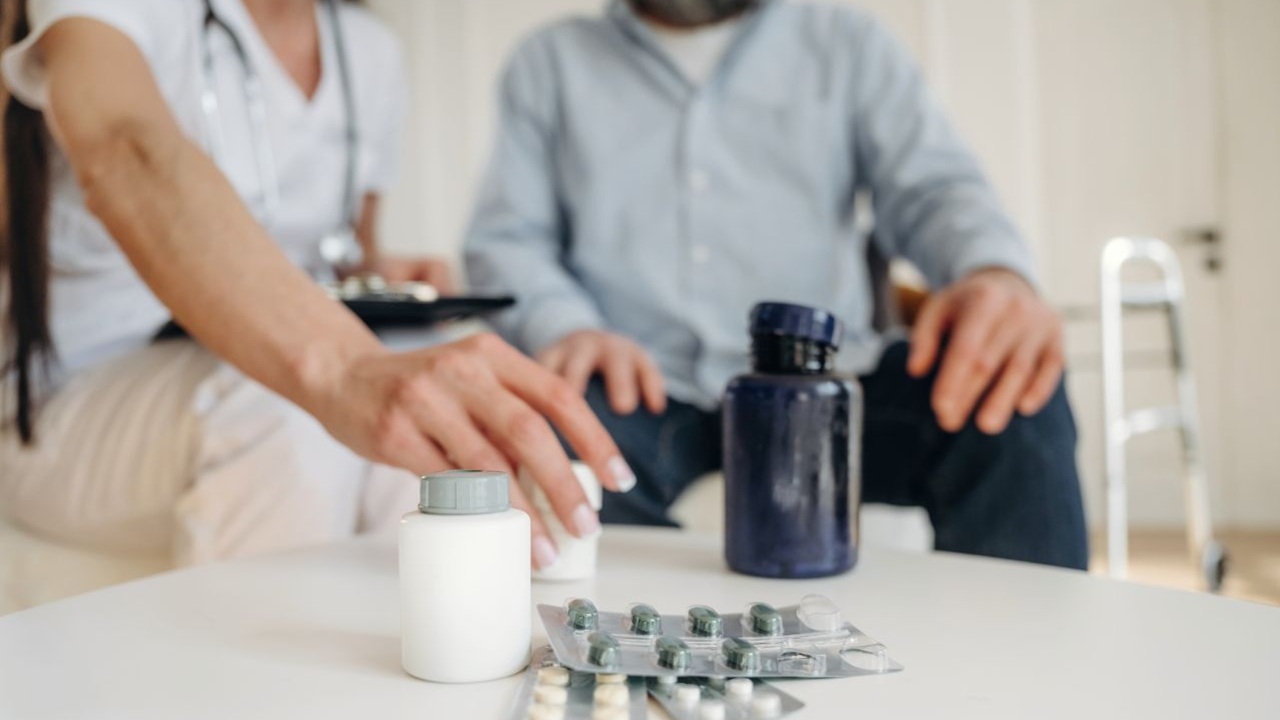
Up to72 hours of methadone can help folks survive the days between committing to recovery and before getting medication. The gap in retention are often the deadliest days in terms of overdose risks, but a federal rule can narrow that gap.
A study led by Sarah Rosenwohl-Mack of UC San Francisco followed every patient who received methadone under the federal three-day rule at San Francisco’s General Hospital Bridge Clinic between June 2024-July 2025.
Of 166 unique patients, 63%, 104 people, enrolled in an opioid treatment program within a week. Of those, 62% were still in treatment after 30 days. The researchers found no methadone-related emergency visits, hospitalizations or deaths within 30 days of the first dose.
Even though California and the other states have impressive inpatient care and even small, local Narcotics Anonymous chapters, people still fall through the gaps. Properly administered methadone saves people.
A Three-Day Window
Methadone is an effective addiction medicine. It has helped cut mortality rates in the city among folks who stay in treatment. But getting methadone can be challenging because programs have long waiting lists and limited hours. A person who shows up in withdrawal on a Friday afternoon can face days of waiting, leaving them at risk of overdose.
The three-day rule was written to fill this hole. It lets practitioners outside opioid treatment programs administer methadone to relieve withdrawal while arranging a transfer to a licensed program.
The catch is three days maximum, no renewal within the same month and a history of safety concerns that kept most clinics from trying it in the first place.
The Handoff Is Everything
The study also noted where patients came from. Those referred by the opioid treatment program co-located in the same hospital had 3.1-fold higher odds of remaining in treatment at 30 days. A referred patient arrives with a clinical relationship already established under one plan, while a walk-in needs to enroll once the three-day window closes.
Safety data were equally clean. Urine screens, emergency department surveillance, and medical examiner reports surfaced no methadone-related harms within 30 days. The one notable failure was administrative as one patient turned out to already be enrolled in methadone treatment elsewhere. Thus, clinics must check existing enrollment before dosing.
The San Francisco protocol was adapted from Boston Medical Center’s Faster Paths model and starts with conservative doses while referral staff work in parallel to secure a permanent appointment.
Safer Options While Waitlists Persist
People using opioids can find harm reduction methods like these:
- Naloxone reverses overdoses and is available through community programs.
- Fentanyl test strips reveal contamination in the street trade.
- And Narcotics Anonymous meetings offer peer support that complements medications.
- Medication-assisted treatment through local opioid treatment programs with buprenorphine prescribers as an alternative.
You don’t have to navigate the intake maze alone. Call 800-934-1582(Sponsored) to talk through opioid addiction treatment options.
You can also find peer support for fellowship and shared experiences through NA chapters in your neighborhood. Simply browse our free directory to get started.
the Take-Away