 800-861-9372

When Hurricane Helene ripped through the mountains of western North Carolina and the greater Appalachia region in September 2024, it dismantled the Narcotics Anonymous meetings, opioid treatment programs, and peer support networks that thousands of people in recovery depended on to stay alive. North Carolinians are known for their resilience. The Tar Heel State features …
Opioid Overdose Risk Surged After Hurricane Helene Hit Appalachia
Get Help Now 800-934-1582
 Sponsored
Sponsored
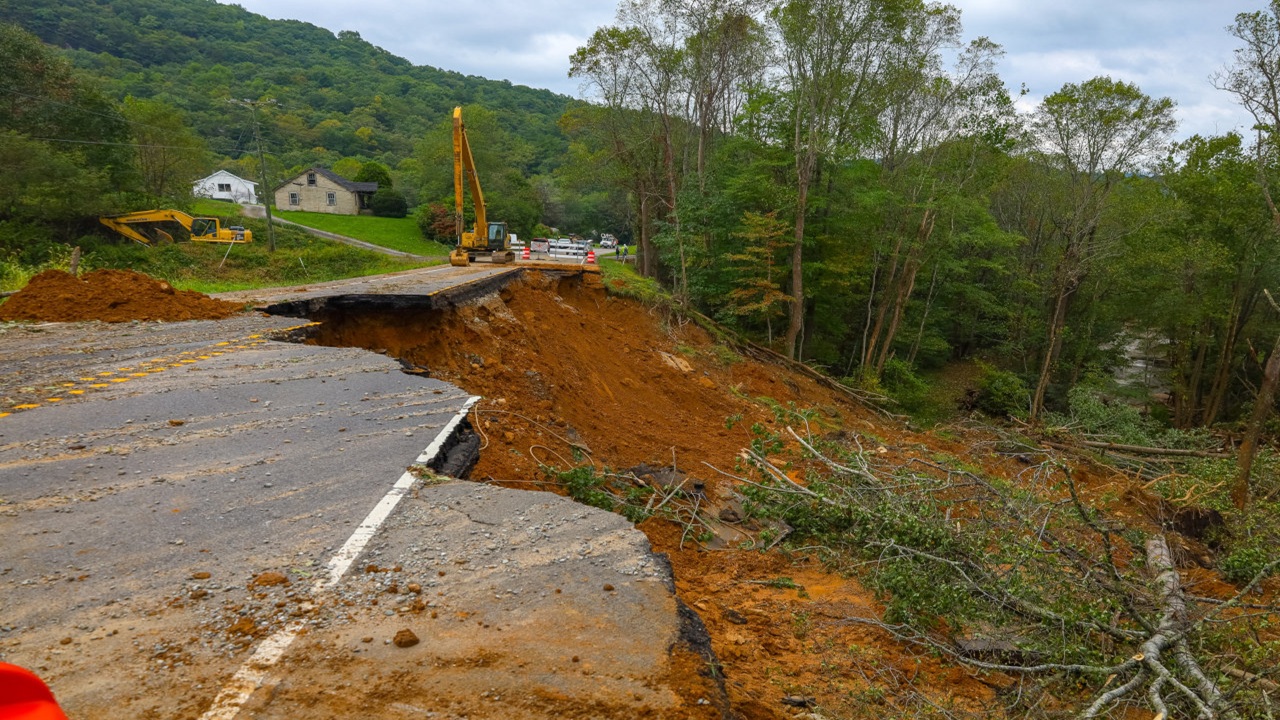
When Hurricane Helene ripped through the mountains of western North Carolina and the greater Appalachia region in September 2024, it dismantled the Narcotics Anonymous meetings, opioid treatment programs, and peer support networks that thousands of people in recovery depended on to stay alive.
North Carolinians are known for their resilience. The Tar Heel State features local NA chapters in virtually every neighborhood. Nevertheless, for communities already deep in the opioid crisis, losing those systems even temporarily meant a perilous climb back from the edge.
The Opioid Crisis by the Numbers
Appalachia was already fighting a losing battle against opioid addiction before the first floodwaters rose. Overdose mortality in Appalachian counties — spanning 13 states from New York to Mississippi — still exceeded the national average by 52% in 2023, driven by limited healthcare access, physically demanding work, and economic hardship. In six North Carolina counties alone, overdose deaths topped 36 per 100,000 residents in 2022.
Then Helene hit, and the numbers got worse in ways that won’t fully show up in data for years. Penn State sociologist Kristina Brant, who studies the long-term impacts of flooding, found an increase in overdose deaths that persists for a full decade after a major flood event. Grief and trauma, she notes, are significant triggers that can derail recovery. Indeed, hospitalizations for drug abuse jumped 30% after Hurricane Katrina and continued ascending for years, especially among the hardest-hit neighborhoods.
What’s Driving the Relapse Risk After Disasters
The backbone of opioid recovery isn’t just medication. Rather, it’s routine, community, and structure. Rural Appalachian communities lack the redundancies that make it easier to find another meeting, another clinic, or another therapist. Long travel distances are another hurdle, even during normal times.
When disasters like Helene hit and infrastructure is severely impacted, those existing barriers are “amplified a billion-fold,” according to Erin Major, a doctoral candidate in health services research at Boston University who studies substance misuse in Appalachia. These barriers make it genuinely impossible for many patients to access their care.
Devon, a 41-year-old Iraq war veteran in Asheville who asked to be identified only by his first name as required by 12-step program traditions, lived this firsthand. After returning from the Middle East with PTSD and a traumatic brain injury, he struggled with opioid addiction — beginning with prescription pills, then heroin — before finding stability through Narcotics Anonymous, medication-assisted treatment, and therapy.
Helene didn’t just damage his house. It fractured Devon’s marriage, upended his NA meeting schedule, halted therapy, buried him in financial strain, and eventually left him feeling suicidal.
“I was in a war situation,” he said of the night of the storm. What came after was its own kind of combat.
Fentanyl’s Role and the Danger of Post-Disaster Relapse
The opioid crisis has been reshaped by fentanyl, and that matters acutely when people in recovery relapse after disasters. After even a brief period of sobriety, opioid tolerance begins to drop — making the immediate days of relapse among the most dangerous due to a significantly elevated risk of overdose. Street supplies increasingly contaminated with fentanyl make that window of risk even more lethal.
John Kennedy, a musician and harm reduction advocate in Buncombe County, had spent years distributing naloxone — the opioid overdose reversal medication — to local music venues and nightclubs. After Helene, venue after venue closed permanently, leaving fewer spaces to put naloxone in the hands of folks who use drugs. Kennedy worries that more people are now using opioids alone, in which naloxone can’t save a life because no one else is there to administer it.
Narcotics Anonymous and Peer Recovery When the System Breaks Down
Despite everything, Devon didn’t relapse. He credits Narcotics Anonymous with making the difference.
“This is, like, why we do what we do — when shit hits the fan,” he noted.
Researchers have documented a “honeymoon phase” following disasters, a period of intense social cohesion as people united by loss rally around each other — but it’s during the months and years that follow, that the weight of compounding trauma and loss sets in and recovery is most at risk. NA’s ongoing structure — weekly meetings, sponsorship, service commitments — gives people a framework that persists beyond the initial crisis response. grist
In eastern Kentucky, where devastating floods in 2022 destroyed nearly 9,000 homes in a region already ravaged by opioid abuse, recovery participants described their peer support networks as the primary glue holding them together through months of displacement. “That’s a big thing in recovery,” relayed one Kentuckian in recovery from painkiller and methamphetamine addiction. “Asking for help.”
Narcotics Anonymous Meetings and Opioid Treatment
If you or someone you love has a narcotic addiction, the sooner support is in place, the better. Build your network before a crisis hits.
Search for Narcotics Anonymous meetings in any location in the country. Our directory has listings sorted by location or feel free to dial 800-934-1582(Sponsored) to speak with an expert.
the Take-Away