 800-861-9372

A new report from Ohio and Illinois documents how fentanyl is increasingly blended with synthetic animal tranquilizers. This time, naloxone doesn’t work. The reporting follows Mike, a 48-year-old army veteran in Columbus who has lived with opioid addiction for 20 years. His drugs are cut with “xylazine, and the one we can’t pronounce.” That second …
Naloxone-Resistant Fentanyl Mix Sweeping Across Ohio and Illinois
Get Help Now 800-934-1582
 Sponsored
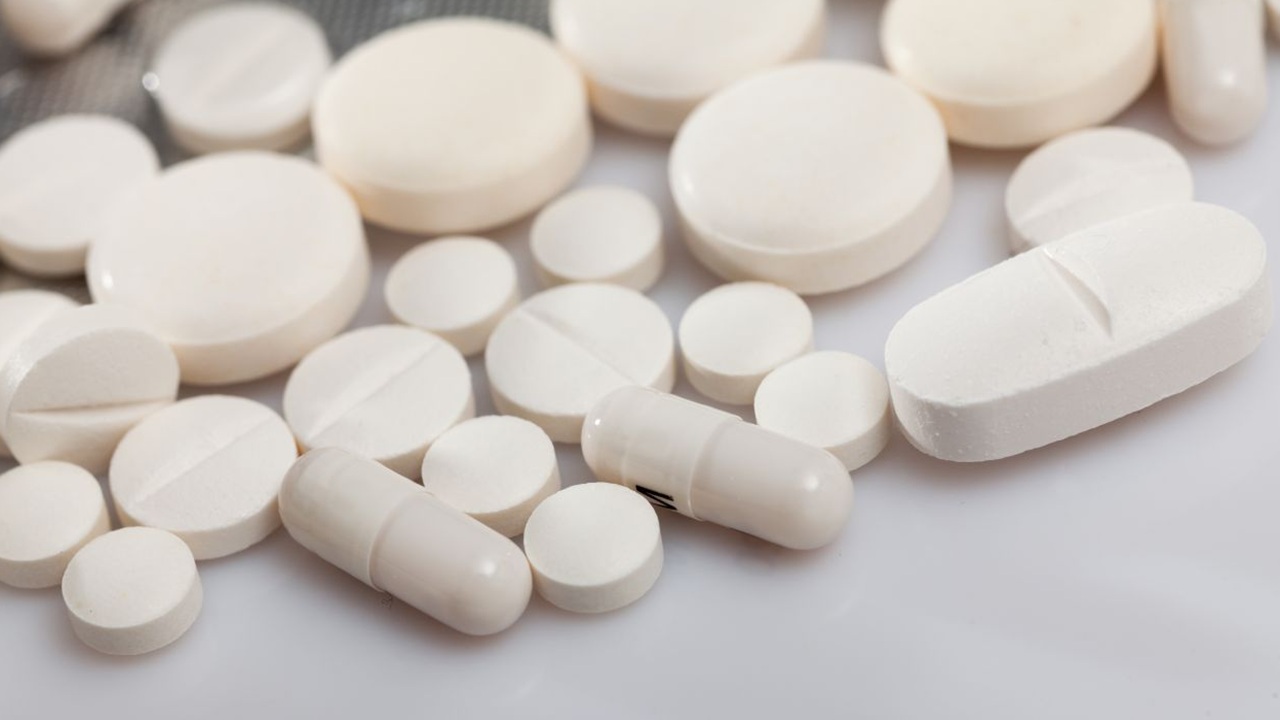
A new report from Ohio and Illinois documents how fentanyl is increasingly blended with synthetic animal tranquilizers. This time, naloxone doesn’t work.
The reporting follows Mike, a 48-year-old army veteran in Columbus who has lived with opioid addiction for 20 years. His drugs are cut with “xylazine, and the one we can’t pronounce.” That second drug is medetomidine. Both are large-animal tranquilizers known as tranq. Since these sedatives aren’t opioids, naloxone isn’t effective.
Overdose deaths in the United States have fallen as of late, in part due to revamped recovery efforts from the ground on up through local groups like Narcotics Anonymous. But the drug scene has revitalized with new and blended concoctions that have proven deadly.
In Franklin County, 78% of fatal overdoses in the last 12 months involved stimulants, according to the Hope Dealer Community recovery group. Crack cocaine is spiked with fentanyl in what users call a “hot dose,” and overdose deaths among Black men in Ohio are rising.
Naloxone Sometimes Fails
Naloxone has saved tens of thousands of lives, and its widespread adoption is one reason national overdose numbers are falling. But when the opioid supply is mixed with xylazine or medetomidine, reversing the opioid component may not be enough to restore breathing.
Thus, harm reduction groups are adapting. Hope Dealer Community works with the CDC to analyze drug samples. This was how Mike’s instincts were confirmed. His drug kit tested positive for medetomidine.
In Chicago, recovery worker Karen Bell, 17 years free from heroin, distributes test strips that check drugs for fentanyl, medetomidine, xylazine, and other adulterants.
“Back in my day, I stopped using heroin 17 years ago, that was still heroin. Now, when you buy a bag, you don’t know really what it is.”
Her group, Liv4Lali, hands out naloxone and test strips even as the drug supply changes faster than the tools built to police it.
Homemade Synthetics Reach Jails
The synthetic wave has changed the whole drug scene. At Cook County Jail in Chicago, staffers in 2023 saw a spike in overdose deaths alongside paper burned by inmates who were lighting drug-soaked pages. Synthetic cannabinoids, sometimes called K2, had been mailed into the jail soaked into the pages of books and letters. Eight inmates died that year from fatal seizures linked to the drugs. Now every piece of post entering the jail is scanned for moisture, and up to 25% of packages test positive and are rejected.
The shift is economical. A Chicago dealer working for Mexican cartels relayed that synthetic drugs are the future of his business. “It’s not even the tip of the iceberg.”
Cook County Sheriff Tom Dart noted that the war on drug continues but eradicating the supply isn’t enough. “Front and centre there’s got to be huge substance abuse treatment.”
Take Caution
Naloxone remains essential, but anyone responding to an overdose involving possible tranq should call emergency services even after administering it. Second, test strips now cover more than fentanyl, and distribute them free in many cities.
Third, remember that drugs impact everyone. Karen Bell got clean during a pregnancy that she credits with saving her life, and her daughter Abby is now 17 and wants to become a tattoo artist. “I’ve seen it mess with my family too much,” Abby observed. Recovery in the age of synthetic opioids is harder to reach, but it still happens every day, one person at a time.
Each person can find support and a mentor to guide them through good times and bad. Narcotics Anonymous features a wide range of peer support and format options. It’s free and available in every community.
To get started, just browse our directory for chapters anywhere in the USA. Feel free to also dial 800-934-1582(Sponsored) to chat with an expert.
the Take-Away