 800-861-9372

A veterinary sedative 200x deadlier than xylazine now complicates opioid addiction treatment in Philadelphia. Withdrawal is severe enough to require intensive care. A study shows that medetomidine, now seeping in fentanyl street drugs throughout Pennsylvania, pushed the number of patients needing ICU-level withdrawal care from 6% to 32% in three years. Researchers at the University …
Medetomidine Withdrawal Sends a Third of Opioid Patients to ICU
Get Help Now 800-934-1582
 Sponsored
Sponsored
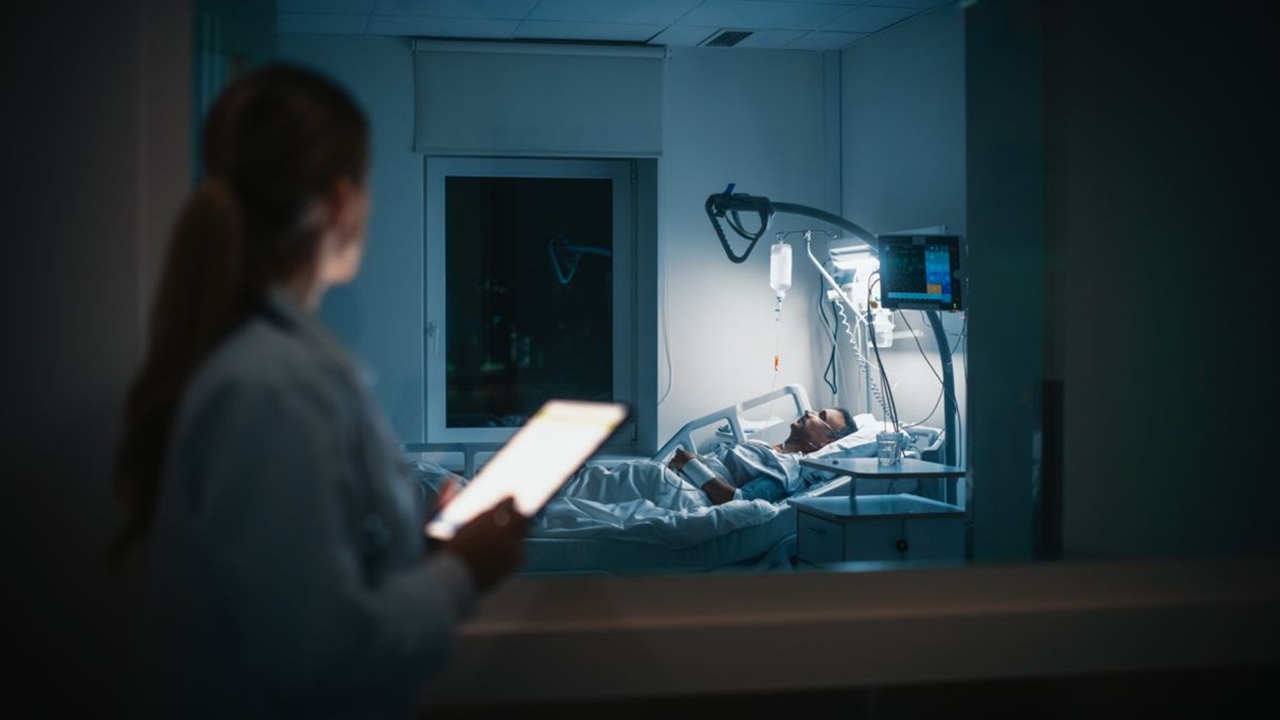
A veterinary sedative 200x deadlier than xylazine now complicates opioid addiction treatment in Philadelphia. Withdrawal is severe enough to require intensive care. A study shows that medetomidine, now seeping in fentanyl street drugs throughout Pennsylvania, pushed the number of patients needing ICU-level withdrawal care from 6% to 32% in three years.
Researchers at the University of Pennsylvania examined data from two Philadelphia hospitals from early 2020 through September 2025. Medetomidine’s emergence in fentanyl was traced to mid-2024, so the team split the data around that point.
Despite the wide array of treatment programs in The Keystone State, including local Narcotics Anonymous chapters, overdose numbers have started climbing again.
The Opioid Crisis in Philly
Right before medetomidine hit the scene, dexmedetomidine, the infusion medication used to treat withdrawal, was administered to just under 6% of patients with opioid use disorder. After medetomidine entered the supply, that figure jumped to 20%. In the summer of 2025, it climbed to 32%.
Patients suspected of medetomidine withdrawal also needed meds at higher doses. Almost 79% received methadone compared with half of patients who didn’t require dexmedetomidine. Buprenorphine was given to 36% of the withdrawal group. Patients receiving dexmedetomidine also spent more time recovering in the ICU.
“Clinically, we recognize that we are in a new era of withdrawal management,” one researcher noted.
Medetomidine Withdrawal Hits So Hard
Medetomidine is a sedative-anesthetic used in veterinary medicine for large animals. On the street, it intensifies fentanyl’s effects. The danger comes during withdrawal. Symptoms arrive quickly and include tachycardia, extreme anxiety and vomiting. Reports link severe untreated cases to organ damage.
Treating medetomidine withdrawal requires dexmedetomidine that can slow heart rate and blood pressure. That’s why it demands constant monitoring in an ICU. The drug’s spread has such heavy consequences for hospitals already strained by the overdose epidemic.
Harm Reduction in Philly
Naloxone remains the first response to any opioid exposure. This includes medetomidine mixed into fentanyl. Fentanyl test strips don’t detect medetomidine, so be wary.
Folks can take heart that medication assisted treatment works. Methadone and buprenorphine reduce cravings and overdose risks.
Peer support via NA meetings in Philadelphia adds the camaraderie and fellowship for good times and bad.
NA Still a Vital Resource
Withdrawal is becoming more dangerous. Don’t detox on your own if you take sedatives like medetomidine. Opioid treatment programs can manage withdrawal and they can plan for the ICU-level complications.
NA is a starting point for anyone entering or sustaining recovery. It’s free and chapters dot the landscape. Simply browse our directory to find groups in any location in the USA.
You might also consider calling 800-934-1582(Sponsored) to find opioid treatment programs alongside an expert.
the Take-Away