 800-861-9372

A new experimental fentanyl vaccine could change how Americans fight their deadliest drug crisis by stopping opioid overdoses. Instead of treating an overdose after it happens, they can potentially stop the drug from ever reaching the brain. For the millions living with opioid addiction, and the families devastated by it, this study by the Scripps …
Fentanyl Vaccine Could Stop Opioid Overdoses Before They Start
Get Help Now 800-934-1582
 Sponsored
Sponsored
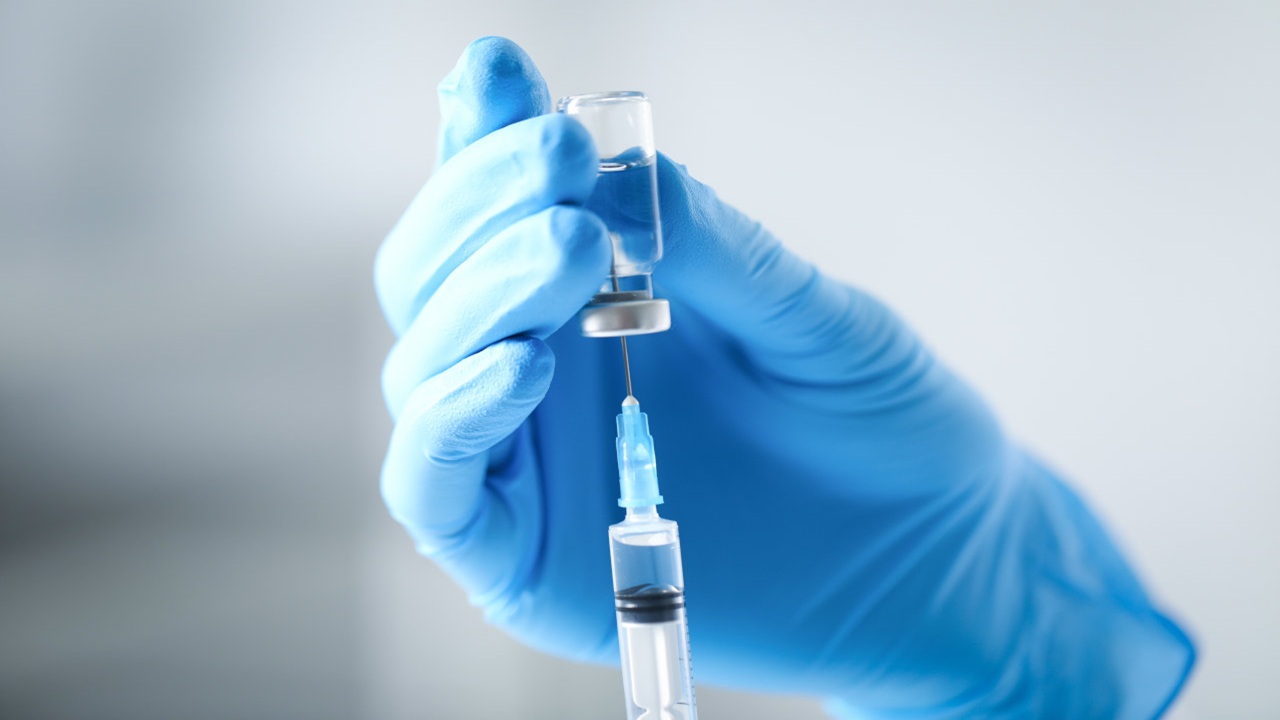
A new experimental fentanyl vaccine could change how Americans fight their deadliest drug crisis by stopping opioid overdoses. Instead of treating an overdose after it happens, they can potentially stop the drug from ever reaching the brain. For the millions living with opioid addiction, and the families devastated by it, this study by the Scripps Research Institute represents a striking shift in the science of overdose prevention.
The experimental vaccine doesn’t just target fentanyl itself. It trains the immune system to recognize a broad range of fentanyl-related designer drugs, including some of the most dangerous variants driving opioid overdose deaths today.
The Opioid Crisis
Fentanyl is the leading driver of opioid overdose deaths in the United States, found in counterfeit pills, heroin, and stimulants alike. Each year, fentanyl and related opioids take more lives than those lost to car crashes and gun violence combined. High doses disrupt normal brain function and suppress breathing, often leading to death.
The scale of fentanyl’s role in the opioid epidemic can’t be overstated. It now contaminates the illicit drug supply at every level, and when mixed with other drugs, can expose people to doses potent enough to kill within minutes.
The Fentanyl Vaccine
Rather than treating an overdose, as with most harm reduction methods, the team at Scripps Research developed a way to stop fentanyl from ever getting to the brain in the first place. Their findings indicate the vaccine may provide protection not only against fentanyl and a wide range of modified fentanyl “designer drugs” designed to increase potency or help manufacturers evade detection and regulation.
The approach inverts the conventional logic of vaccine design. Most vaccine candidates rely on the drug itself to train the immune response. That creates two problems: the drugs are heavily regulated, making research difficult. The immune response also tends to be highly specific, potentially missing new variants.
Senior author Kim Janda described the main challenge. Black-market drug makers constantly devise new versions to avoid regulations and detection. That means, clinicians “need countermeasures that are going to work against all these future variants at once, not just one at a time.”
Broad Protection Against Fentanyl Variants
When used against multiple designer drugs, the vaccine demonstrated a broad level of protection. The antibodies identified fentanyl as well as several variants like carfentanil, China White, acetylfentanyl and furanylfentanyl. At the same time, antibodies left commonly used medical opioids such as morphine and oxycodone unaffected.
Scientists also observed the protective effects in animal testing. Mice that received the vaccine maintained normal breathing after receiving fentanyl doses that typically cause severe respiratory depression. Fentanyl levels in the brains of vaccinated mice were approximately 70% lower than in unvaccinated mice.
For Opioid Addiction Treatment
The vaccine is still years from clinical use in humans. But its potential applications in opioid addiction treatment are significant. Researchers believe it can eventually protect folks enrolled in drug recovery programs and others like first responders who face a high risk of fentanyl exposure.
Even so, people living with narcotic addiction and opioid use disorder need effective tools today. While a vaccine may become part of the future treatment landscape, the following resources are available right now.
- Naloxone (brand name Narcan) is the opioid overdose reversal medication that can save a life within minutes. It must be administered rapidly, which is why expanded access remains critical. Naloxone is available without a prescription at most pharmacies and through community harm reduction programs. For anyone at risk of opioid overdose, carrying naloxone is one of the most important steps you can take.
- Medication-assisted treatment (MAT) remains a preferred option for opioid addiction treatment. Combined with peer support, counseling, and Narcotics Anonymous (NA) meetings, MAT has helped countless people build lasting recovery.
Finding Help for Opioid Addiction
Don’t wait for the vaccine. Start finding help now. Local NA chapters offer free, peer-led meetings for folks with narcotic addiction and opioid abuse. Local meetings are available in person and online, every day of the week. Fellowship fosters when connecting with others in your community, and NA groups often stay together for the long haul.
Simply dial 800-934-1582(Sponsored) to speak with a specialist, or look through our browser for meetings anywhere in the country.
the Take-Away