 800-861-9372

A new analysis of teen overdose deaths that these fatalities often had multiple substances in their systems. Specifically, there’s a growing presence of cannabis and fentanyl in adolescent overdose toxicology reports. First, let’s be clear about marijuana. Cannabis isn’t an opioid and doesn’t produce the same fatal results as fentanyl. The presence of cannabis doesn’t …
Cannabis Detected in 42.7% of Teen Overdose Deaths
Get Help Now 800-934-1582
 Sponsored
Sponsored
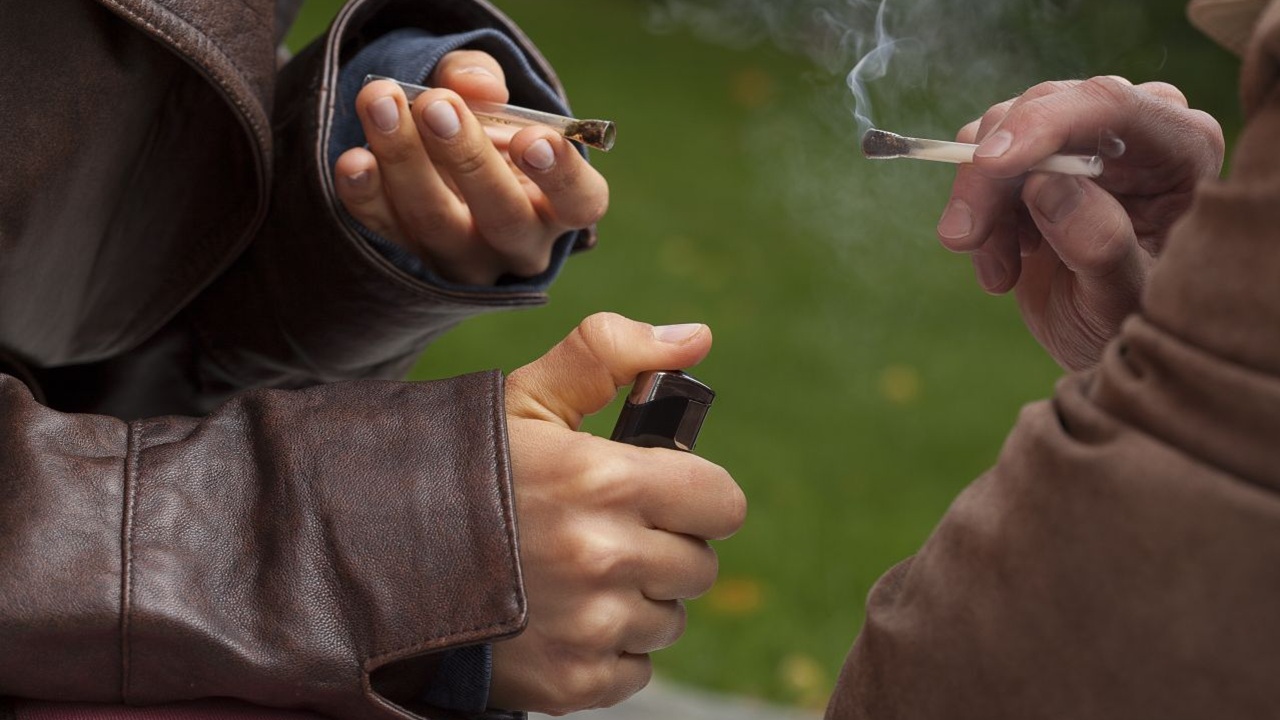
A new analysis of teen overdose deaths that these fatalities often had multiple substances in their systems. Specifically, there’s a growing presence of cannabis and fentanyl in adolescent overdose toxicology reports.
First, let’s be clear about marijuana. Cannabis isn’t an opioid and doesn’t produce the same fatal results as fentanyl. The presence of cannabis doesn’t mean that it caused death or that it has the same risk as synthetic drugs.
Instead, an adolescent may have smoked cannabis shortly before or after taking fentanyl. They might have thought they were vaping and fentanyl was mixed in. In some cases, multiple substances were used intentionally.
Adding Fentanyl
Fentanyl’s potency makes any street drug dangerous. Fentanyl turns up in counterfeit pills or is blended with other substances without anyone’s knowledge.
Adolescents with limited experience with fentanyl don’t know that a single exposure can lead to overdose and death.
Response is Pivotal
Prevention messages are a good starting point for those at risk. But be specific. SImply saying that cannabis and fentanyl have identical risks when they don’t undermines trust. At the same time, downplaying co-use or assuming a familiar product is safe can leave adolescents unprepared for a changing drug supply.
Rather, parents, schools and healthcare professionals can help by discussing narcotics openly, storing medications securely and making naloxone available where opioid exposure is possible. If an adolescent is unresponsive, breathing slowly or showing other signs of an overdose, naloxone should be given and contact emergency services immediately.
The broader takeaway is that adolescent substance use requires individualized assessments. Younger folks taking cannabis may be facing mental health concerns or trauma. Effective care addresses the full situation rather than focusing only on one drug.
NA Can Help
Narcotics Anonymous and other peer groups remain a top option for anyone of any age dealing with drug issues. In fact, teens often open up with others in their age group who understand their background and experiences. They can point to educational information about fentanyl, other narcotics, dependence and treatment options.
Getting started is made simpler with our online directory. We list chapters from all over the USA, filtered by format and location.
Feel free to also speak with an expert by calling 800-934-1582(Sponsored) and exploring local options.
the Take-Away