 800-861-9372

All stimulants affect the dopamine levels in a person’s brain resulting in the individual feeling more energized and alert. However, stimulant drugs have numerous different side effects that can be dangerous to a user.
Stimulants Side Effects
Get Help Now 800-934-1582
 Sponsored
Sponsored
Do you think that someone you love might be abusing stimulants? Understanding the side effects of this medication can help you discern the symptoms. Let’s take a look at how some of the most common stimulants affect the body, and what to look out for.
Cocaine, Crack and Amphetamines
Cocaine is a popular party drug that is typically snorted in powder form, whereas crack is crystalized cocaine that is smoked. Amphetamine is more powerful than crack and cocaine and can be injected, snorted, or taken in oral form. The psychological experience from people using cocaine or amphetamines is extremely similar; however, the effect of cocaine typically does not last longer than one hour, whereas the effects of amphetamines can last for several hours.
Ecstasy, Molly or MDMA
Ecstasy, also known as Molly or MDMA, is typically a club or party drug that is taken in tablet form. Ecstasy is a stimulant and a hallucinogen that causes a user’s auditory and visual senses to become skewed, as well as their dopamine levels to increase. This can make them seem happier and more empathetic to those around them.
Prescription Stimulants
Prescription stimulants such as Adderall or Ritalin are prescribed to help people with narcolepsy and attention-deficit hyperactivity disorder (ADHD). In proper doses, these drugs can help a person stay awake and become more alert.
Types of Stimulant Side Effects
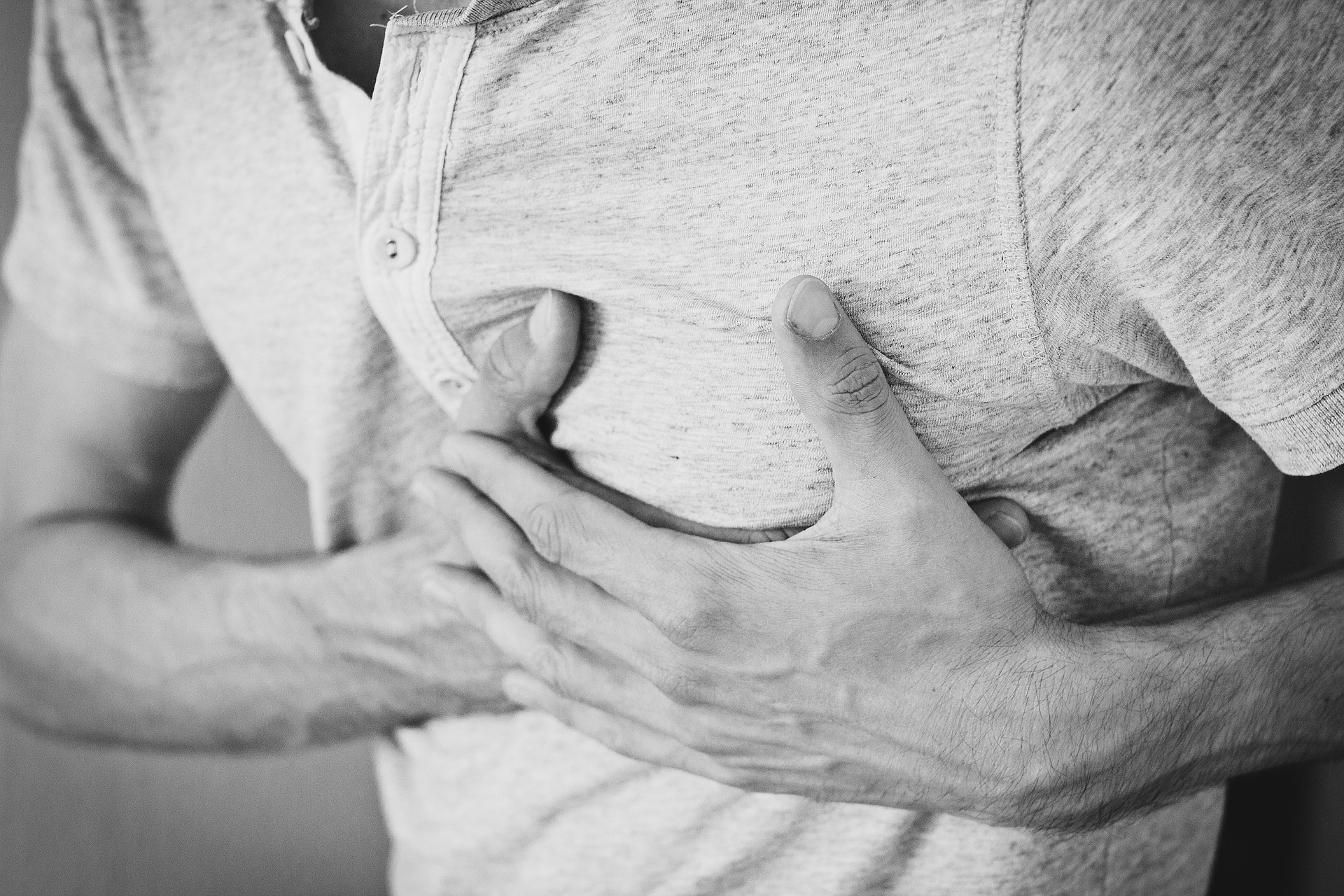
Stimulant abuse can cause a heart attack.
All stimulants cause a person to feel more alert, energized, confident, and happy, but they also have negative side effects. The first time a person uses a stimulant, they could begin to have seizures or have a heart attack due to the increase in their heart rate from the drug and the impact the drug has on their brain.
Stimulants can cause a person to hear and see things that are not real. It can also cause their vision to become impaired, as well as their balance. In large doses, stimulants can cause a person’s blood pressure to increase to the point of heart complications or a stroke, which can be fatal.
Some people think that since stimulants like Adderall or Ritalin are legally prescribed, they are safer to take, but when abused, these drugs are just as dangerous as illicit stimulants.
Prescription stimulants, such as Adderall, may cause sudden death in teenagers and children, especially those who have heart problems or heart defects. In addition, Adderall may also cause cardiac arrest, sudden death, or stroke in adults, especially adults who already have heart defects or heart problems.
Symptoms of Stimulant Addiction
Stimulants are not only dangerous to a person both mentally and physically, but they are also addictive, which can result in a person continually using the drug, causing more and more damage to their body and to their personal life. Unsure if someone you love has become addicted to stimulants? Here are some of the symptoms to watch for:
- Engaging in deceptive behavior (lying, stealing) to obtain the drug
- Doctor shopping or buying stimulants online to get more prescriptions
- Having excessive energy or motivation, especially if this is out of character
- Experiencing aggressive or angry outbursts
- Engaging in risky or impulsive behavior
- Showing physical signs of stimulant addiction, such as jitteriness, rapid heartbeat, hair loss, or skin problems
- Hyperfocusing or having an enhanced sensory awareness
- Showing signs of confusion, paranoia, or hallucinations
If you suspect that someone is suffering from stimulant addiction, help is available. Reach out to learn more about treatment options, and visit our online directory to find Narcotics Anonymous (NA) meetings near you.
the Take-Away