 800-861-9372

Amid an opioid crisis that keeps claiming lives, the search for a non-opioid painkiller has taken scientists to an unlikely place: the venom of a sea snail. Researchers have highlighted how cone snail venom already produces one powerful pain medicine that carries no known risk of opioid addiction, and scientists believe it could lead to …
Sea Snail Venom Fuels Shows Promise as Non Opioid Painkiller
Get Help Now 800-934-1582
 Sponsored
Sponsored
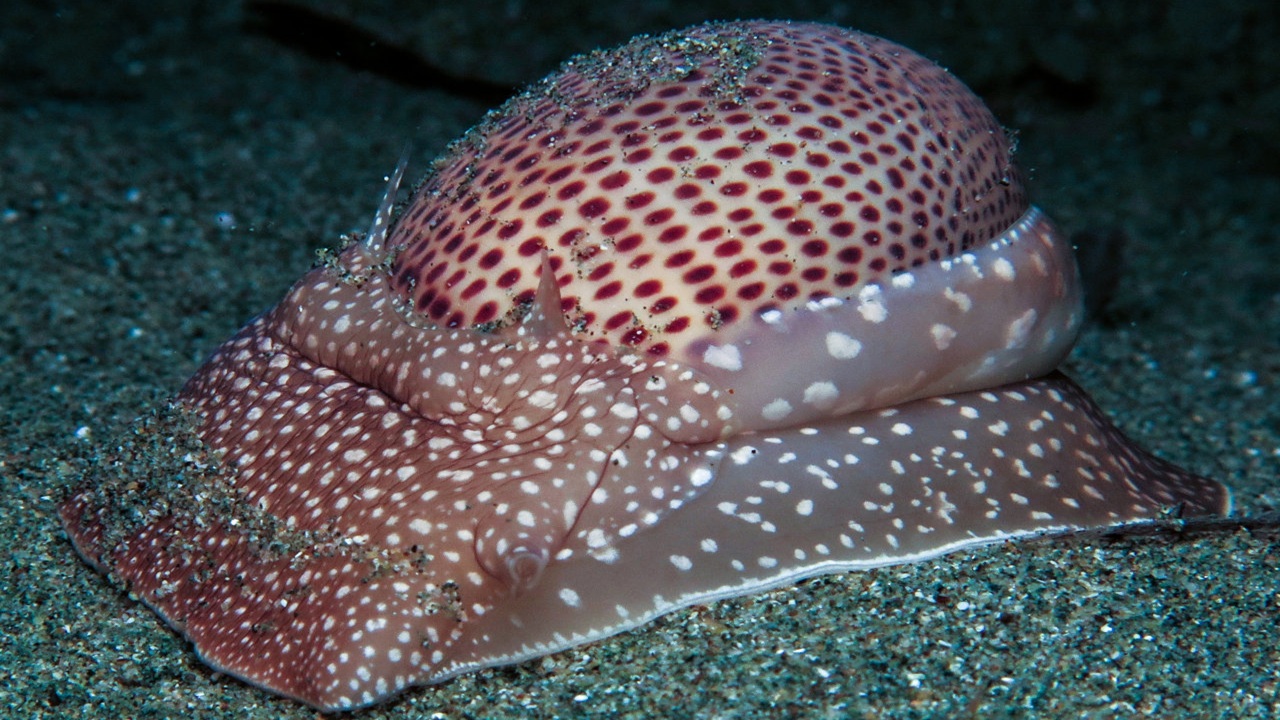
Amid an opioid crisis that keeps claiming lives, the search for a non-opioid painkiller has taken scientists to an unlikely place: the venom of a sea snail. Researchers have highlighted how cone snail venom already produces one powerful pain medicine that carries no known risk of opioid addiction, and scientists believe it could lead to more.
From Deadly Venom to Pain Medicine
The clearest proof so far is a drug called ziconotide, derived from the venom of the magician cone snail, known scientifically as Conus magus. The FDA approved ziconotide back in 2004 for severe chronic pain for those folks who don’t respond to conventional treatment.
However, unlike regular painkillers, ziconotide doesn’t interact with opioid receptors in the brain, which means it isn’t associated with addiction. Instead, it blocks N-type calcium channels that carry pain throughout the nervous system.
There’s a practical catch. Because ziconotide can’t easily cross the blood-brain barrier, it has to be delivered directly into the cerebrospinal fluid through an implanted pump, which limits it to specific cases.
Snails Impact the Opioid Crisis
Opioids remain a mainstay for treating serious pain, but long-term opioid use carries real risks, including dependence and overdose. A medicine that relieves severe pain without touching the brain’s opioid system is exactly the kind of tool clinicians have wanted.
Indeed, ziconotide showed that venom molecules can be turned into effective, non-addictive therapies. That’s why researchers are still mining cone snail venom for new leads.
Scientists’ Next Steps
Researchers say they have barely scratched the surface. One potential area involves alpha-conotoxins. These are a group of venom peptides that can interact with immune cells linked to chronic nerve pain. Scientists are now investigating whether these non-opioid alternatives might one day help treat conditions such as chemotherapy-induced neuropathy and diabetic nerve damage.
It’s important to note that most of this work is still investigational, and these potential treatments are years away from any pharmacy shelf.
Understanding Opioids and Addiction Treatment
Let’s take a step back. Generally, opioids are a class of drugs that includes prescriptions for pain such as oxycodone and morphine, as well as illicit heroin and fentanyl. They relieve pain but can lead to dependence. In higher doses, opioids can result in overdose, such as slowing down the breathing to a fatal level. Non-opioid options matter because they can treat pain while sidestepping that risk.
While scientists work on the next generation of pain drugs, proven tools already save lives today. Take a look:
- Naloxone/Narcan can reverse an opioid overdose.
- Medications for opioid use disorders, including methadone, buprenorphine, and naltrexone, are evidence-based treatments.
- Peer support through Narcotics Anonymous meetings helps many people in recovery.
Begin NA Today
If you or someone you love is affected by opioid addiction, don’t wait for snail venom to hit the shelves. Search NA meetings in any location via our browsable directory. Free and confidential meetings remain a first and long-lasting step to recovery.
You can also dial 800-934-1582(Sponsored) to ask about opioid treatment programs with an expert, and look into harm reduction resources like naloxone and fentanyl test strips.
the Take-Away