 800-861-9372

Broken sleep does more than leave people groggy. New research published in Drug and Alcohol Dependence found that perceived sleep disruption was tied to stronger opioid craving and higher daily opioid doses among adults with chronic low back pain, a pattern clinicians see as one pathway into opioid addiction for people on long-term opioid therapy. …
Poor Sleep May Increase Opioid Craving and Use, Study Finds
Get Help Now 800-934-1582
 Sponsored
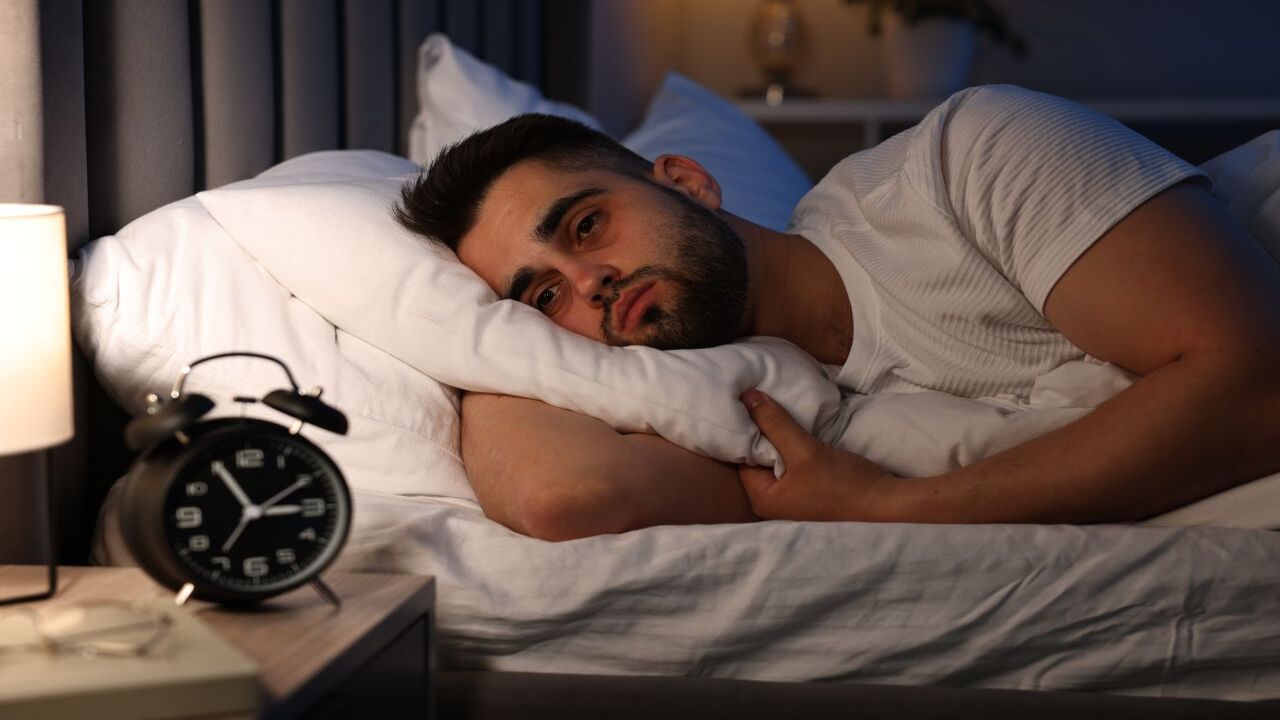
Broken sleep does more than leave people groggy. New research published in Drug and Alcohol Dependence found that perceived sleep disruption was tied to stronger opioid craving and higher daily opioid doses among adults with chronic low back pain, a pattern clinicians see as one pathway into opioid addiction for people on long-term opioid therapy.
What Researchers Measured in Chronic Pain Patients
The study followed 81 adults with chronic low back pain who were receiving long-term opioid therapy. For 14 days, participants completed ecological momentary assessment, a method that captures real-time reports on a phone or device, along with overnight actigraphy monitoring that tracks movement during sleep.
The research was supported by the National Institute on Drug Abuse Intramural Research Program. The team, led by Eleanor Blair Towers, focused on wake after sleep onset, the minutes spent awake during the night after first falling asleep.
They measured it two ways, through sleep diaries and through actigraphy, and tracked morning and nocturnal craving, pain severity, and daily opioid dose in morphine milligram equivalents. Fourteen days of per-person data gave the researchers an unusually detailed view of how nights and doses connect.
Sleepless Nights Fed Craving and Higher Doses
Greater diary-based wake after sleep onset was associated with higher nocturnal opioid craving. Pain severity proved a strong predictor of both nocturnal and morning craving, and it changed the relationship between sleep and dose. On high-pain days, more time awake at night was linked to a higher opioid dose the following day.
Mediation analyses pointed to craving as the connecting mechanism. Perceived sleep disruption influenced opioid dose indirectly through both nocturnal and morning craving, suggesting craving is a cognitive and emotional bridge between a rough night and taking more medication.
Actigraphy-derived sleep measures, by contrast, showed minimal association with craving or dose, which means the subjective experience of bad sleep may matter more than the objective movement data.
The scope of the issue is large. Chronic low back pain affects more than 600 million people worldwide, and many receive long-term opioid therapy, according to the study’s authors.
Why Craving Matters in Opioid Addiction Risk
Craving is not just discomfort. It is a recognized warning sign in the development of opioid addiction, and it can push prescribed use toward opioid abuse when doses climb beyond what a clinician intended.
This study gives patients and providers a concrete, modifiable target: treating sleep problems may interrupt the cycle before escalating use takes hold.
The findings also carry weight for the broader overdose crisis. People whose prescribed opioid use spirals sometimes transition to unregulated narcotics, where fentanyl now dominates the supply and raises the lethality of every dose. Catching craving early, at the level of sleep and pain management, is upstream prevention.
That framing shifts a routine part of pain care into a relapse-prevention opportunity. A patient who reports waking for long stretches at night is giving their prescriber actionable information, and treating the sleep problem directly may reduce the craving that drives dose escalation.
Sleep as a Treatment Target in Pain Care
The authors describe sleep disturbance as a potentially modifiable intervention target in chronic pain populations. For people on long-term opioid therapy, that opens practical conversations with prescribers about insomnia treatment, cognitive behavioral therapy for sleep, and pain management plans that do not depend solely on dose increases.
Finding Help for Opioid Dependence
Anyone who notices craving building between doses, or who takes more opioid medication than prescribed, can treat that as useful information rather than a personal failure.
Medication-assisted treatment with buprenorphine or methadone stabilizes craving, and naloxone should be on hand for anyone using opioids in any form.
Peer support through Narcotics Anonymous is free and available in most communities, and people looking for NA meetings near them can search local helplines and online meeting locators any hour of the day. Call 800-934-1582(Sponsored) to speak with a treatment specialist and learn more about your options.
the Take-Away