 800-861-9372
When experiencing narcotics overdose symptoms, you may feel alone, uncomfortable and overwhelmed. It is important to understand and seek help for these symptoms.
Narcotics Overdose Symptoms
Get Help Now 800-934-1582
 Sponsored
Sponsored
According to provisional data from the CDC, in 2024, an estimated 79,384 individuals lost their lives due to a drug overdose. Although these numbers mark the largest single-year drop in overdose deaths, drug overdose remains a leading cause of accidental death in the United States.
While overdose does not necessarily result in death, death becomes an ever-increasing possibility the longer a person uses. Being able to identify symptoms of a narcotics overdose can mean the difference between life and death for you or a loved one.
Narcotic Drugs
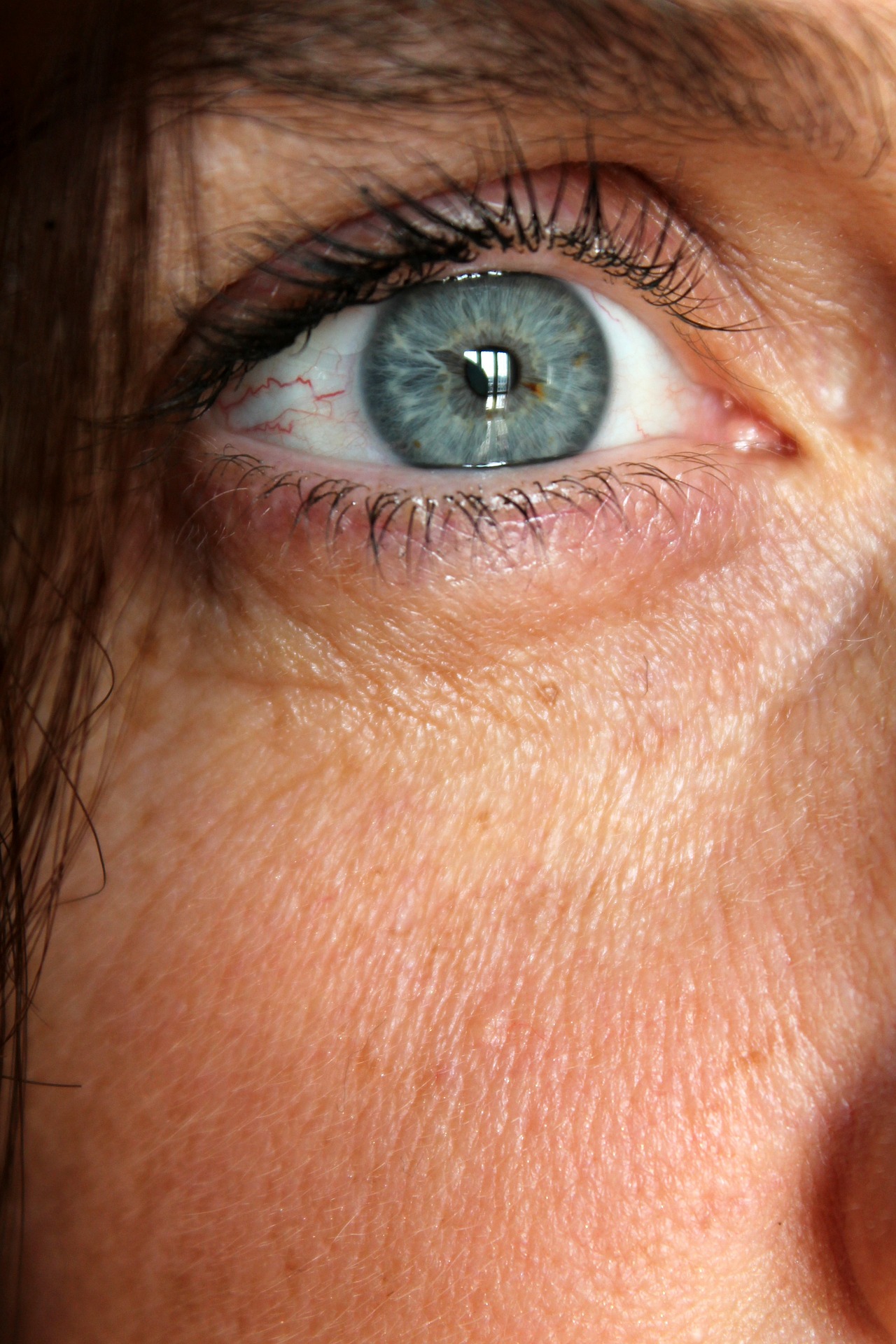
Constricted pupils are a sign of a narcotics overdose.
Whether obtained legally or illegally, almost all people use narcotic drugs for the same reason: to relieve pain, be it physical or psychological. Narcotic drugs act as central nervous system depressants, meaning these drugs slow down the body’s processes. These medications not only offer pain relief but also feelings of calm and even euphoria, which contribute to their misuse. Some of the more well-known narcotic drugs include heroin, morphine, fentanyl, hydrocodone and oxycodone.
Classifications for narcotic substances fall into four general categories:
- Natural opium alkaloids, such as codeine and morphine
- Synthetic substances derived from heroin and morphine
- Synthetic replicas of morphine
- Antagonist agents, which are designed to counteract the effects of narcotics
Brain & Body Overload
The chemical structure of narcotics allows them to quickly spread throughout the body, reaching nearly every organ. An overdose occurs when the amount of drug overwhelms the brain and disrupts vital functions like breathing and heart rate.
After being processed by the liver, narcotics are broken down into metabolites that continue to circulate in the bloodstream. These metabolites can remain active longer than the original substance, prolonging the drug’s effects and increasing the overall burden on the body.
Symptoms of a narcotics overdose can vary depending on a person’s overall health and how long a person has been on the drug. Signs to watch out for include:
- Drowsiness or stupor
- Decreased responsiveness
- Constricted pupils
- Pale, clammy skin
- Skin discoloration, such as blue or purple fingernails and lips
- Slow heart rate and low blood pressure
- Respiratory depression
- Hallucinations
Of all the symptoms, respiratory depression is by far the most dangerous and accounts for the majority of deaths caused by narcotics overdose.
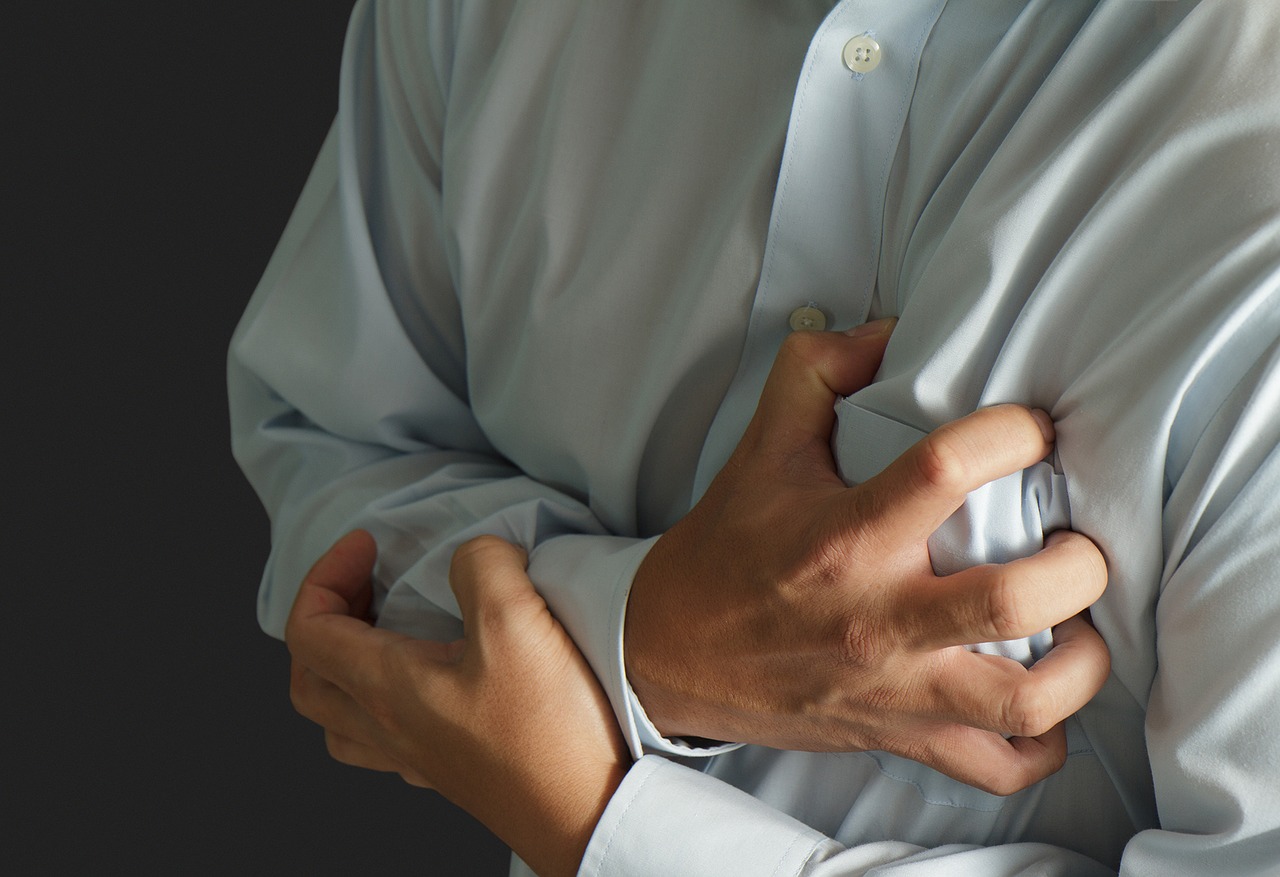
Narcotics Overdose Dangers
There are numerous dangers associated with a narcotics overdose, the top two being coma and death. Narcotics are sedative drugs, such as opiates, that cause a person to feel extremely relaxed while sending a surge of euphoria throughout the user’s body.
Causes of Overdose
Several factors can lead to an overdose. Including the type of drug used and how it’s ingested. People who use narcotics intravenously may overdose from too high a dose or from another substance mixed in with a narcotic. The combined effects from mixing a narcotic with another substance can also cause an overdose; for example, combining alcohol with heroin is a recipe for disaster.
Because the body adapts to narcotics over time, it begins to require increasingly higher doses to achieve the same effects. This process is called tolerance. For people who have used it for an extended period, this significantly raises the risk of overdose, as it only takes one misjudged dose to overwhlem the brain and disrupt vital functions. As doses increase, so does the danger.
The same principle applies to prescription narcotics used for pain management. Over time, patients may need higher doses to experience the same level of relief. With long-term use, each increase in dosage carries a greater risk, narrowing the margin between a therapeutic dose and one that could be harmful.
If you or someone you love is at risk of a narcotics overdose, call 800-934-1582(Sponsored) to find addiction treatment programs near you.
the Take-Away