 800-861-9372

A new brain-imaging study adds to what researchers understand about how opioid addiction can affect the body. This time, findings point to the brain’s memory center. People with opioid use disorder had measurably smaller hippocampal volumes than people without it, and the difference was concentrated in one specific part of the structure. The study was …
Opioid Use May Shrink the Brain’s Memory Center Study Says
Get Help Now 800-934-1582
 Sponsored
Sponsored
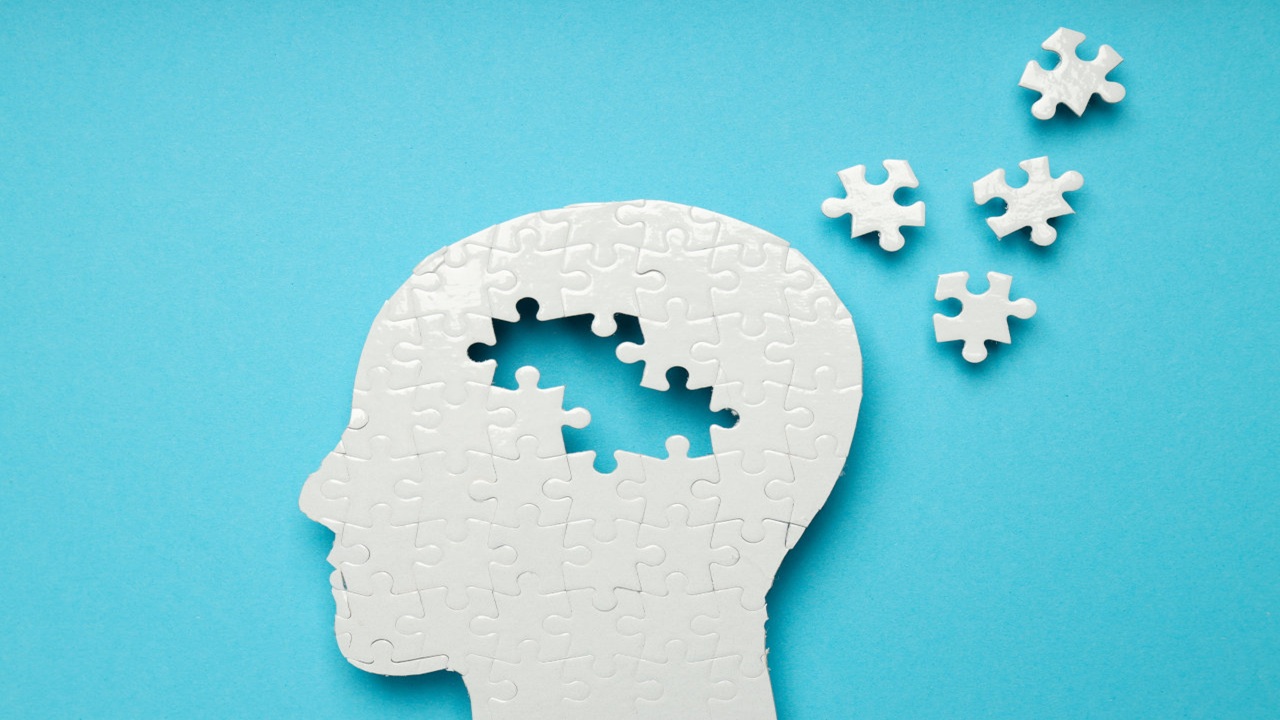
A new brain-imaging study adds to what researchers understand about how opioid addiction can affect the body. This time, findings point to the brain’s memory center. People with opioid use disorder had measurably smaller hippocampal volumes than people without it, and the difference was concentrated in one specific part of the structure.
The study was headed by Paul S. Regier of the University of Pennsylvania, along with co-author Nora D. Volkow of the National Institute on Alcohol Abuse and Alcoholism. The findings are early, but help explain a problem many people in recovery describe firsthand: trouble with memory and thinking.
The Status of the Opioid Crisis in the USA
The context for this work is a crisis that, while easing, remains severe. U.S. overdose deaths peaked in late 2023 at roughly 111,000 a year, with opioids contributing to more than two-thirds of those deaths. Deaths have since fallen to just under 80,000 in 2025, but overdose remains a leading cause of death for Americans aged 18 to 44, according to figures from the CDC and NIDA.
Beyond overdose, opioid use disorder is linked to worse physical health, higher risk of infectious and chronic disease, mental health conditions, and cognitive challenges. This study zeroes in on that last piece.
The Study’s Results
Researchers re-analyzed brain MRI scans from seven independent datasets, combining 94 participants who take opioids like cannabinoids and 40 without. Compared with the control group, people with opioid use disorder had significantly smaller hippocampal volumes on both the left and right sides of the brain.
The hippocampus is the brain region most associated with forming and recalling episodic memory, the memory of events and experiences. When the team looked closer, the difference was strongest in the back portion, the posterior right hippocampus. The front area didn’t show a significant difference after statistical correction.
In a smaller subset of participants who took standardized memory tests, larger hippocampal volume was linked to better memory accuracy in the control group. The researchers describe the brain differences as real but varied from one person to the next.
Understanding the Medication Findings
Nearly two-thirds of the opioid use disorder participants were on medications for opioid use disorders, with 31 taking methadone and 24 on buprenorphine; the remaining 35 weren’t on medication. In an exploratory part of the analysis, the methadone-treated group showed smaller posterior hippocampal volumes than both the control group and the buprenorphine-treated group.
This finding needs careful reading. It was exploratory, the subgroups were small, and the study can’t show that any medication caused the difference. The methadone group also enrolled during the fentanyl era of the crisis, while the no-medication group came from an earlier period, so exposure histories differed. The authors call for more research rather than any change in care.
That caution matters because medication assisted treatment (MAT) remains the most effective, evidence-based treatment for opioid use disorder. Decades of research show MAT reduces overdose deaths, cravings, and return to use. Some research even suggests that staying consistently on buprenorphine is associated with improvements in learning and memory over time.
Nothing in this study changes the strong case for medication treatment; it raises questions for scientists to investigate, not a reason to stop or avoid medications.
News for Those in Recovery
For people in recovery, the practical takeaway is reassuring rather than alarming. Memory and concentration problems in early recovery are common and have a biological basis. Recognizing that can ease some of the self-blame people feel when their thinking feels foggy. The brain also has real capacity to heal over time in recovery.
If cognitive challenges make meetings, work, or treatment harder, that’s worth raising with a clinician, not a reason to give up.
Treatment Options Remain
Whatever path someone chooses, staying alive and connected comes first. Naloxone (Narcan) reverses an opioid overdose and is available without a prescription in most states; carrying it can save a life. Fentanyl test strips can help people check for the synthetic opioid driving most overdose deaths.
Medication for opioid use disorder, counseling, and peer support all have a place, and they work well together.
Narcotics Anonymous (NA) is one widely used peer-support option, a free, 12-step program where people support one another in recovery from drug addiction. NA and medication treatment don’t conflict; many people use both.
Find Help Now
If you or someone you love is living with opioid addiction, there is a next step available right now. Use our directory to find NA meetings anywhere in the country, including in-person, online, and Spanish-language options. Or, simply dial 800-934-1582(Sponsored) to connect with opioid addiction treatment options.
the Take-Away