 800-861-9372

Narcotics can change the way neurotransmitters function, leading to the potential for tolerance, dependence, and addiction.
Narcotics Effects on Neurotransmitters
Get Help Now 800-934-1582
 Sponsored
Sponsored
While the highly addictive qualities of narcotics are well known, the mechanism behind this addiction reveals why people become addicted so quickly. It all traces back to the way these drugs affect the neurotransmitters in the brain. If abused for long periods of time, narcotics can have long-term consequences on a person’s psychological and physical well-being.
Brain Processes
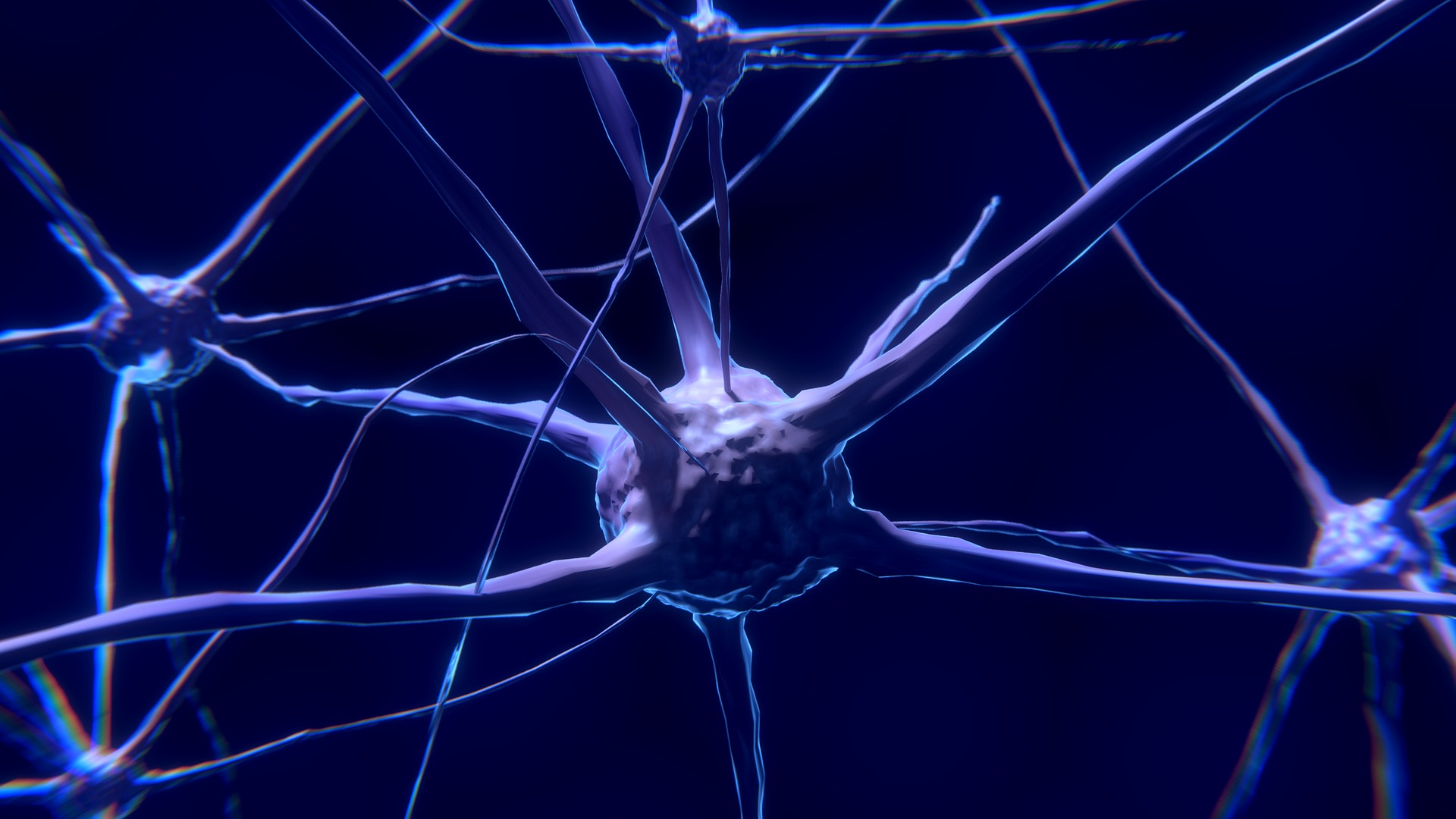
Over time, the brain will rely on narcotics to function properly.
The brain consists of billions of nerve cells called neurons. Neurotransmitter chemicals in the brain allow these neurons to communicate with one another. Every time a neuron secretes a neurotransmitter chemical, it sends messages to one or more parts of the brain. Narcotic effects occur when the drug binds to the brain’s opiate receptors, which reside on specific brain cells. When this happens, these cells secrete large amounts of endorphin chemicals that act as the body’s natural painkillers. Once released, these chemicals travel to other brain areas that regulate primary functions, such as moods, body temperature, breathing, and movement.
When someone takes narcotics, these cells react as if the body were under stress by releasing large amounts of endorphin chemicals. When used continually, narcotics start to impair normal brain function to the point where the body cannot function normally without drugs.
The Brain’s Reward System
Narcotics like heroin, morphine, and oxycodone bind naturally to the brain’s opiate receptor sites. The chemical structures of these drugs closely resemble those of endorphins. As a result, narcotics can mimic endorphin effects in the brain.
Endorphin chemicals and opiate receptor sites act as the major players in the brain’s reward system. Activating these areas creates a positive reinforcement in the brain and also throughout the body. Narcotics feed off of this system. Over time, the brain and body will require more and more of the drug to achieve the same desired results. This is called tolerance.
Every time a person experiences a drug “rush” or “high,” the brain’s reward system will require increasingly larger doses to experience the same narcotics effects. This process builds tolerance and drives the addiction cycle, making it easier to become addicted to the drug.
How Opioids Affect the Brain
Opioids work by altering and impairing a person’s brain chemicals negatively affecting brain function in various ways.Changes in Brain Chemistry
Narcotics affect the brain by altering its overall chemical balance and ability to function. As narcotics saturate the brain cells, other vital neurotransmitter chemical levels are affected. Drug effects also throw off another neurotransmitter involved with the brain’s reward system, called dopamine, as well as alter levels of GABA neurotransmitters. These transmitters are secreted in different areas of the brain, affecting various functions throughout the body.
Ongoing use of narcotics can cause long-term damage to neurotransmitter functions. Over time, cells inside the brain stem suffer permanent changes that impact automatic bodily functions such as breathing, body temperature, and heart rate. A person’s emotional status also suffers damage, especially in cases where a person stops using drugs and experiences withdrawal. Depleted supplies of needed endorphin chemicals can leave a person in a perpetual state of fatigue and even depression.
For more information on how narcotics affect the brain, or for help finding an addiction treatment program, call 800-934-1582(Sponsored) today!
the Take-Away