 800-861-9372


Awareness is up. New remedies are in the works. But the stats related to the opioid epidemic are still staggering.
- Opioids were involved in nearly 50,000 overdose deaths in 2019.
- In 2019, 7 million people misused prescription pain relievers.
- In 2020, U.S. doctors wrote more than 142 million opioid prescriptions. (In some counties, they wrote enough prescriptions for every single person to have one.)
It’s a vicious cycle. Opioids are overprescribed. People take them for chronic pain. They build a tolerance. And far too many ultimately end up addicted to the drugs.
Stop the Cycle of Opioid Addiction
How does this cycle end? Perhaps by finding new remedies for pain management. Remedies that aren’t addictive.
That’s exactly what researchers like Olivier Civelli hope to do.
Civelli is a professor of pharmaceutical sciences at the UCI School of Pharmacy and Pharmaceutical Sciences and is heading up research on the use of Corydalis yanhusuo.
Is Corydalis Yanhuso an Effective Medicine to Fight Opioid Addiction?
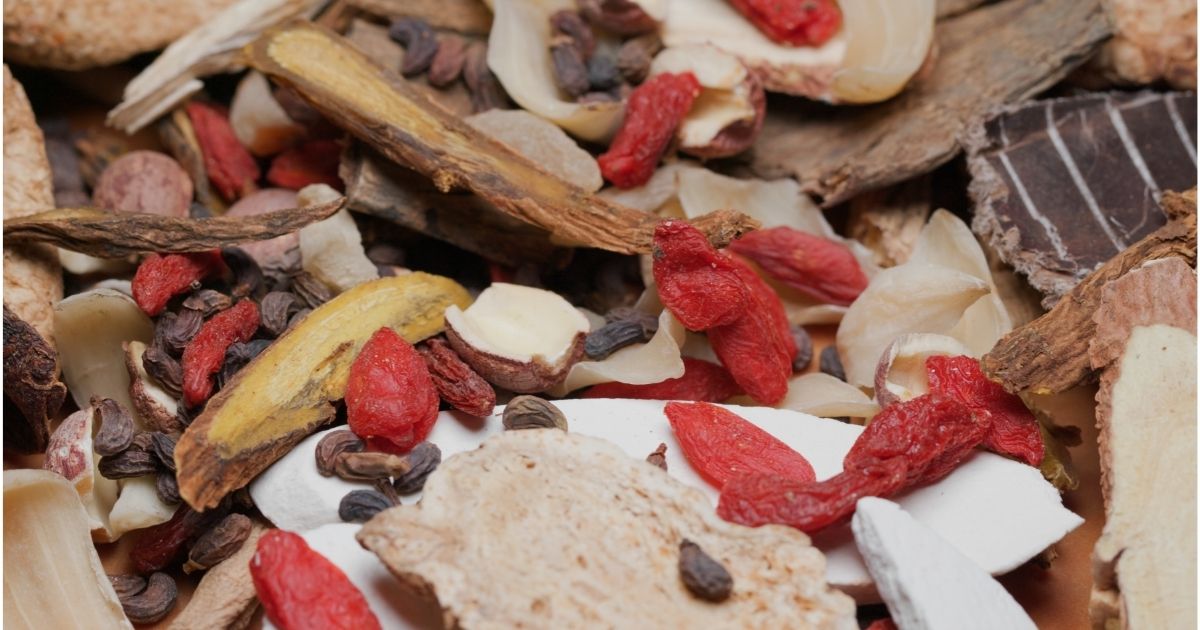
Corydalis yanhusuo is a traditional Chinese herbal medicine. The extract of this plant, YHS, has long been used in Asian countries for the treatment of various conditions, including pain.
 Western researchers are now looking to this herbal remedy for a potential solution to the opioid epidemic. And the results of their studies are promising.
- It Relieves Pain
Researchers looked at the compound’s effectiveness at alleviating pain and found the herbal medicine to be effective. Because it appears to be nonaddictive, this could be a game changer for pain management. If doctors can prescribe a remedy that is both effective and nonaddictive, we could see a reduction in opioid prescriptions that may turn the tide on the opioid epidemic.
- It Reduces Addiction
Research also shows that the extract may prove helpful in reducing or preventing addiction. Civelli’s study looked at the addictive properties of morphine in mice. The research revealed that the plant extract can help curb these addictive properties. It blocks the development of morphine tolerance and dependence. Because morphine is an opioid, this suggests it would have similar results for other drugs in the opioid family, whether synthetic or natural. It might be possible to combine this extract with methadone treatments to make them more effective, or to provide the extract to patients who are on extended opioid treatments for pain. The results? The extract may help reverse current dependence and prevent future tolerance build-up that leads to new addictions.
Creating a Tool to Prevent Addiction and Overdoses
Civelli is hopeful that this research will lead to the creation of a tool that prevents addiction and overdoses. Of course, there is a long road ahead. His study was conducted on mice, and the extract will need to be tested in human trials to confirm it effectiveness. Civelli’s goal was to get the ball rolling. He wanted to establish a concept and produce results that would compel others to take the research further, to human trials.
Researchers note that the extract is currently readily available and has proven to be safe in other uses. This could help speed along the process and development of clinical trials.
Next Steps
Further research is needed. For Civelli, the next step is to look into the compound in more depth. What is it about the extract that makes it helpful to prevent addiction? How exactly does it prevent drug tolerance?
And, more research is necessary to learn more about opioids. “Why is it when people take an opioid that they need to take more and more to feel the effects?” Civelli asks.
If we can discover what is going on with the interaction between these drugs and the body, we can unlock the answer to a better way to treat pain. And that could be the secret to ending the opioid epidemic.
If you or someone you love is experiencing a substance use disorder, help is available. Call 800-934-1582(Sponsored) today.

“When will things ever get easier,” Samantha wondered aloud. Thanks to this pandemic, she couldn’t interact with anyone for four more weeks! That’s an eternity. Samantha knows if she doesn’t have support for a single day, it feels like she’s on the verge of kissing her six weeks of sobriety goodbye. “Guess it’s time to see what these virtual NA meetings are all about.”
Whether it’s due to quarantine, car trouble, or childcare issues, many people find it hard to attend in-person Narcotics Anonymous (NA) meetings – but they need them.
For all the downsides of the Covid-19 pandemic, one bright spot has been the upsurge in online resources. Now, it’s pretty darn simple to attend an NA meeting without even leaving your house. And just like in-person meetings, these virtual meetings offer crucial support and encouragement to stay clean and sober.
How Virtual Support Groups Work
Here’s a look at how these online 12-Step meetings offer help:
- Learn how to cope: Get insights from others who have been where you are. There ARE healthy ways to deal with your emotions and stress. But they aren’t always intuitive. You have to learn the best strategies to use. Learn about them by attending a virtual meeting.
- Fight urges: How can you deal with triggers? What’s the best way to fight urges when they hit you out of nowhere? Virtual NA meetings can help you learn how to deal with these challenges. You’ll learn new insights and pick up new skills that will help you overcome even the strongest urges.
- Stay motivated: We all need encouragement. And we could use fresh ideas to stay motivated. With virtual NA meetings, you can learn new ways to keep yourself on the right track and receive encouragement from others to help you stay there. It’s good to have cheerleaders in your corner, and virtual NA meetings can help you find this support, no matter where you are physically.
- Get plugged in: You don’t have to do this alone. And you shouldn’t try to. Virtual NA meetings give you access to a strong recovery network. They plug you into resources and support that will help you maintain sobriety and allow you to thrive in the clean-and-sober life. Virtual meetings remove many challenges and barriers so you can reach out and get the help you need.
The Convenience of Virtual 12-Step Meetings
And what may be the biggest help of all? You can get all the support you need from anywhere in the world – as long as you have an Internet connection.
Virtual NA meetings offer all the above benefits of in-person meetings, but offer additional advantages.
- They work with tight schedules: No drive-time needed. Plug into a virtual NA meeting between other responsibilities of work and home. And with meetings across the nation, it’s easy to find one at all different times of day.
- They don’t require transportation: Don’t have a car? Unable to drive? Don’t want to get out during bad weather? No problem. Attend a virtual NA meeting from home.
- They don’t require childcare: Access support without finding a babysitter. You can be at home with your kids and get the help you need, with virtual NA meetings.
- They don’t require masks: Virtual meetings are perfect for those who need to follow COVID-related restrictions. Remain a safe distance while connecting when you need support most.
- They are available everywhere: Whether you’re traveling or are living in a rural area with limited in-person options, virtual NA meetings are a great way to get support anywhere in the world. Simply plug in on your favorite device and find a meeting to attend online.
Find a Virtual NA Meeting Near You
Not a tech guru? No worries. All you need is a phone, computer, or tablet to access a virtual NA meeting. Most virtual NA meetings use Zoom, Skype, or other simple video-based programs to run the meetings. These systems are easy to install on your device, and they walk you through everything step by step – so you can access virtual NA meetings in no time.
Plus, Narcotics Anonymous has a helpful directory and an easy-to-use app to help you find and attend a virtual meeting. (Android users get the app here.) You can even start your own virtual NA meeting. Here’s the scoop on how to go about doing that.
The organization has also set up a help page to provide more virtual meeting resources. With these convenient online options, it’s never been easier to get the support you need.
For information about treatment options for you or a loved one, call 800-934-1582(Sponsored) today.
Images Courtesy of Pixabay
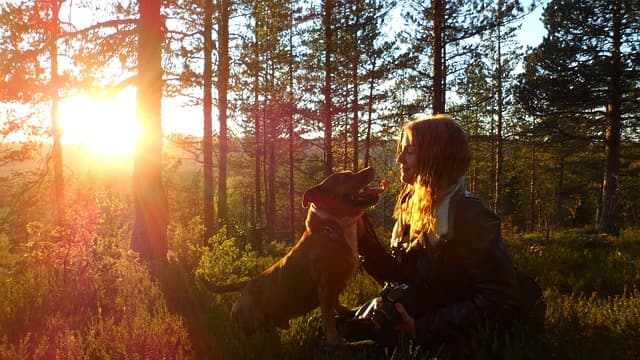
From trained therapy dogs to spoiled lap dogs, there’s no doubt our canine pals are amazing. And without the strength and love of my dog, I never could have overcome opioid addiction.
Some dogs play vital roles in assisted therapies, while others are tasked with jobs like searching for drugs, tracking the scent of a missing person, or alerting parents of a child’s oncoming seizure. More often than not, however, dogs serve as (wo)man’s best friend – loving us unconditionally and without an ounce of reservation.
I owe my life – and my sobriety – to Barley, a now 15-year-old Beagle/Schnauzer mix who renewed my belief in love, loyalty, and our possibilities. One look at his fuzzy little face and I melt.
Inseparable Friends
Like most wonderful things in life, I found Barley by chance. It was literally a case of being in the right place at the right time. I was minding my own business when this scruffy little 5-week-old puppy came bounding up to me…and I instantly fell in love.
 I went door-to-door in search of anyone who might know his owner. When I finally tracked this person down, the poor living conditions shocked me. I clearly remember thinking, “No wonder Barley ran away from this place.”
I could feel tears welling up in my eyes and a quickly growing sense of anger stirring in my spirit. “I don’t care what it takes, there’s no way I’m leaving him here. I’m going to rescue this dog,” I said to myself.
In chatting with the “owner,” it was clear she didn’t care about this precious pup. She said I could “have the damn mutt” if I wanted him. Before she could get out another word, I scooped Barley up, quickly walked away, and never looked back.
Once we got in my car, Barley jumped over the console and into my lap. I looked down and told him, “We’re going home, okay?” He immediately turned his head to the side, stood up on his hind legs, and laid his face on my neck. He knew he was safe. He knew he’d been rescued.
I grew up around dogs my whole life, but Barley was special. He’s the first dog I owned as an adult and, since I lived on my own, I could keep him inside. This sweet rescue dog won my heart, and I never went anywhere without him. We were absolutely inseparable…at least until drugs took over my life.
Loving (and Neglecting) My Best Friend
Like many other people, I started taking prescription opioid painkillers to treat a legitimate injury. In just a few short months, I developed a severe dependency on Vicodin. I was in over my head and, deep down inside, I knew it.
When you’re addicted to opioids, the bulk of your time is spent feeding that addiction. Every day, without fail, my only goal was to avoid withdrawal symptoms. I neglected my family, my friends, my job, my health – and my dog.
I often left Barley with my brother for two and three days at a time. Before I started abusing opioids, I would have been beside myself if I hadn’t seen my best buddy for a whole day, much less two or three. When I wasn’t dropping Barley off with family members, I was sleeping, working, or out looking for more pills.
I’d drive around with my poor dog in the passenger seat, riding shotgun while I was on a mission to find more drugs. And on these Vicodin-fueled trips, Barley would sit to my right, his head proudly stuck out the window, ears flapping in the wind, and nose working overtime to process scents in the air. He was so happy and content to be with me. But I was too sick to see it and too lost in addiction to care.
What an absolute waste of precious time.
Breaking My Opioid Addiction
My addiction to opioid painkillers spanned the better part of two years. And then one day, quite out of the blue, I decided it was time to get sober. I found an outpatient addiction treatment program that offered the specific therapies I needed, called them up, and made my first appointment. It’s the best decision I ever made for myself.
 I took my recovery seriously and gave it everything I had to give. I understood that, if I didn’t break the shackles of my addiction, I’d never make it out alive. I honestly couldn’t bear the thought of relapsing.
After a few months went by, my body was rid of the drugs and the withdrawal sickness. Physically I felt wonderful; mentally I was a mess. I just felt so lost and incredibly unsure of my place in the world.
No matter where I went, I was sure that everyone saw me and knew my dirty little secret. I was an addict in recovery, and I was scared out of my mind.
Why would anyone want to be my friend? How could I ever make up for all the pain I caused? Who would ever want to love someone like me?
And then the answer licked me in the face.
My dog, my Barley, never ever left my side. My precious dog loved me no matter what kind of disease I was fighting. Every day that I didn’t have the self-esteem or courage to show my face to the world, Barley could sense it. And he would bounce around, pawing and prodding me to take him outside. He’d take his wet nose and push me, quite literally, out of the bed.
Looking in his eyes, I knew exactly what he was trying to say:
“Look mom, I love you. I’m here for you. Now get your butt up, stop feeling sorry for yourself, and let’s go live this day to the fullest.”
Embracing Life After Opioid Addiction
Believe it or not, after a few weeks of simply walking my dog and being present in the moment, my whole demeanor changed. And the miracle is that, once I began to go outside, soak up the sunshine, and breathe in the fresh air, I wanted more out of life – more out of myself.
It no longer satisfied me to hide in the house and punish myself for the mistakes of my past. I still had the support of family and real friends. I stopped worrying about things that didn’t matter. I let go of the fear and chose to embrace every day.
For too many years, I walked around believing I rescued Barley. The truth is he rescued me as much as I rescued him.
I am alive and sober today, and I owe it all to my best friend. My Barley.
Images courtesy of Pixabay and Nikki Seay