 800-861-9372

Overdosing on narcotics can cause a person’s death if help is not found in time. Knowing the symptoms of overdose is essential if you or someone you love is taking a narcotic substance.
Recognizing the Narcotic Overdose Symptoms
Get Help Now 800-934-1582
 Sponsored
Sponsored
If someone you know is taking narcotics for pain, you must be aware of and be able to recognize the symptoms of narcotic overdose. According to the Centers for Disease Control, in 2024, nearly 80,000 people lost their lives to a drug overdose. Knowing the symptoms of a narcotic overdose could save someone’s life.
How Do People Overdose on Narcotics?
People who are taking narcotics for pain can sometimes develop a tolerance to the drug. For this reason, they may start to take it more often or at higher doses to feel the effects of the narcotics, easily leading to overdose. It is important to remember that a person does not necessarily need to have tolerance or an addiction to the drug to overdose.
Even those who have undergone narcotic detox have a high risk of overdose. According to the NLM, “those who have just gone through withdrawal can overdose on a much smaller dose than they used to take” in the event of a possible relapse. This last scenario is the cause of most opiate-related deaths.
Signs of Narcotic Overdose

Drowsiness and fatigue are signs of a narcotic overdose.
Symptoms of narcotic overdose to be aware of include:
- “Constricted (pinpoint) pupils.”
- Clammy and cold skin
- Slowed breathing
- No breathing
- Drowsiness or unresponsiveness
- Fatigue
- Confusion
- Convulsions
Overdose is often the most dangerous result of narcotic abuse and addiction. In fact, many people do not realize that some of these drugs are so potent that a single dose can be lethal to an inexperienced user. This means that, in the case of a very potent narcotic like heroin, a person can overdose on their first use.
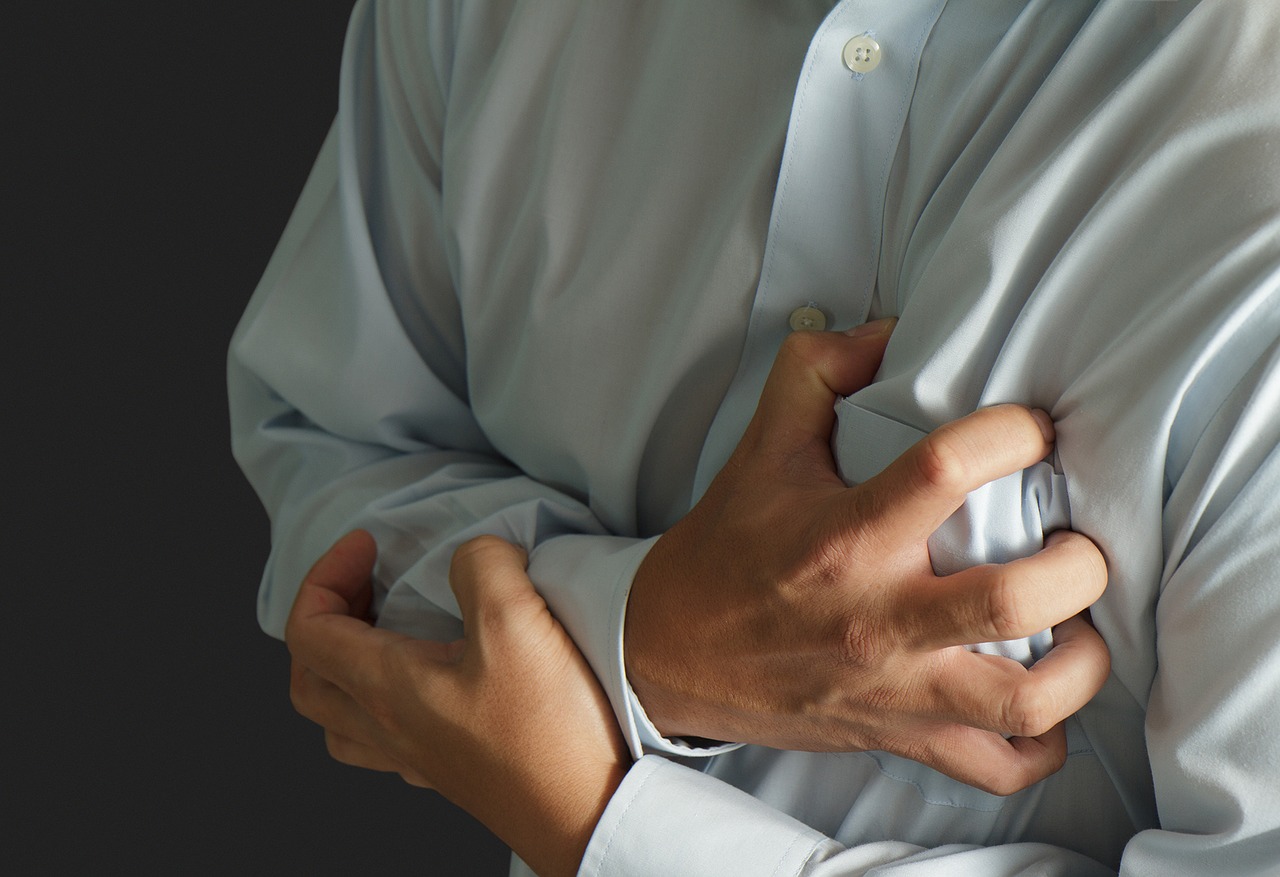
Narcotics Overdose Dangers
There are numerous dangers associated with a narcotics overdose, the top two being coma and death. Narcotics are sedative drugs, such as opiates, that cause a person to feel extremely relaxed while sending a surge of euphoria throughout the user’s body.
What to Do If Someone You Know Overdoses on Narcotics
If you suspect someone has overdosed on a narcotic, act quickly. If Narcan, the drug that reverses the effects of opioids, is available, give it immediately and call 911. Stay with the person; if they are unconscious, put them in the rescue position (on their side) and monitor their respirations. Should the person stop breathing, start CPR. Always remain with the person until first responders arrive. If you can, let first responders know what substance they may have overdosed on and any pertinent health history.
If you or someone you love is at risk of narcotic overdose, call 800-934-1582(Sponsored) now to find the best treatment programs in your area.
the Take-Away