 800-861-9372

For anyone touched by opioid addiction, whether personally or through someone they love, the statistics are both heartbreaking and familiar. Too many pain journeys end not in recovery, but in dependence, overdose or death. Now, a wave of new treatments and federal policy shifts are aiming to break that cycle before it begins. The Opioid …
Opioid Addiction Crisis Spurs New Non-Opioid Pain Treatments
Get Help Now 800-934-1582
 Sponsored
Sponsored
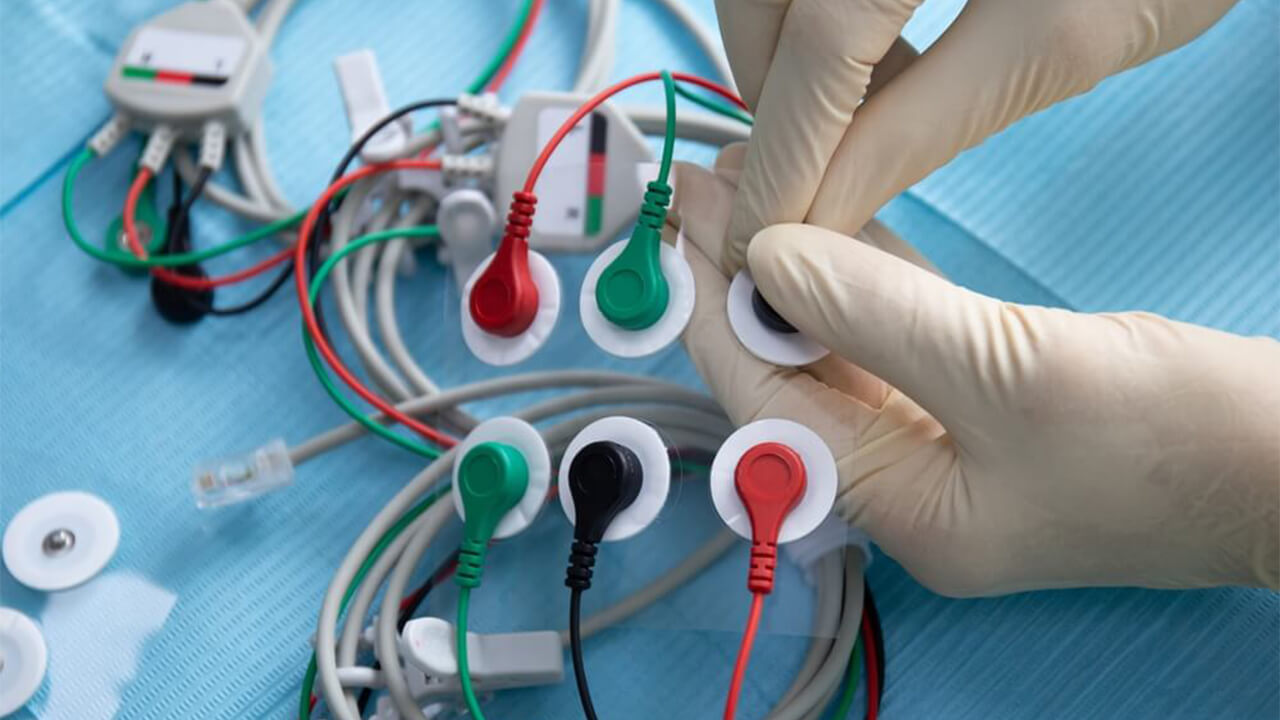
For anyone touched by opioid addiction, whether personally or through someone they love, the statistics are both heartbreaking and familiar.
Too many pain journeys end not in recovery, but in dependence, overdose or death. Now, a wave of new treatments and federal policy shifts are aiming to break that cycle before it begins.
The Opioid Crisis by the Numbers
Overdose deaths remain staggering. According to the CDC, roughly 79,384 people died from drug overdoses in 2024, a 26.2% drop from the more than 110,000 deaths recorded in 2023.
Progress, yes, but not nearly enough. In the 12-month period ending August 2025, approximately 73,000 people still died from overdoses.
Beyond fatalities, more than 40 million Americans reported struggling with a substance use disorder in 2024.
For families searching for help, those numbers represent real people, parents, siblings, children, many of whom first encountered opioids through a legitimate prescription for pain.
How Opioid Abuse Begins with Pain Treatment
The opioid epidemic didn’t emerge from a vacuum. It grew, in large part, from a healthcare system that defaulted to opioid prescriptions as the primary answer to pain.
For decades, the American approach to pain management has been caught in a dangerous paradox. Prescribing addictive opioids to treat injury, only to create a secondary crisis of addiction.
This is particularly acute after procedures like spine surgery, where many addictions arise from high opioid use in the first days of recovery, a window when patients are vulnerable and alternatives have historically been limited or not covered by insurance.
Fentanyl’s Role in Driving Overdose Deaths
The ongoing death toll is largely driven by synthetic opioids like fentanyl. Fentanyl is estimated to be 50 to 100 times more potent than morphine, and it now contaminates the broader illicit drug supply.
This means people struggling with heroin addiction or other narcotic addiction are frequently exposed to it unknowingly.
Naloxone (brand name Narcan) remains the frontline life-saving response to opioid overdose.
It is available without a prescription at most pharmacies and through harm reduction programs.
If someone in your life is using opioids, prescribed or otherwise, having naloxone on hand can mean the difference between life and death.
What’s Driving the Change in Pain Management
President Trump’s January 2025 executive order establishing the “Great American Recovery Initiative” builds on two key federal actions, the HHS Pain Management Best Practices Inter-Agency Task Force and the bipartisan No PAIN Act.
The No PAIN Act expands and incentivizes Medicare coverage for non-opioid pain treatments in surgical settings, directly addressing the financial barrier that has historically made opioids the default, cheaper choice.
The goal, advocates say, is to prevent opioid addiction from starting in the first place, treating pain without creating the conditions for dependence.
New Non-Opioid Treatments Showing Promise
Several promising alternatives are now moving from research into real-world use. In early 2025, the FDA approved Journavx (suzetrigine), a first-in-class non-opioid oral medication that targets pain-signaling sodium channels in the peripheral nervous system rather than the brain.
It’s an approach that offers acute pain relief without the addiction risk associated with opioids.
Electrical therapies are also advancing, including closed-loop spinal cord stimulation, peripheral nerve stimulation and Basivertebral Nerve Ablation.
These systems use low-voltage electrical currents to interrupt pain signals, improving function and quality of life while reducing opioid exposure and healthcare utilization.
These technologies won’t undo existing opioid addiction, but they represent a real chance to reduce the pipeline of new cases.
Finding Help for Opioid Addiction
If you or someone you love is already struggling with opioid or narcotic addiction, treatment works, and peer support through Narcotics Anonymous is one of the most accessible entry points to recovery.
Search Narcotics.com’s directory of NA meetings to find an option near you. You can also call 800-934-1582(Sponsored) to speak with a treatment advisor today.
the Take-Away