 800-861-9372

Narcotic painkillers have addictive properties and can be dangerous to take. There are pain medications that are non-narcotic, and these are much safer in most cases.
Do Non-Narcotic Pain Meds Exist?
Get Help Now 800-934-1582
 Sponsored
Sponsored
The most common non-narcotic pain meds including aspirin, acetaminophen, and NSAIDs (Non-Steroidal Anti-Inflammatory Drugs), exist under a variety of brand names. Their abilities to control certain types and levels of pain, however, may be limited. According to the National Institutes of Health (NIH), “Some types of pain respond better to one kind of medicine than to another kind.”
We can help you find addiction treatment. Call 800-934-1582(Sponsored) toll-free today.
Acetaminophen
Acetaminophen is an analgesic and fever reducer most commonly known as Tylenol and available without a prescription. Acetaminophen provides pain relief for the most frequently experienced mild to moderate pain issues, such as headaches and body aches. Although extremely beneficial, it can be dangerous if taken in high doses. The Mayo Clinic’s recommended maximum dose per day is 3,000 mg per 24 hours because anything higher can lead to impaired liver and renal function.
Acetaminophen toxicity has been linked to numerous liver diseases and failures requiring nearly as many liver transplants in the United States as alcohol.
Aspirin
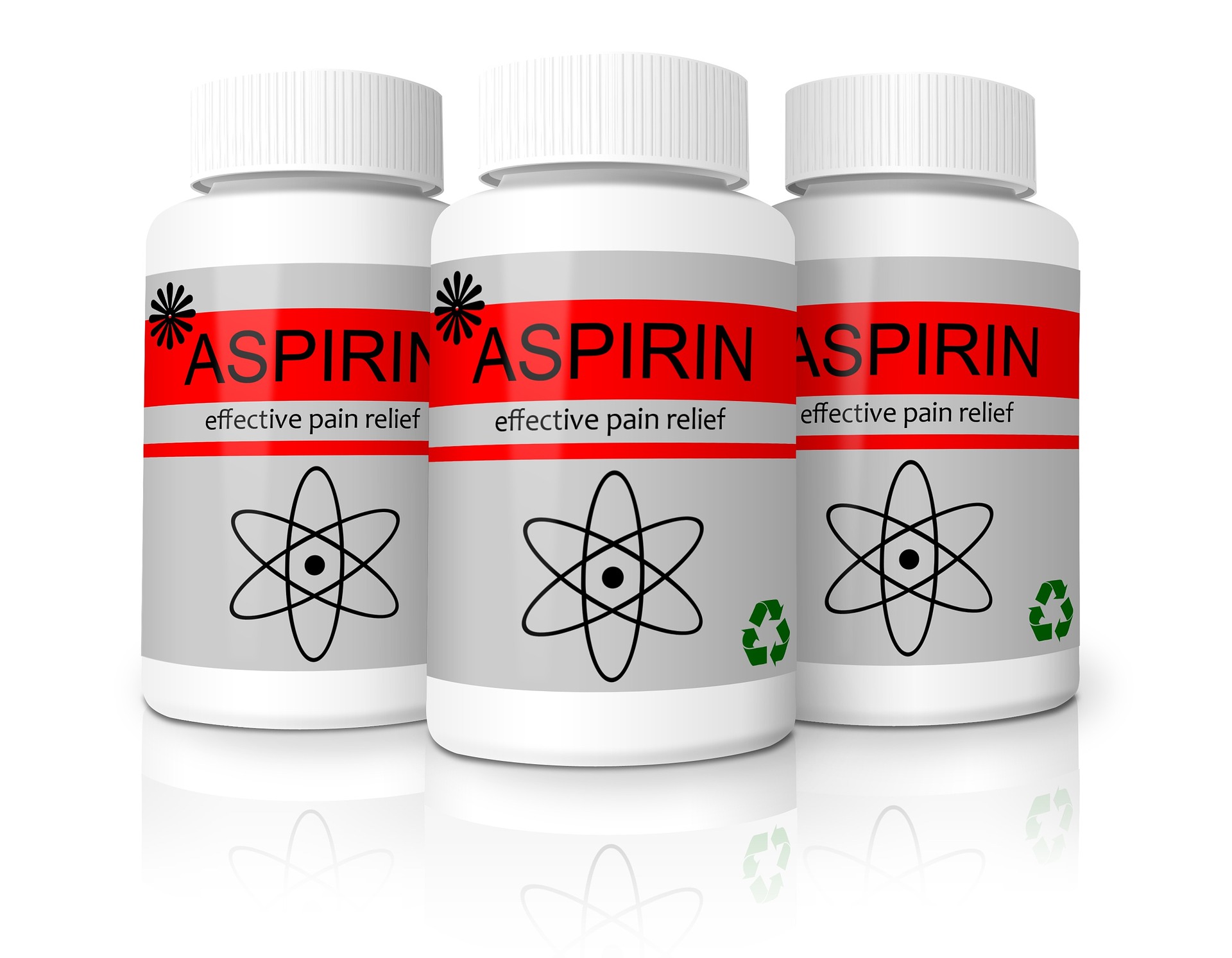
Advil and other similar products are actually non-narcotic pain meds.
Aspirin is perhaps one of the oldest non-narcotic pain medications that relieves minor aches and pains, reduces fever and inflammation. It belongs to a class of drugs called NSAIDs. Aspirin is well tolerated by many individuals; however, it can cause swelling and carries an elevated risk of gastrointestinal ulcers, unusual bleeding and ringing in the ears.
Aspirin should be used with caution, especially when taking other medications, and is not recommended for chronic pain conditions. Furthermore, it is not recommended to treat high fever in children, such as exists with the flu or other viruses, due to an increased risk of developing Reyes Syndrome, a potentially fatal condition impacting the brain and liver.
NSAIDs
There are several different types of NSAIDs, all of which are used to treat different types of pain. The most common over-the-counter (OTC) NSAIDs, in addition to aspirin, are ibuprofen and naproxen, such as in Advil, Motrin or Aleve. According to the NIH, “When taken for a short time (no longer than 10 days), NSAIDs are safe for most people.”
Before using any OTC NSAID pain reliever, you should check with your physician for current medication interactions. Aspirin use carries the risk of developing ulcers or gastrointestinal bleeding and can cause an increased risk of bleeding when taken along with blood thinners. You should always check with your doctor before taking an NSAID, especially if you have heart, liver or kidney disease.
Treatment can help you overcome addiction. Call 800-934-1582(Sponsored) toll free to find help today.
Other Non-Narcotic Pain Meds
Other non-narcotic pain meds may include muscle relaxers, anticonvulsants, antidepressants, neuroleptics and anti-arrythmics (beta-blockers).
In January 2025, the FDA approved a new medication called Journavx or suzetrigine. It is a first-in-class non-opioid analgesic that is used to treat moderate to severe pain in adults. It works differently from other pain medications as it targets the sodium channels in the peripheral nervous system, blocking the pain signal before it reaches the brain. According to the acting director of the FDA’s Center for Drug Evaluation and Research, Jacqueline Corrigan-Curay, J.D., M.D., this approval is “an important public health milestone in acute pain management… it offers an opportunity to mitigate certain risks associated with using an opioid for pain and provides patients with another treatment option.”
For more information on non-opioid treatment for pain, see: Non-Narcotic Pain Relief
the Take-Away