 800-861-9372
Washington state’s Native communities are confronting a fentanyl and opioid addiction crisis with one of the most reliable life-saving tools available, naloxone. Overdose death rates among American Indian and Alaska Native populations continue to outpace every other demographic in the United States. Expanded access to the overdose-reversing medication is offering a critical line of defense …
Naloxone Reaches Washington Native Communities Hit Hard by Opioid Addiction
Get Help Now 800-934-1582
 Sponsored
Sponsored
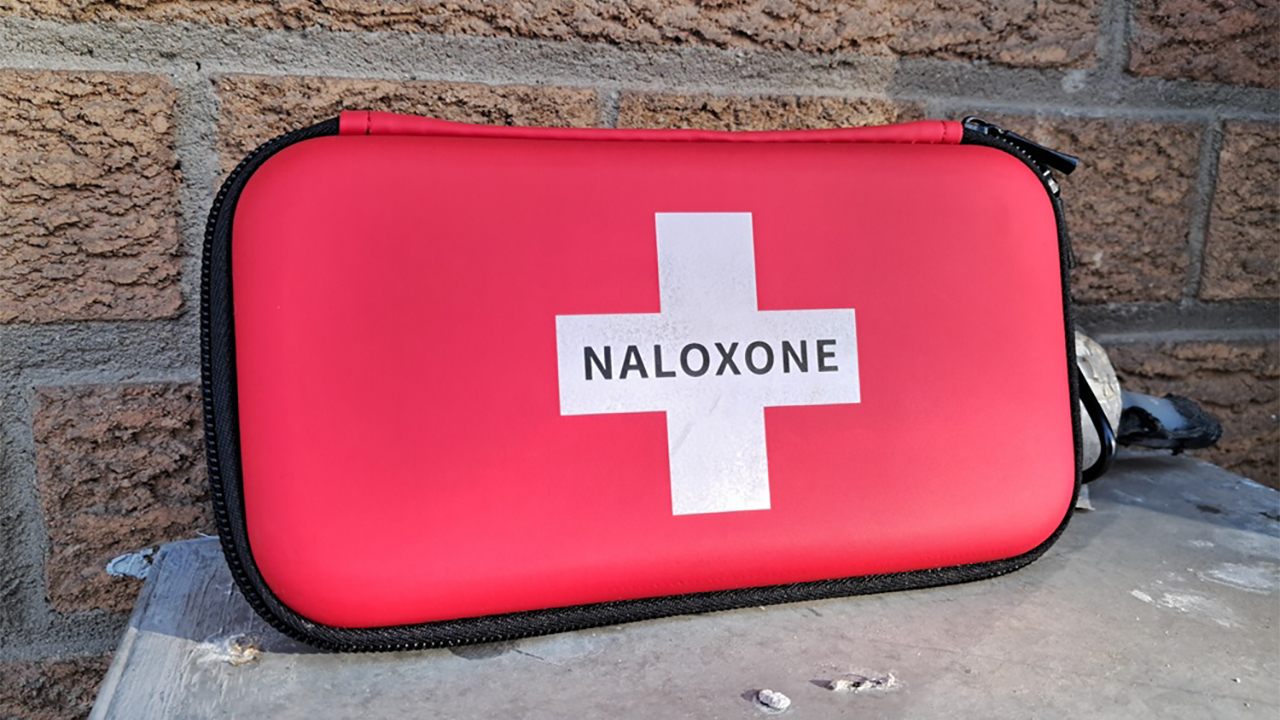
Washington state’s Native communities are confronting a fentanyl and opioid addiction crisis with one of the most reliable life-saving tools available, naloxone.
Overdose death rates among American Indian and Alaska Native populations continue to outpace every other demographic in the United States.
Expanded access to the overdose-reversing medication is offering a critical line of defense while tribal leaders push for deeper, culturally grounded treatment solutions.
The Opioid Crisis by the Numbers
The scope of opioid addiction among Native populations is staggering. The American Indian and Alaska Native population has the highest drug overdose death rates in the country.
Statistics show a 33% increase in drug overdose deaths recorded between 2020 and 2021, according to the Centers for Disease Control and Prevention.
Washington state reflects these national trends with alarming clarity. Roughly 65% of all drug deaths in Washington involved synthetic opioids, primarily fentanyl, totaling more than 1,700 deaths in a single year, according to the University of Washington’s Addictions, Drug and Alcohol Institute.
Last year also marked King County’s deadliest year ever for fatal overdoses, with more than 700 involving fentanyl. The human cost inside tribal communities has been devastating.
Lummi Nation Chair Tony Hillaire spoke at the Washington State Tribal Opioid/Fentanyl Summit about the losses his community has endured.
He noting that five members died of fentanyl overdoses in just one week, a crisis severe enough that Lummi leaders declared a state of emergency. “We don’t want to normalize the burying of our children,” Hillaire said.
Fentanyl’s Role in the Native Community Crisis
Fentanyl, a synthetic opioid roughly 50 times more potent than heroin, has proven a particularly difficult threat for tribal communities to address, straining existing clinics and treatment options across Washington and in some cases creating long waitlists for care.
The roots of opioid addiction in Native communities run deep. Indigenous families have confronted substance use disorders for decades as a downstream consequence of centuries of violence, forced family separation, boarding school trauma and the deliberate destruction of tribal economies.
All factors that increase vulnerability to addiction. Poverty, housing insecurity and chronic underinvestment in tribal health infrastructure have compounded that vulnerability as fentanyl moved in. If you or loved one need support with narcotics addiction recovery, you can explore numerous NA meetings in Washington.
Naloxone Distribution Reaches Native Communities
Washington’s state health agencies have moved aggressively to get naloxone, the medication that reverses opioid overdoses, into the hands of people most at risk.
In fiscal year 2025 alone, Washington’s Overdose Education and Naloxone Distribution (OEND) program and its partners distributed approximately 365,306 naloxone kits and held 76 training events reaching more than 1,500 individuals.
Critically, the state’s mail-order naloxone program has proven especially effective at reaching Native populations.
American Indian and Alaska Native community members are more likely to receive naloxone through the mail-order program than through other distribution channels.
Tribes, tribal organizations and Urban Indian Organizations can also request naloxone directly through a dedicated Tribal Naloxone Request Form administered by the Washington State Department of Health.
Still, advocates are clear that naloxone alone cannot solve the opioid addiction crisis. As one addiction specialist at UW Medicine put it, naloxone reverses an overdose for only 30 to 90 minutes, it is a critical intervention, but treatment, support and destigmatization must follow.
What’s Driving the Push for Culturally Grounded Treatment
Tribal health providers in Washington have long argued that opioid addiction treatment works best when it integrates Indigenous cultural traditions alongside Western medicine.
Organizations like the Seattle Indian Health Board use a model called Indigenous Knowledge Informed Systems of Care, blending modern treatment protocols with traditional practices and culturally attuned care, an approach that has produced meaningful results even in the fentanyl era.
Tribal leaders, health providers and state officials broadly agree that more funding is needed, particularly in Native communities, to staff health care centers, open more inpatient beds, expand medication-assisted treatment centers and ensure wider access to naloxone.
At the federal level, the National Institutes of Health has taken notice. NIH launched a dedicated program to advance substance use research led by Native American communities, with a second phase of expanded capacity-building research anticipated to begin in fall 2026.
Understanding Opioid Addiction and Naloxone
Opioid addiction is a chronic, relapsing medical condition driven by dependence on substances such as heroin, fentanyl, prescription painkillers like oxycodone and methadone.
Fentanyl, now the dominant driver of overdose deaths nationally, is particularly dangerous because it is often mixed into counterfeit pills and other substances without the user’s knowledge, making every use a potential overdose risk.
Naloxone (brand name Narcan) is an FDA-approved medication that rapidly reverses opioid overdose when administered as a nasal spray or injection, and is available without a prescription in Washington state.
Opioid Addiction Treatment Options
For anyone struggling with opioid addiction, multiple treatment options exist. Narcotics.com provides a directory of NA meetings, including in and near tribal communities. You can also call 800-934-1582(Sponsored) to receive additional support today.
the Take-Away