 800-861-9372
The Bay Area Rapid Transit system, the largest public transportation network in the region, has emerged as one of the most visible arenas of California’s opioid epidemic. As opioid overdoses mounted onboard BART, the agency began equipping officers and staff with naloxone kits. It’s a harm reduction measure that has since become central to how …
Naloxone Kits Have Reversed 400+ Opioid Overdoses on BART
Get Help Now 800-934-1582
 Sponsored
Sponsored
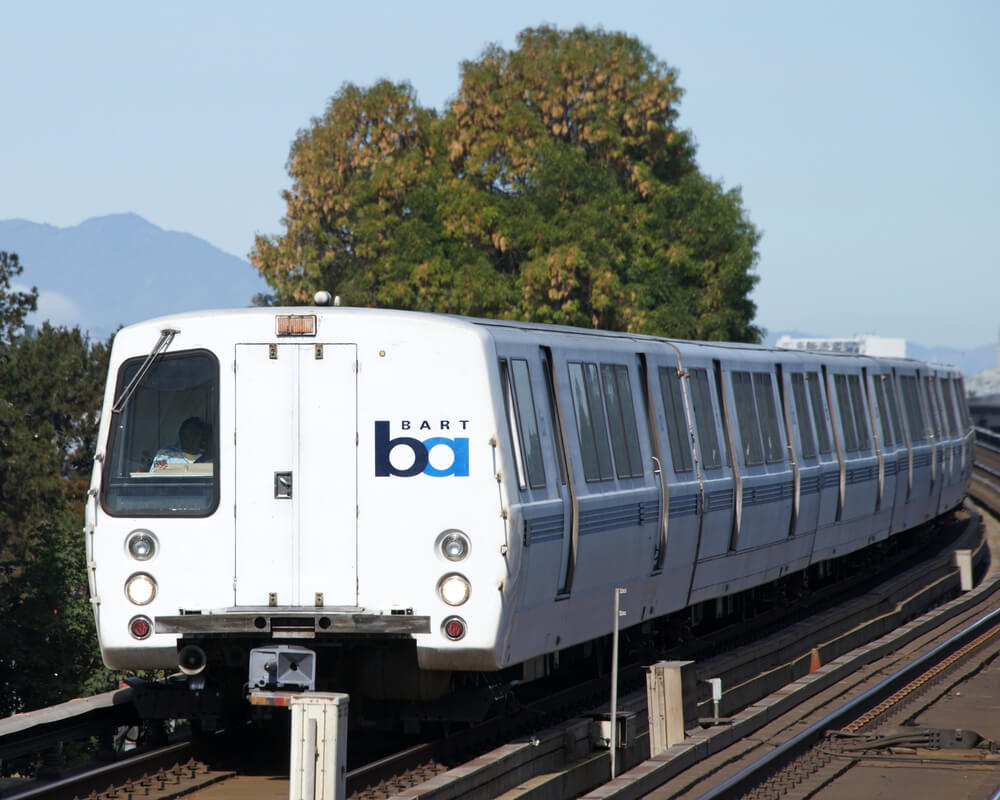
The Bay Area Rapid Transit system, the largest public transportation network in the region, has emerged as one of the most visible arenas of California’s opioid epidemic. As opioid overdoses mounted onboard BART, the agency began equipping officers and staff with naloxone kits.
It’s a harm reduction measure that has since become central to how the system responds to the crisis. For thousands of daily riders, encountering opioid use and its consequences has nonetheless become a routine part of the commute, and for many, a reason to stop riding altogether.
The Opioid Crisis by the Numbers
More than 19 overdoses occurred on BART property in 2023 alone, according to reporting by The San Francisco Standard. It’s a figure already on pace to surpass the overdose death count from 2022.
The crisis continued into late 2025, when two passengers suffered narcotics overdoses on separate BART trains in the East Bay within a 48-hour window. Ridership has suffered alongside public health, with CBS News reporting a measurable decline in BART passengers in 2023 driven by commuter concerns over safety and the growing frequency of opioid-related medical emergencies.
How BART Naloxone Kits Are Saving Lives
BART first introduced naloxone nasal spray, commonly known by the brand name Narcan, in May 2019. Since then, the agency has significantly expanded the program, equipping officers and frontline staff with BART naloxone kits as standard gear.
According to ABC 7 News, deployments have grown more than sixfold over three years, rising from 29 in the first year to 188 annually. By March 2024, those interventions had successfully reversed more than 400 overdoses on BART premises.
To sustain that response capacity, BART reports that all police officers now receive formal training in naloxone administration. The kits are kept in officer toolkits at all times, ensuring a reversal agent is available anywhere on the system when an overdose occurs.
The agency has also expanded its corps of Crisis Intervention Specialists, which are trained staff focused on connecting people experiencing opioid use disorder with treatment resources rather than defaulting to arrest.
Fentanyl’s Role in the Transit Crisis
Fentanyl, a synthetic opioid estimated to be roughly 50 times more potent than the effects of heroin, is the primary driver of overdose deaths across the United States and a dominant presence in the Bay Area’s drug supply. Its extreme potency means that small variations in dose can be lethal, and illicitly manufactured fentanyl is now found in a wide range of street drugs, often without the user’s knowledge.
This is precisely why rapid access to BART naloxone kits is so consequential. In a fentanyl overdose, minutes determine survival.
Youth and Families Bear a Hidden Cost
Students and young commuters who depend on BART to reach school face a particular burden. Research published in Clinical Therapeutics found that exposure to adult substance use increases the likelihood that young people will develop substance use problems and mental health conditions of their own.
These encounters can also contribute to adverse childhood experiences (ACEs), a recognized framework linking early trauma to prolonged stress and long-term psychological harm. It illustrates the lasting impact of parental opioid abuse.
Understanding Opioid Addiction and Overdose Risk
Opioids are a class of drugs that include fentanyl, heroin, oxycodone, and other prescription painkillers. They act on receptors in the brain to reduce pain but also suppress breathing, which is what makes an overdose fatal. Narcotic addiction is a chronic medical condition, not a moral failure, and it responds to evidence-based treatment including medication-assisted therapy and peer recovery programs like Narcotics Anonymous.
Naloxone is available without a prescription at most pharmacies in California. If someone is unresponsive and opioid use is suspected, call 911 and administer naloxone immediately, fentanyl overdoses may require more than one dose. Free naloxone and fentanyl test strips are available through harm reduction organizations across the Bay Area.
Find Local NA Meetings
An important part of a successful recovery is having the support of peers who understand what you’re going through. Search Narcotics.com’s directory to find local NA meetings to start receiving support today. You can also call 800-934-1582(Sponsored) for additional assistance.
the Take-Away