 800-861-9372

The synthetic narcotics list includes drugs that are made from substitutes for natural materials. Some of these drugs do not yet have legal regulations and restrictions.
Synthetic Narcotics List
Get Help Now 800-934-1582
 Sponsored
Sponsored
The illegal drug market, while still active, is quickly being outpaced by the rise in synthetic drug use. Illegal drugs such as cocaine and heroin are plant-based organic concoctions, while synthetic varieties consist of any number and mixture of chemical compounds. Examples of common synthetic narcotics include fentanyl and methadone.
The synthetic narcotics list consists of drugs that, for the most part, mimic the effects of cannabinoids, stimulants, and hallucinogens. Because of their “alternative” ingredients, drugs on the synthetic narcotics list can oftentimes skirt drug law restrictions. This loophole opens up a whole other area of drug legislation, as many drugs on the synthetic narcotics list can be purchased in most general stores.
Synthetic Narcotics
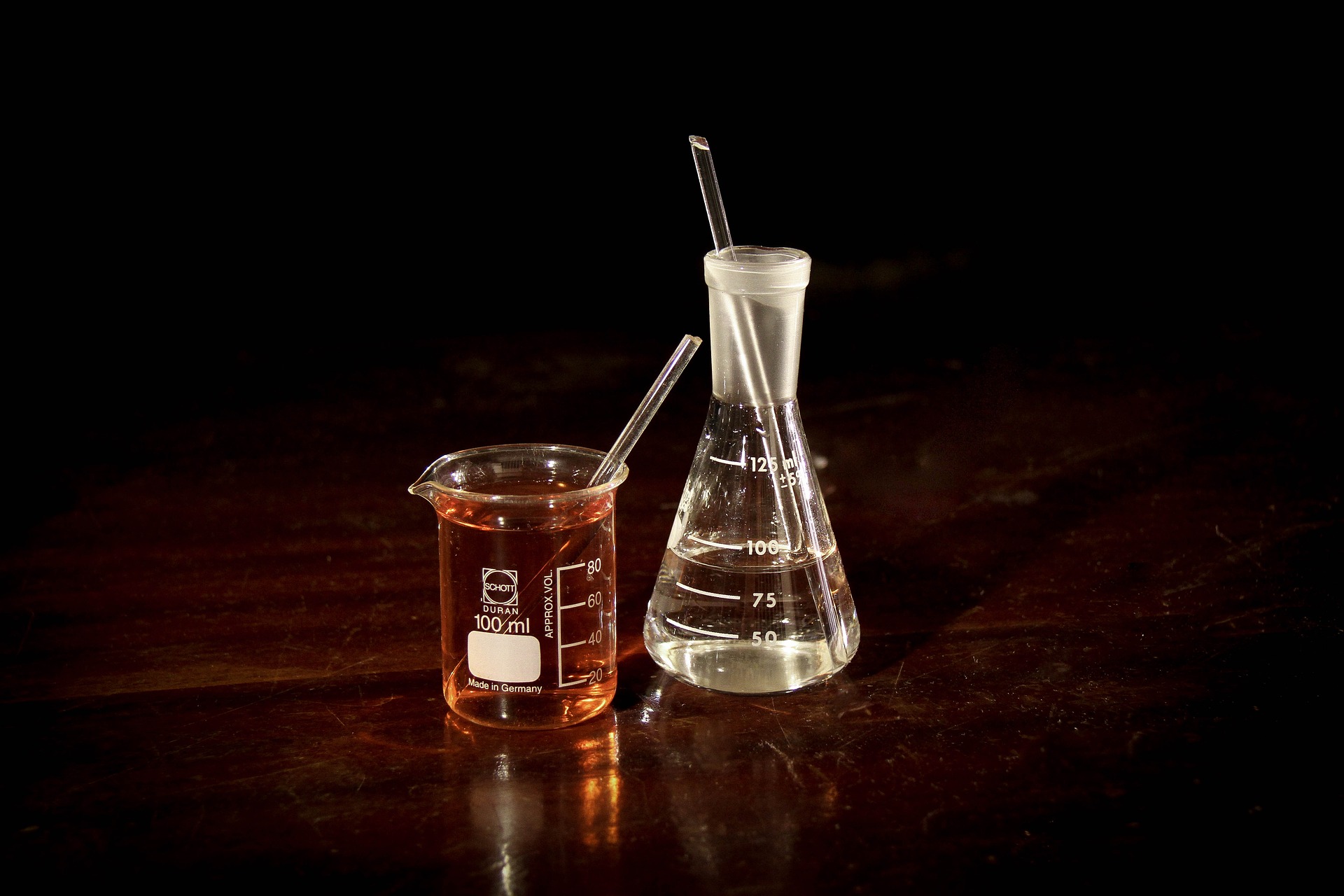
Synthetic narcotics are made up of various chemicals.
Drugs on the synthetic narcotics list are also known as designer drugs. They hold similar chemical structures to the nature-based varieties, which enables them to produce similar effects when ingested. Much like their predecessors, drugs on the synthetic narcotics list affect central nervous system (CNS) functions by either speeding them up or slowing them down.
Many synthetic narcotics mimic the form of everyday items, such as bath salts, incense, and even jewelry cleaner. The chemical composition of these products can create the types of CNS psychoactive effects that recreational drug users seek. Unfortunately, other chemical ingredients can cause dangerous health effects, some of which include:
- Rapid heart rate
- Hallucinations
- Agitation
- Vomiting
When used on a long-term basis, a person not only places themselves at risk of addiction but also ingests any number of other chemical ingredients. As synthetic drug use is a fairly new phenomenon, long-term health effects from ingesting other chemical ingredients are still unknown.
Synthetic Cannabinoids
Amazingly, synthetic cannabinoids are commonly designed to look like everyday items, including spices, herbal incense and air fresheners. While these products pose a danger for anyone who ingests them recreationally, teenagers are especially at risk. Any of these products can be purchased on the internet as well as from many gas stations and smoke shops.
Synthetic cannabinoids’ effects on the brain mimic the active THC ingredient found in marijuana. Likewise, these designer drugs act as CNS depressants just as marijuana does. With long-term use, synthetic cannabinoids can lead to physical dependency and addiction.
Synthetic Stimulants

Are Stimulants Narcotics?
The term “narcotics” is often used to describe all illicit drugs, however this is not accurate. Narcotics are opiate-based drugs such as prescription painkillers and heroin. Stimulants are a completely different drug class.
Synthetic stimulants on the synthetic narcotics list affect central nervous system functions in the same way as drugs like cocaine and amphetamines do. These drugs speed up chemical interactions in the brain and throughout the body, gradually impairing the body’s chemical processes.
If you or someone you know is addicted to synthetic narcotics, help is available. Call 800-934-1582(Sponsored) to learn more about synthetic narcotics, or to find an addiction treatment program near you.
the Take-Away