 800-861-9372

Kentucky recorded 1,110 drug overdose deaths in 2025, a 22.9 percent decrease from the previous year and the lowest annual total in the state since 2014. For people living with opioid addiction and the families around them, the more useful detail sits underneath the headline number, which is what changed in the drug supply and …
Kentucky Overdose Deaths Fell 22.9% to Lowest Level Since 2014
Get Help Now 800-934-1582
 Sponsored
Sponsored
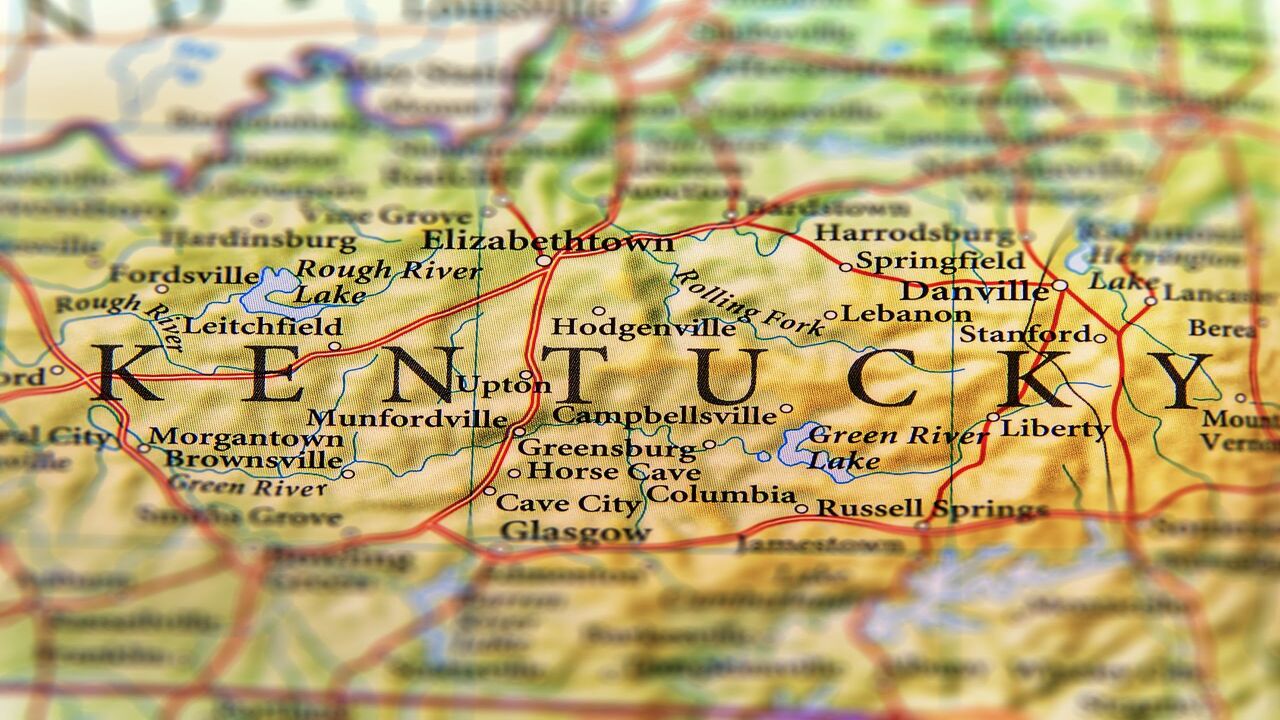
Kentucky recorded 1,110 drug overdose deaths in 2025, a 22.9 percent decrease from the previous year and the lowest annual total in the state since 2014.
For people living with opioid addiction and the families around them, the more useful detail sits underneath the headline number, which is what changed in the drug supply and what the state was doing while it changed.
The figures come from the 2025 Kentucky Drug Overdose Fatality Report, published in April by the Kentucky Office of Drug Control Policy with the Department for Public Health, using death certificate data from the Kentucky Office of Vital Statistics.
Four Consecutive Years of Decline
The 2025 total marks the fourth straight annual decrease in Kentucky overdose deaths and the second largest single-year decline since the state began reporting them in 2012. It represents a 50.8 percent drop from 2021, the deadliest year on record in the commonwealth.
Among Black Kentuckians, 129 deaths in 2025 were attributed to drug overdose, a 25.4 percent decrease from the prior year and the second consecutive annual decline in that group. None of that erases the scale of the loss. More than a thousand people still died in a single year in one state.
What the Drug Supply Data Shows
The substance findings are where this report is most useful for anyone tracking the opioid crisis. Fentanyl was present in 45.4 percent of Kentucky overdose deaths in 2025, down from 62.3 percent in 2024. Methamphetamine was present in 49.5 percent, down slightly from 50.8 percent.
The fentanyl figure is a substantial shift in a single year, and it means methamphetamine was detected in more Kentucky overdose deaths than fentanyl. That pattern matches what surveillance in other states has shown as stimulants take a larger share of overdose mortality.
Understanding Opioids and Overdose Risk
Opioids include prescription medications such as oxycodone, hydrocodone, and morphine, along with heroin and illicitly manufactured fentanyl. They suppress breathing, which is what makes an overdose fatal.
Fentanyl is far more potent by weight than if one uses heroin, and because it is frequently mixed into other substances, a person may not know they have taken it. That risk does not disappear when the fentanyl share of deaths falls, and it extends to people who use stimulants rather than opioids.
What Kentucky Credits for the Change
Gov. Andy Beshear pointed to several efforts, including close to 183,000 doses of naloxone distributed across the state in 2025 and more than 29 million dollars in grant and pass-through funding from the Office of Drug Control Policy.
Van Ingram, executive director of the Office of Drug Control Policy, framed the decline as the result of coordinated work across communities rather than any single program, and directed people currently facing addiction toward help in the state.
Hospitals have been part of that work. Writing separately in the Northern Kentucky Tribune in August, Melanie Landrum, interim chief executive of the Kentucky Hospital Association, described the Kentucky Statewide Opioid Stewardship program and its Emergency Department Bridge Program, which connects patients with opioid use disorder to a peer support specialist before discharge. She reported more than 2,000 peer support contacts so far in 2026 across 17 bridge programs statewide.
For many people with opioid addiction, an emergency department visit is the first realistic opening to start treatment. Leaving with a phone number on a discharge sheet is a different situation than leaving having already spoken with a person in recovery.
Harm Reduction and Treatment Together
Medication treatment and harm reduction are not competing approaches. Buprenorphine, methadone, and naltrexone have the strongest evidence for opioid use disorder and work best alongside counseling and peer support. Naloxone access keeps people alive long enough to reach that care.
Finding Help for Opioid Addiction
If you or someone you know is living with opioid addiction, several paths are open at once. Ask an emergency department or treatment program directly whether they can start medication for opioid use disorder and connect you with a peer support specialist.
Never attempt to withdraw from alcohol or benzodiazepines without medical supervision, since both can be life-threatening.
Narcotics Anonymous meetings are free and open across Kentucky, including in Louisville, Lexington, and Northern Kentucky. Search NA meetings near you for times, formats, and virtual options. Call 800-934-1582(Sponsored) to learn more about your treatment options.
the Take-Away