 800-861-9372

Hydrocodone is a powerful painkiller that is the base of many opiate medications, usch as Vicodin and Lortab. It is often referred to by these brand names as well as by a number of street names.
Other Names for Hydrocodone
Get Help Now 800-934-1582
 Sponsored
Sponsored
Hydrocodone is the most frequently prescribed narcotic analgesic in the United States. It is very effective for treating moderate, severe and chronic pain. For example, pain after surgery or from sporting injuries and even mouth pain from dental work. It is sometimes prescribed to treat coughs and diarrhea that can’t be controlled by over-the-counter medications.
Is Hydrocodone an Opiate?
Yes. Hydrocodone falls into the opiate family of drugs that includes a wide list of prescribed pain relievers. Opiates work by interrupting signals in the brain, decreasing one’s perception of pain. As well, opiates cause a flood of the neurotransmitter dopamine, which is referred to as the “feel-good chemical,” resulting in feelings of euphoria.
Hydrocodone is sometimes combined ( Lortab, Vicodin) with acetaminophen, an over-the-counter pain reliever. For this reason, you should consult your doctor before starting treatment with any other acetaminophen-containing products, including cough and cold medications. Be cautious of taking these over-the-counter medications in addition to your prescribed pain medications, as the maximum daily dose of acetaminophen can be exceeded quickly if taken in multiple forms.
What are Other Names for Hydrocodone?
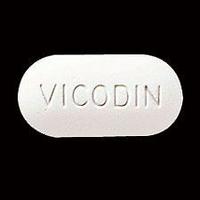
Vicodin is a brand name for hydrocodone.
Hydrocodone is the generic name for the opiate in the brand-name combination medications -Lortab, Lorcet, Norco and Vicodin and is classified as a Schedule III drug.
These drugs are sold under different brand names, although all contain similar ingredients. This prevents one company from “cornering the market” on the sale of the drug and keeps costs down because there is competition to sell the most.
Is Oxycodone the Same as Hydrocodone?
Oxycodone is a semi-synthetic opioid in medications such as Percocet and Roxicet. Although similar to hydrocodone, oxycodone is slightly stronger and holds a Schedule II rating. It is more likely to be prescribed for more serious pain from injuries and chronic pain from serious illnesses.
Physical Effects
Hydrocodone is a pain reliever that can bring about feelings of euphoria. It may also cause nausea and vomiting, constipation, dizziness and drowsiness. According to the AMA Journal of Ethics, tolerance to hydrocodone can be developed in as little as a few days to a couple of weeks with regular use. For this reason, hydrocodone should be used in small doses and for the shortest time possible. As well as under the supervision of a qualified medical provider and only as directed.
the Take-Away

Narcotics.com is user supported. We receive a commission fee from purchases made through BetterHelp links.
Learn More