 800-861-9372

Hallucinogenic drugs provide people with an out-of-body body experience and numerous people end up forming addictions to them. Addiction signs vary, but a few are quite prominent.
Hallucinogens Addiction Signs
Get Help Now 800-934-1582
 Sponsored
Sponsored
Hallucinogenic Drugs
Hallucinogenic drugs have been around for centuries. They’re most commonly found in plants and in natural environments. Hallucinogens typically cause people to see things that aren’t there; some cultural rituals, such as religious ceremonies to conjure mystical or spiritual elements not normally visible by the naked eye.
However, hallucinogens can make a person to act in ways that are dangerous to others around them, often because those under the influence aren’t fully cognizant of their actions.
According to the National Institute on Drug Abuse, there are four commonly abused hallucinogens that people use. These hallucinogens are:
LSD (d-lysergic acid diethylamide)

LSD is the most commonly known hallucinogen and a powerful mood changer made from the fungus called ergot that grows on grains, such as rye.
PCP (phencyclidine)
PCP was developed in the 1950s as an anesthetic in the medical field. Due to the intensity of the drug’s hallucinogenic effects on people, it was discontinued in the medical field but is still being made and distributed illegally.
Peyote
Peyote is mostly known for its role in spiritual and religious ceremonies. Peyote is a tiny cactus that produces an alkaloid called mescaline that causes hallucinations when a person ingests the substance.
Psilocybin (4-phosphoryloxy-N,N-dimethyltryptamine)
Psilocybin is also known as mushrooms because the hallucinogen is a natural by-product of mushroom plants. Many of these species are native to Mexico, the United States and throughout South America.
Hallucinogens Addiction Signs
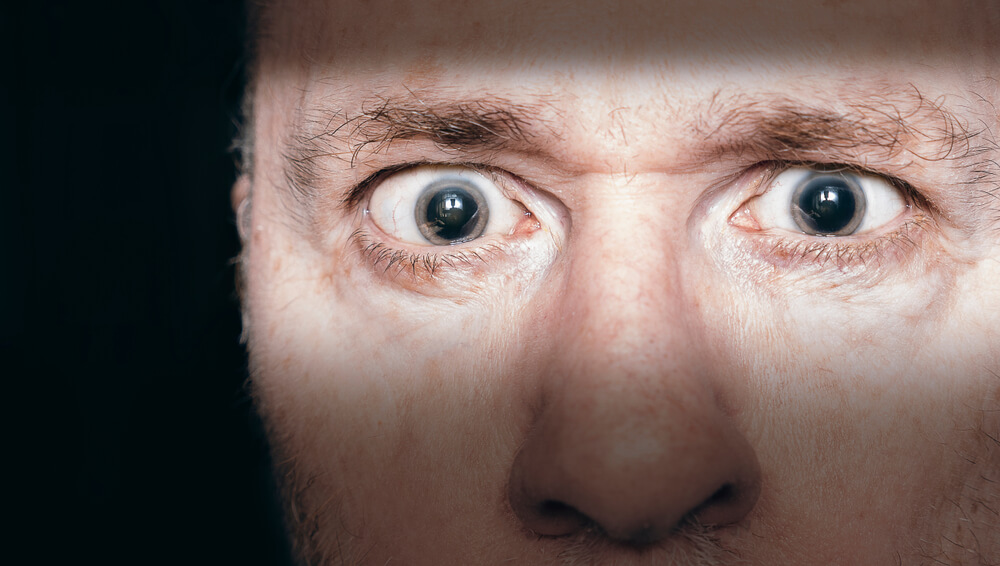
Hallucinogenic drugs affect a person’s brain by breaking down the thought process so that the user’s mind starts to “wander,” rather than think coherently. As a result, users might start to see and feel things that aren’t real. These visions and sensory experiences can last for many hours. During this time, the drug impacts them in the following ways:
- Their pupils dilate.
- Their blood pressure rise.
- They may fall down a lot.
- Their vision may become blurry.
- They see and feel things that aren’t real.
- They can become highly violent.
- They may become suicidal.
- They can have rapid changes in mood.
- Their eyes may roll back in their head frequently.
Some proponents of hallucinogens note that these drugs can bring clarity and help deal with depression or other depressive disorders. However, such treatment should only be taken under careful supervision by trained professionals. For most other people, hallucinogens can become addictive, and the changes in one’s behavior can lead to self-harm and injuries to others.
If you or someone you know takes hallucinogenic drugs, reach out to a specialist or a peer support group today.
the Take-Away