 800-861-9372
Fentanyl overdose deaths in Idaho have surged more than 70% in just three years, and the crisis is no longer confined to the coasts. From Boise to Pocatello, opioid addiction is reshaping families, straining rural communities and outpacing the state’s treatment capacity. The Opioid Crisis by the Numbers in Idaho According to the Idaho Department …
Fentanyl and Opioid Addiction Are Surging Across Idaho
Get Help Now 800-934-1582
 Sponsored
Sponsored
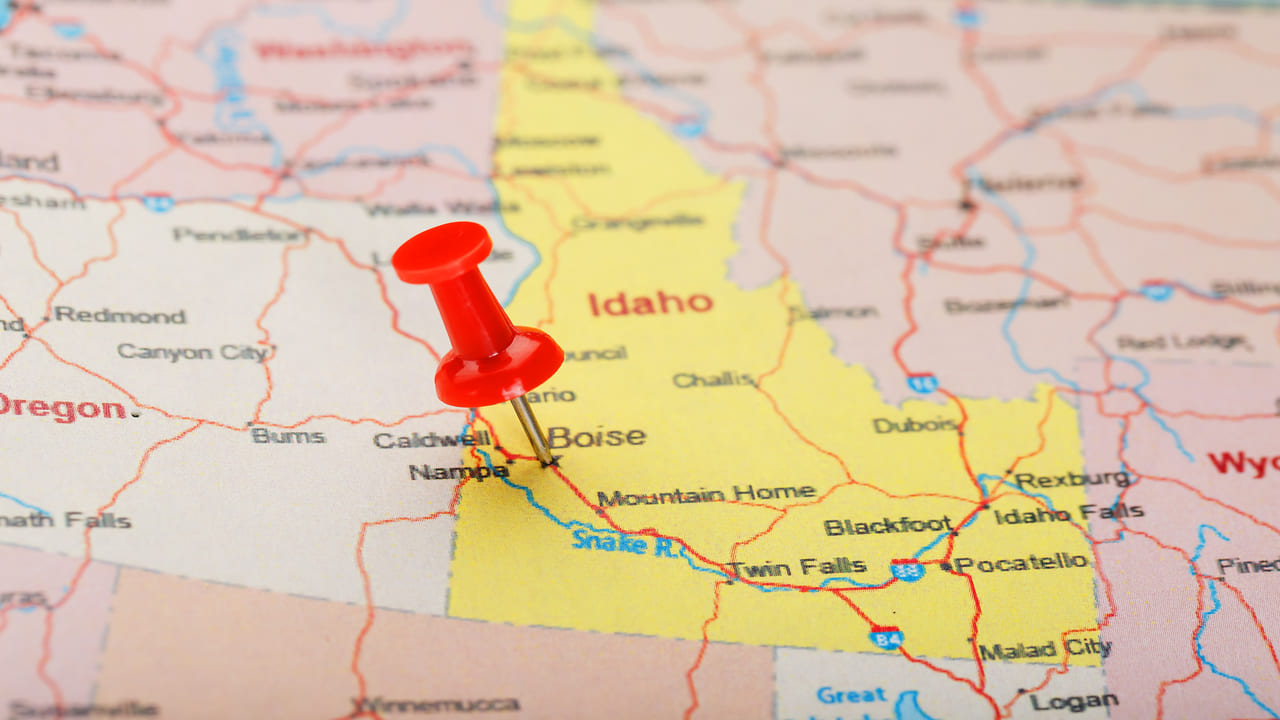
Fentanyl overdose deaths in Idaho have surged more than 70% in just three years, and the crisis is no longer confined to the coasts. From Boise to Pocatello, opioid addiction is reshaping families, straining rural communities and outpacing the state’s treatment capacity.
The Opioid Crisis by the Numbers in Idaho
According to the Idaho Department of Health and Welfare, drug overdose deaths climbed sharply between 2019 and 2022. It’s a period that mirrors the national acceleration of fentanyl’s spread into local drug supplies.
The synthetic opioid, which is 50 to 100 times more potent than morphine, now appears in a significant share of Idaho overdose deaths, often without the person’s knowledge.
Law enforcement agencies across the state have documented counterfeit pills pressed to look like Xanax, Adderall or Percocet, but laced with lethal doses of fentanyl.
The margin for error is almost nonexistent. The difference between a dose that produces a high and one that stops breathing is measured in micrograms.
Fentanyl’s Role in Idaho’s Drug Supply
What makes the current crisis uniquely dangerous is how thoroughly fentanyl has contaminated the broader drug supply. In some cases, it is added to methamphetamine supplies without the user’s knowledge, combination sometimes called a speedball variation.
People who believe they are using stimulants may unknowingly be ingesting one of the most potent opioids ever encountered in street-level drug markets.
This contamination has dramatically complicated treatment. Clinicians report that withdrawal from both meth and fentanyl simultaneously is physically grueling and emotionally destabilizing. Medically supervised detox is not optional in these cases. It is essential.
Why Rural Idaho Faces Greater Opioid Risks
Outside of the Treasure Valley, many Idaho communities are hours away from the nearest addiction treatment facility. That geographic gap is not just inconvenient, it can be fatal. When someone is ready to accept help, distance collapses that window.
Rural shame cultures compound the problem. Seeking help for opioid abuse or narcotic addiction in a small town where everyone knows everyone carries a social cost that urban families rarely face. This silence does not protect anyone.
Idaho consistently ranks among the states with the highest rates of substance use disorder and the lowest rates of treatment access. According to SAMHSA data, most Idahoans who need treatment in a given year do not receive it.
What Opioid Addiction and Withdrawal Actually Involve
Opioids, including fentanyl, heroin and prescription painkillers, work by binding to receptors in the brain and body that regulate pain and reward. With repeated use, the brain reduces its natural production of endorphins and becomes dependent on the drug to function normally.
Withdrawal from opioid addiction produces symptoms ranging from severe physical discomfort to acute psychological distress. Without medical supervision, withdrawal, particularly from fentanyl, carries real risk.
Medication-assisted treatment, including buprenorphine and methadone, is the evidence-based standard of care for opioid use disorder and significantly reduces overdose mortality.
Finding NA Meetings and Opioid Treatment in Idaho
If you or someone you love is struggling with opioid addiction, fentanyl dependence or narcotic abuse, help exists in Idaho. Families do not have to wait for a crisis to deepen before reaching out.
Calling a treatment center to ask questions costs nothing. Understanding options before the situation gets worse is one of the most useful things a family can do. You can also search Narcotics.com’s list of NA meetings for additional support or call 800-934-1582(Sponsored) today.
the Take-Away