 800-861-9372

Marijuana is made up of compounds called cannabinoids. They are classified by the ways in which they influence and interact with the brain.
Cannabinoids List
Get Help Now 800-934-1582
 Sponsored
Sponsored
Despite marijuana’s current classification as a Schedule 1 narcotic, the medicinal and recreational benefits of cannabinoids continue to gain popularity throughout the United States. As of 2026, 24 U.S. States and the District of Columbia have legalized recreational cannabis, with 40 allowing for medical use.
While cannabinoids are commonly associated with recreational use, cannabinoids exist as a group of chemical components that produce a wide range of effects. The cannabinoids list consists of these various chemical components, also known as subclasses. These subclasses account for the drug’s varied effects.
The Cannabis Sativa Plant
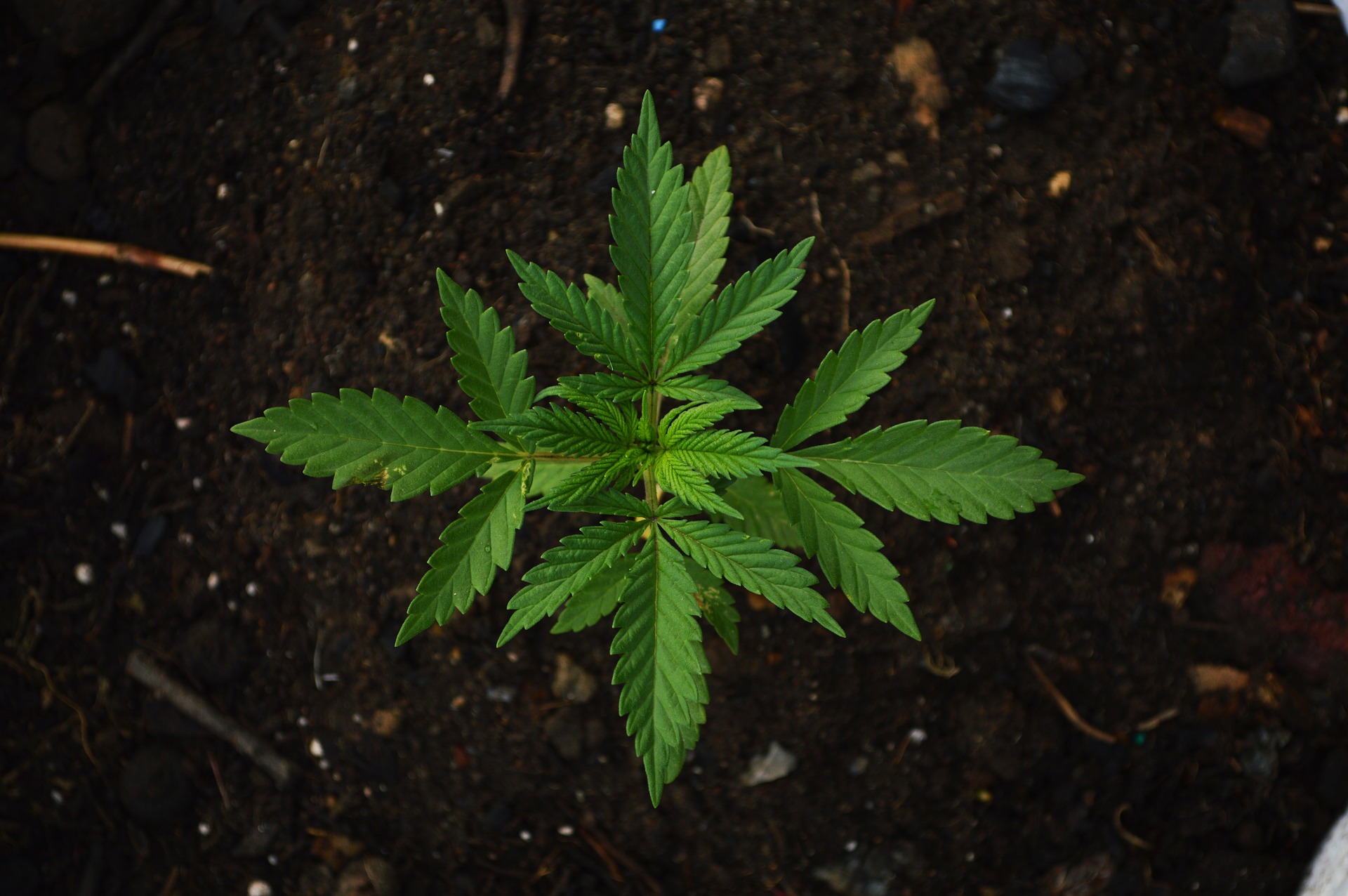
Cannabinoids are found in the cannabis sativa plant, which is one form of marijuana.
According to the National Center for Complementary and Integrative Health, the Cannabis plant contains 540 natural chemical substances, over 100 of which fall in the cannabinoid classification. As one of the over 100 cannabinoids, THC (also known as delta-9-tetrahydrocannabinol) exists as the most commonly known compound due to its ability to produce the “high” effects associated with marijuana use.
When used for medicinal purposes, marijuana’s analgesic effects provide an effective treatment for conditions involving pain and nausea. Its analgesic effects come from the compound known as CBD or cannabidiol.
Cannabinoids reside in the leaves, flowers, stems and seeds of the Cannabis sativa plant. As each dose of marijuana may contain varying levels of different cannabinoid compounds, the drug’s effects can vary from plant to plant. However, when manufactured for treatment purposes, batches contain measured levels of various compounds to produce the desired medicinal effects.
Cannabinoid Subclasses
Each of the more than 100 cannabinoid compounds falls within one of several subclasses. These subclasses include:
- Tetrahydrocannabinols or THCs
- Cannabidiols (CBD/CBDA)
- Cannabigerols (CBC/CBDA)
- Cannabinols (CBN/CBNA)
- Cannabichromenes (CBC/CBNA)
- Tetrahydrocannabivarin (THCV)
- Other classes include Cannabielsoin (CBE), Cannabicyclol (CBL), Cannabicitran (CBT) and Cannabinodiol
Cannabinoids target specific cell receptors in the brain, known as CB1 and CB2. These cell receptors work together to form the endogenous cannabinoid system. This system runs through the brain’s limbic and mesolimbic systems, which regulate a wide range of functions, some of which include:
- Cognition
- Memory
- Psychomotor functions
- Learning
- The pain/pleasure reward system
Each of the cannabinoid subclasses interacts with different areas of the brain. In effect, the two most active compounds – THC and CBD – target different brain chemical systems.
Cannabinoid Differences
More than anything else, cannabinoids differ in their ability to produce psychoactive or mind-altering effects in the brain. Psychoactive effects include euphoria, feelings of calm, as well as any other changes in a person’s psychological state.
Subclasses that produce little to no psychoactive effects include:
- Cannabichromenes or CBCs
- Cannabierols or CBGs
- Cannabidiols or CBDs
Cannabidiols or CBDs make up the largest proportion of almost every “pre-treated” batch of cannabis. CBD compounds are believed to have anti-anxiety as well as analgesic effects, which may reduce THC’s psychoactive effects as well as the overall addictive potential of any one batch.
By far, THC compounds produce the strongest psychoactive effects. THC works by binding to the brain’s cannabinoid receptors, triggering a release of dopamine. Because dopamine is responsible for signaling the prediction of reward and reinforcing behaviors, repeated exposure to THC causes the brain to adapt by reducing receptor sensitivity, fueling the possibility of developing tolerance and addiction.
the Take-Away